


Can Iran Shut Down the Global Internet by Cutting Hormuz Undersea Cables?
The CSR Journal Magazine

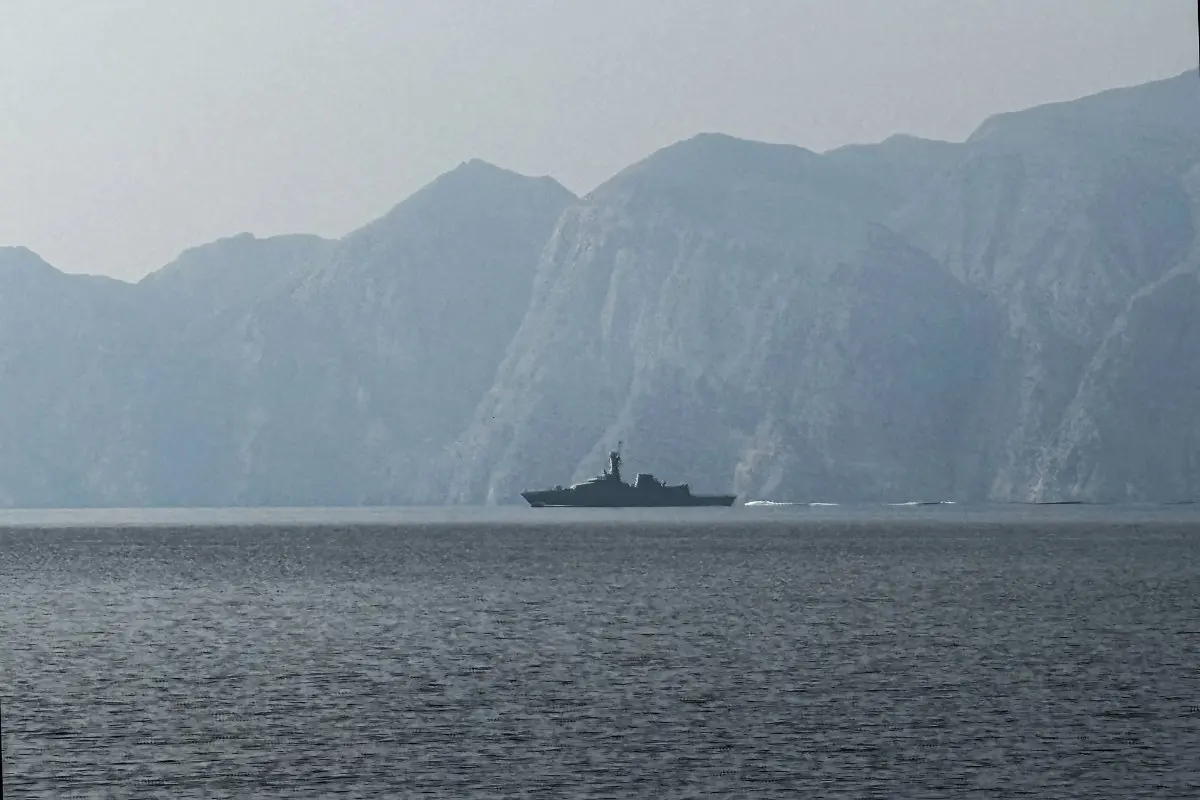
As the conflict between the United States and Israel against Iran continues into its third week, new concerns regarding global internet connectivity have emerged. Iran has reportedly obstructed the Strait of Hormuz, a critical waterway for energy supplies to the world. This escalation raises the question of whether Iran may interrupt internet services next, especially as military actions begin targeting oil installations.

Risks Extend to Additional Maritime Routes

With the Strait of Hormuz facing blockage, experts are wary that the Bab el-Mandeb Strait in the Red Sea could also be affected by actions from Iranian proxy groups, specifically the Houthis. Both of these vital maritime routes are home to essential undersea internet cables, which facilitate global digital communications.

Implementation of Sea Mines Raises Alarm

Iran’s deployment of sea mines across the Strait of Hormuz has led many shipping companies and insurers to suspend routes until safer alternatives are confirmed. Compounding these issues, the Houthi forces in the Red Sea have engaged in hostilities against passing vessels, further increasing the danger in these crucial maritime corridors.

Significance of Subsea Internet Cables

The underwater cables in these regions are lifelines for the digital economy. According to reports, there are seventeen submarine cables traversing the Red Sea that account for a significant portion of internet traffic, connecting Europe with Asia and Africa. The cables active in the Persian Gulf, such as AAE-1, FALCON, Gulf Bridge International Cable System, and Tata-TGN Gulf, play a key role in maintaining India’s international data connections.

Impact on Data Reliance in the Gulf Region

Major technology companies, including Amazon, Microsoft, and Google, have heavily invested in establishing large data centers in Gulf nations like the United Arab Emirates and Saudi Arabia. These initiatives are aimed at positioning the region as a future hub for artificial intelligence. The subsea cables link these data centers to users across Asia and Africa, making their functionality crucial to modern operations.

Challenges in Repairing Damaged Cables

Currently, the ongoing military tensions have made repair operations nearly impossible. Specialized vessels required for fixing undersea cables cannot access the blocked areas safely. Potential accidents—including mine strikes or deliberate interventions—could render the cables inoperative for extended periods. Experts affirm that maintenance ships will refrain from operating in regions experiencing active military conflicts.

Historical Precedents of Internet Disruption

Past events indicate the severity of these potential disruptions. In 2024, Houthi attacks disrupted multiple cables in the Red Sea, leading to significant drops in internet speeds across parts of Asia and Africa. Full repairs were prolonged due to the hesitance of maritime vessels to enter the danger zones. Analysts highlighted that simultaneous closures of both choke points could lead to a global communication crisis.

Ongoing Operational Status and Risks

At present, the internet cables remain operational. However, with the introduction of underwater mines, ongoing attacks, and repair operations hindered, the risk of severe disruption is at an all-time high. The shallow waters of the Strait of Hormuz—approximately 200 feet at its narrowest—could exacerbate any efforts to cut or damage the crucial cables. While there is no definitive indication that Iran will target these infrastructures, the possibility remains a concern for economies reliant on them.

Long or Short, get news the way you like. No ads. No redirections. Download Newspin and Stay Alert, The CSR Journal Mobile app, for fast, crisp, clean updates!

App Store –  https://apps.apple.com/in/app/newspin/id6746449540 

Google Play Store – https://play.google.com/store/apps/details?id=com.inventifweb.newspin&pcampaignid=web_share

Latest News

Popular Videos
