



The threat of deadly diseases means constant fear for one’s life. Among the deadly diseases that constantly worry us in our current lifestyle, cancer is one of the most prominent. According to the World Health Organization (WHO), the number of cancer cases is increasing every day in countries like India. Experts believe that uncontrolled eating habits and various harmful aspects of modern lifestyles also push us towards such deadly diseases. Therefore, it is necessary to bring control to our lifestyle and stay away from harmful habits, and also to include certain foods in our daily diet that not only boost the body’s immunity but also play a special role in preventing cancer.
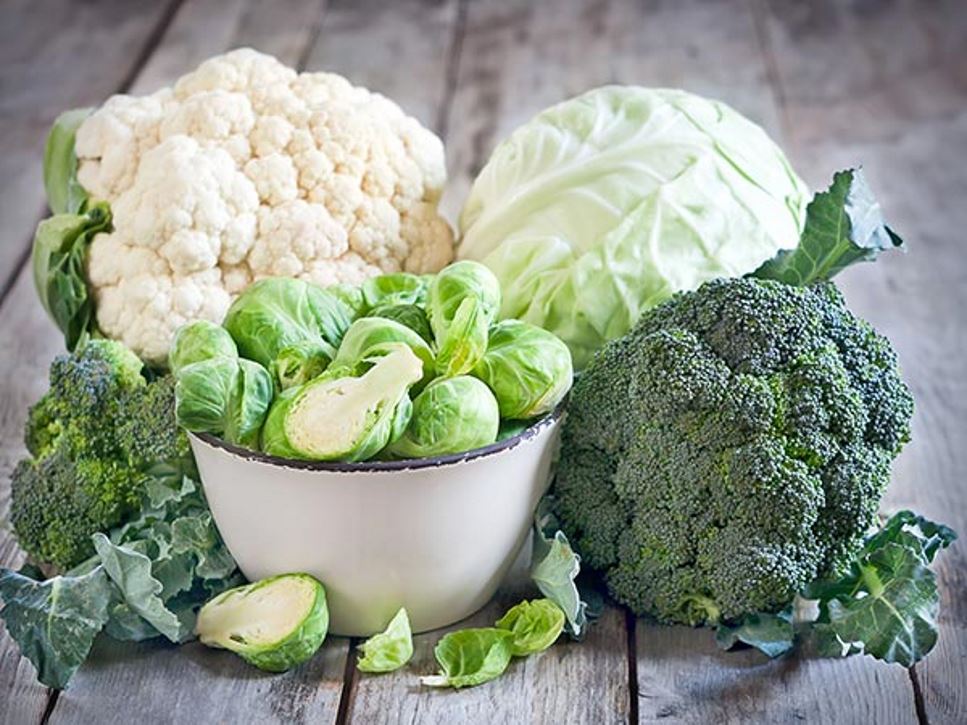
Instead of fried and oily foods, add some nutritious ingredients to your diet that will greatly help you prevent these deadly diseases. According to health experts, vegetables like Broccoli, Cabbage, and Cauliflower can prevent cancer. Cabbage, cauliflower, and broccoli are closely related, nutrient-dense vegetables belonging to the Brassicaceae family (specifically the species Brassica oleracea). These vegetables contain a natural compound called sulforaphane, which has anti-cancer properties. This compound especially helps reduce the risk of breast and colon cancer. Therefore, these three vegetables can be included in the daily diet.
How Broccoli prevents cancer?
Broccoli may help prevent cancer primarily due to a natural plant compound called sulforaphane. When raw or lightly cooked broccoli is chewed or chopped, an enzyme called myrosinase converts a precursor compound (glucoraphanin) into active sulforaphane, which then works through several biological mechanisms.
Sulforaphane boosts the body’s natural detoxification systems by activating Phase 2 enzymes that help neutralize and clear out harmful, cancer-causing chemicals before they can damage DNA. Sulforaphane acts as a potent antioxidant, protecting cells from damage caused by unstable molecules called free radicals, which are linked to inflammation and cancer development. It can promote the self-destruction of abnormal or cancerous cells, a process called apoptosis, while leaving healthy cells unharmed.
Sulforaphane can stop the uncontrolled growth and division of cancer cells, thereby slowing tumor growth and potentially preventing metastasis (spread to other body parts). It may help “switch on” tumor suppressor genes and “switch off” overactive genes that contribute to cancer, by altering gene expression. Some evidence suggests that compounds in broccoli can block the formation of new blood vessels that tumors need to grow and thrive.
How Cabbage prevents cancer?
Cabbage helps prevent cancer through the action of beneficial plant compounds, primarily sulforaphane and indole-3-carbinol (I3C), which are produced when the vegetable is chopped or chewed. These compounds work through multiple mechanisms to protect cells and inhibit tumour growth.
The breakdown products of the glucosinolate compounds, such as isothiocyanates and indoles, help modulate enzyme activities that detoxify harmful carcinogens in the body. These compounds help shield cells from damage to their DNA, which is a key step in cancer development.
In laboratory settings, sulforaphane and I3C have been shown to trigger programmed cell death in various cancer cell lines (including colon, prostate, and breast cancer cells) without harming healthy cells.
Chronic inflammation is linked to an increased risk of cancer. Cabbage contains antioxidants and anti-inflammatory compounds, which help ease swelling in tissues and lower this risk. The compounds can slow the growth of cancer cells, inhibit the formation of blood vessels that feed tumours (angiogenesis), and stop cancer cells from migrating to other parts of the body (metastasis). They can influence genes and proteins involved in cell survival and proliferation, effectively halting the uncontrolled division of cancer cells.
How Cauliflower prevents cancer?
Cauliflower, a member of the cruciferous vegetable family, is thought to help prevent cancer due to the presence of specific sulfur-containing compounds like sulforaphane and indole-3-carbinol (I3C). These compounds are released when the vegetable is chopped or chewed and act on the body in several key ways.
The active compounds help increase the liver’s ability to neutralize and eliminate potentially toxic substances (carcinogens) from the body before they can cause cell damage. Sulforaphane and I3C help protect cells from DNA damage caused by harmful free radicals and inflammation, both of which are linked to cancer development.
Laboratory studies show that these compounds can slow the growth of cancer cells and may help prevent tumors from forming. They can trigger apoptosis, the process by which the body forces abnormal or damaged cells to self-destruct, preventing them from proliferating.
The antioxidants and other phytochemicals in cauliflower have anti-inflammatory properties, which help reduce chronic inflammation, a risk factor for cancer.
Long or Short, get news the way you like. No ads. No redirections. Download Newspin and Stay Alert, The CSR Journal Mobile app, for fast, crisp, clean updates!
App Store – https://apps.apple.com/in/app/newspin/id6746449540
Google Play Store – https://play.google.com/store/apps/details?id=com.inventifweb.newspin&pcampaignid=web_share