
It’s not always possible to buy a new smartphone. In such situations, many people opt for second-hand or pre-owned phones. Whether online or offline, there’s always an opportunity to buy a ‘flagship phone’ at a low price. But while buying a cheap smartphone might make your wallet happy, failing to be properly cautious could lead to legal complications.
Therefore, it’s crucial to check the phone’s legal status first. In India, every mobile phone has a unique IMEI number. This number can reveal whether the phone is stolen. If the phone is indeed stolen, the police might come knocking on your door.
The IMEI uniquely identifies an individual mobile device. The IMEI is unique to every Mobile Equipment [“ME”] and thereby provides a means for controlling access to GSM networks based on ME Model or individual units. The IMEI consists of a number of fields totaling 15 digits having digits from 0 to 9. The first eight digits are called Type Approval Code (TAC).
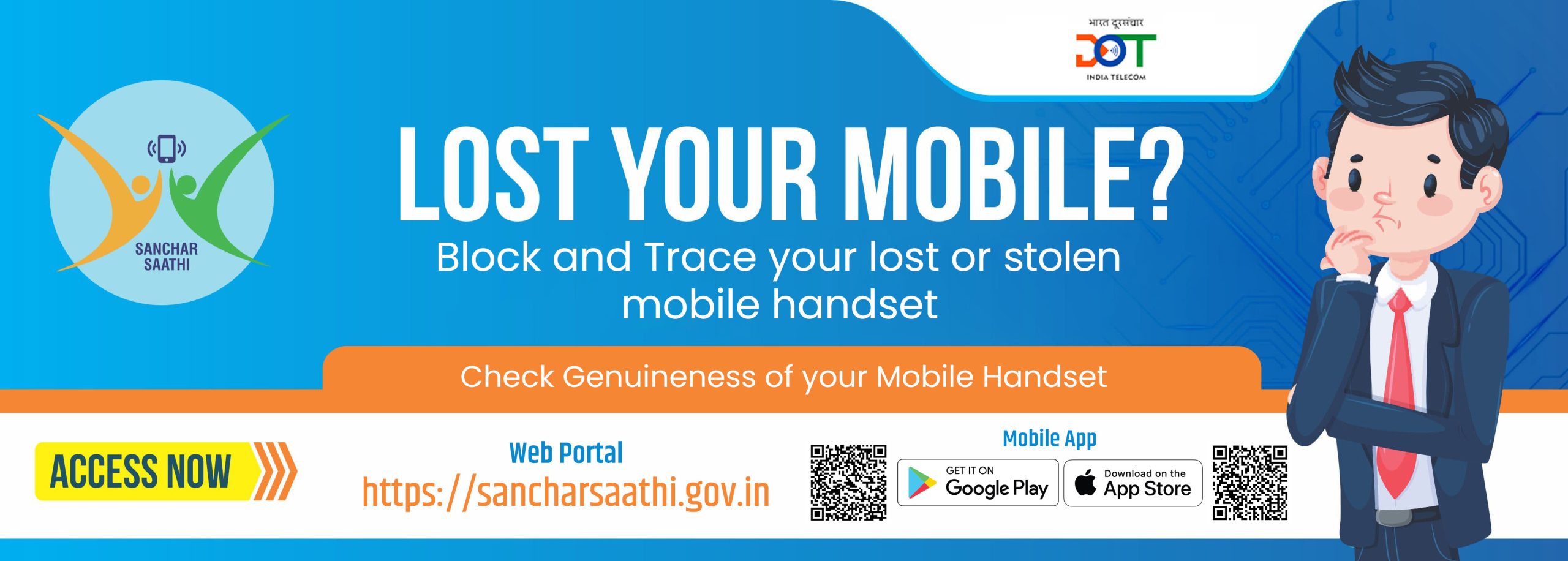
According to government and telecom regulator guidelines, the network of a phone with a stolen or blacklisted IMEI can be blocked! So, first and foremost, verify the IMEI number through the CEIR portal. If you find any irregularities, abandon your plan to buy the phone immediately.
In addition, be sure to check the phone’s physical condition. Look for minor scratches on the screen or any other problems. Check the buttons. Carefully examine the camera lens, speaker grille, etc. Otherwise, the joy of getting a cheap phone will quickly turn into disappointment.
Check your second-hand smartphone’s battery health
Also, check the battery health. Does the phone heat up quickly, or does the charge drain rapidly? This phone’s battery will cause you trouble! Some phones have a built-in way to check battery health. Otherwise, you can check it through a service center or a third-party app. Also, keep one more thing in mind: don’t get overly excited just because you’re getting a phone at a very low price. The deal might be completely fraudulent. So, be careful! Prioritize your brain over your heart, at least when buying a smartphone.
What is Govt of India’s CEIR portal? How does it help smartphone users?