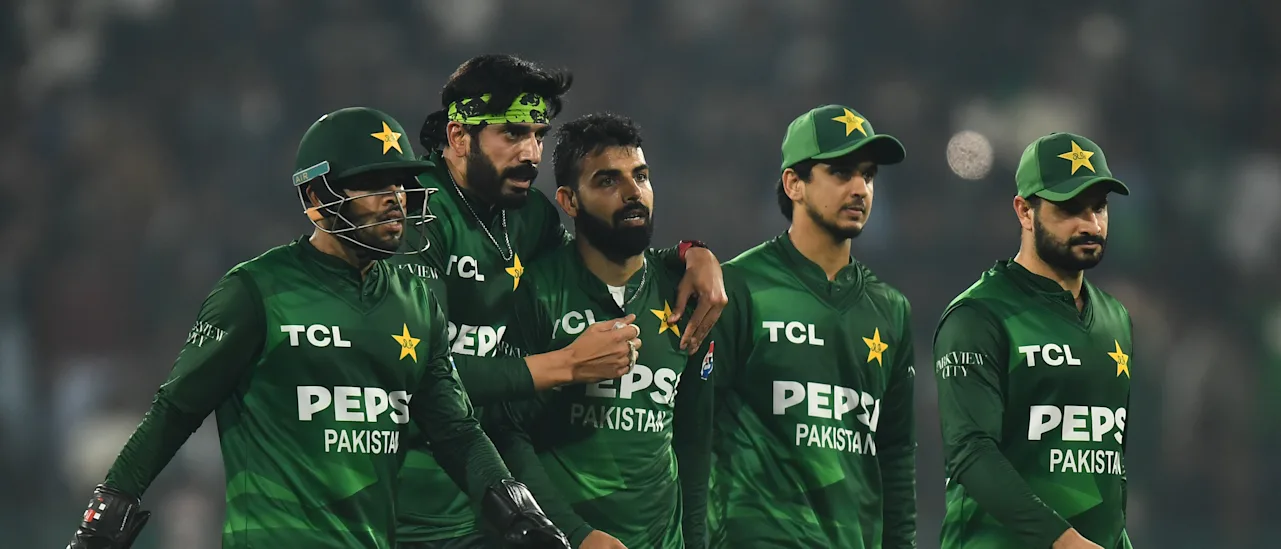
A group of broadcasters is reportedly exploring legal options against the Pakistan Cricket Board (PCB) following Pakistan’s decision to abstain from playing a scheduled T20 World Cup match in Colombo on 15 February. The Pakistan team did not participate in the match, citing instructions from their government. However, no official explanation has been communicated to the International Cricket Council (ICC) by the PCB regarding the reasons behind the boycott.
The absence of a formal justification for the withdrawal has led to concerns among stakeholders responsible for delivering the tournament across various platforms. Broadcasters are said to be assessing the impact of the no-show on their contractual obligations and advertising revenues, which were significantly affected due to the last-minute change.
Broadcasters Affected by Abrupt Withdrawal
The match in Colombo was part of the official T20 World Cup fixture list and had garnered considerable interest from viewers and advertisers alike. Broadcast partners had allocated substantial resources in anticipation of the game, including production crews, on-ground teams, and live coverage arrangements. The unexpected boycott has resulted in financial consequences for the companies involved in the dissemination of the event.
Sources from the broadcast industry suggest that legal consultations are underway to determine whether the PCB can be held accountable for the disruption. The primary concern among broadcasters is the lack of transparency and timely communication regarding the team’s decision, which prevented contingency planning and risk mitigation.
PCB Yet to Clarify Stand to ICC
While the PCB has acknowledged that the decision was taken under government directives, no detailed explanation has been lodged with the ICC as of now. Tournament regulations typically require participating teams to notify the governing body in advance regarding any inability to fulfil match obligations, along with valid reasons. In the current case, the absence of an official stance has further complicated matters for broadcasters and organisers alike.
The ICC is expected to review the situation and determine whether the incident warrants any procedural or disciplinary actions. However, any ICC decision is likely to be made only after receiving a formal statement from the PCB.
Legal Ramifications Being Considered
With significant revenue losses at stake, broadcasters are examining the terms of their agreements with the organisers to establish whether the PCB’s decision constitutes a breach that entails compensation. Lawyers representing various broadcasting entities are reviewing clauses pertaining to game fulfilment, force majeure, and liability for schedule disruption.
Legal experts caution that the path forward depends largely on the contractual language and whether political directives can be cited as justifiable grounds for non-participation under existing terms. Proceedings, if initiated, may extend beyond the scope of sports arbitration and enter the civil courts.
Broader Implications for Tournament Logistics
The incident has drawn attention to the challenges of hosting multinational sporting events amid political sensitivities. Organisers face increasing pressure to establish clearer protocols for match cancellations or boycotts influenced by external factors. The disruption has raised concerns among sponsors and broadcast rights holders over the stability and dependability of international fixtures in politically sensitive regions.
As broadcasters continue to assess their options, further developments are expected depending on the eventual response from the PCB and any direction received from the ICC regarding the next steps.