For years, speed has been the biggest selling point of India’s quick-commerce boom. Now, that promise is being quietly rewritten.
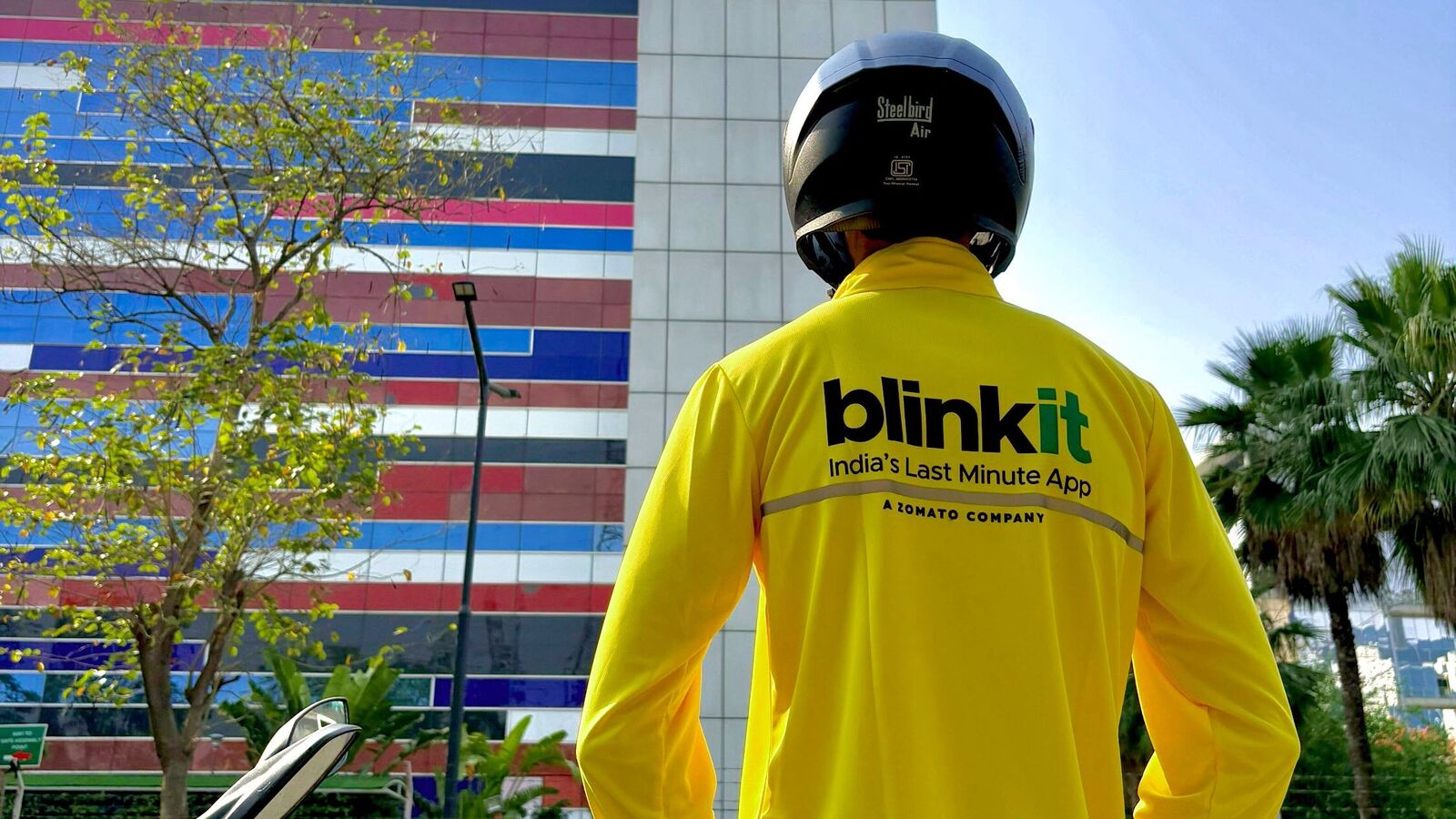
Blinkit is preparing to remove “10-minute delivery” references from its branding and public communication, following conversations between the central government and major delivery platforms over the safety of gig workers, sources familiar with the matter told India Today.
The change comes after weeks of unrest among delivery workers and growing political pressure to rethink whether ultra-fast delivery timelines create unsafe conditions on the road.
How the Government Entered the Picture
The issue gained urgency after delivery worker unions staged protests across the country in late December, including strike calls on December 25 and December 31. Workers flagged falling earnings, lack of social security, and what they described as relentless pressure caused by time-based delivery targets.
Following the protests, Union Labour Minister Mansukh Mandaviya held meetings with senior representatives of Blinkit, Zepto, Zomato and Swiggy. According to sources, the minister urged companies to remove fixed delivery-time claims from advertisements and promotional material.
The concern raised by the government was not about technology or logistics, but perception that publicly advertised timelines could indirectly push riders to take risks, regardless of how platforms design their systems.
What Will Change — And What Won’t
Sources said Blinkit will phase out “10-minute delivery” mentions across advertisements, campaigns and social media. The shift is focused on branding and messaging, rather than on slowing deliveries themselves.
In line with this, Blinkit has already updated its principal tagline. The earlier line “10,000+ products delivered in 10 minutes” has been replaced with “30,000+ products delivered at your doorstep.”
Other platforms have assured the government they will also remove explicit delivery-time commitments from public-facing communication.
Speed Versus Safety Debate
Quick commerce leaders have previously defended fast deliveries, arguing that short timelines are made possible through nearby dark stores and algorithm-driven planning not by rushing riders.
Zomato CEO Deepinder Goyal, among others, had said delivery partners are insured and not forced to meet timers. However, policymakers appear to be taking a more cautious view, focusing on how such promises translate into real-world pressure on workers.
Political and Parliamentary Attention
The issue has also been raised repeatedly in Parliament. AAP Rajya Sabha MP Raghav Chadha has been one of the most vocal critics of ultra-fast delivery branding, warning that it puts delivery partners at risk.
Welcoming the government’s intervention, Chadha said, “Satyamev Jayate. Together, we have won. I am deeply grateful to the Central Government for its timely, decisive and compassionate intervention in enforcing the removal of the ’10-minute delivery’ branding from quick-commerce platforms. This is a much-needed step because when ’10 minutes’ is printed on a rider’s tshirt/jacket/ bag and a timer runs on the customer’s screen, the pressure is real, constant, and dangerous. This step will help ensure safety of the delivery riders, and everyone who shares our roads,” he said.
He added, “Over the past months, I have spoken to hundreds of delivery partners. Many are overworked, underpaid and risking their life to fulfil an unrealistic promise. I thank every citizen who stood with us – you stood firmly on the side of human life, safety & dignity. And to every gig worker – you’re not alone, we’re all with you,” Chadha added.
Labour Codes Add Context
The branding rethink comes as the Centre moves closer to implementing the four labour codes. The Code on Social Security, 2020 extends benefits to gig and platform workers, and draft rules published this month lay out eligibility conditions for minimum wage, health cover and occupational safety.
The government plans to roll out the full labour code framework from April 1, 2026, placing gig worker protections under sharper scrutiny.
A Quiet Reset for Quick Commerce
While competition in quick commerce remains intense, the removal of hard delivery-time promises marks a noticeable shift in tone. Platforms appear to be recalibrating how they sell speed responding to worker unrest, regulatory signals and public concern.
The conversations between the government and companies are ongoing. For now, the message is clear: speed may still matter, but it can no longer be advertised at the cost of worker safety.