


Assam’s Cachar District Shaken by 4.3 Quake, No Immediate Loss Reported
The CSR Journal Magazine

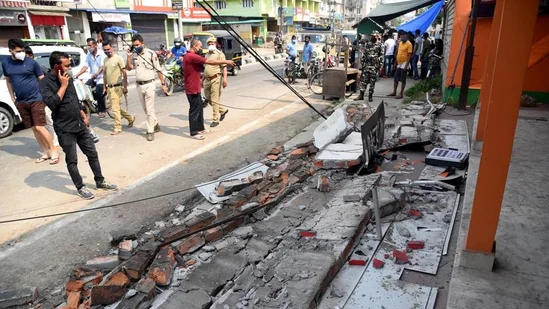
A magnitude 4.3 earthquake was reported in Cachar district, Assam, creating a sense of alarm among residents on April 12, 2026, at approximately 8 am. The National Centre for Seismology (NCS) noted that the epicentre of the tremor occurred near the town of Silchar, which is known for its urban development and bustling economy.

The earthquake’s occurrence was felt widely across various locations in Cachar, with numerous residents describing the shaking sensations. This seismic event follows a pattern of minor earthquakes that have historically affected the region, reminding the local populations of their vulnerability to seismic activities.

The event’s magnitude has been categorised as moderate. Typically, earthquakes of this scale can lead to minor structural damage, although detailed assessments will follow to determine any damage or impact experienced in the locality.

Response from Authorities

Local authorities have been alerted to evaluate any potential repercussions of the earthquake. Disaster management officials have been mobilised to inspect infrastructure and ensure that residents remain informed about safety protocols. They are conducting rounds in key areas and are prepared to assist if needed, considering the historical context of the region’s response to earthquakes.

Moreover, community leaders are urged to maintain open lines of communication with residents, promoting the importance of preparedness. An emphasis is placed on ensuring that citizens are aware of the correct procedures to follow in the event of subsequent tremors.

The Assam State Disaster Management Authority (ASDMA) has reiterated its commitment to keeping the public informed. They recommend residents review emergency plans and ensure that they have supplies ready in case of significant aftershocks. Information dissemination through local media has been prioritised.

Historical Context of Earthquakes in Assam

Assam has a long history of seismic activity, given its geographical positioning in the seismically active region of the Himalayas. Over the years, several major earthquakes have significantly impacted the area, causing widespread damage and loss of life. The memory of past tremors remains fresh, and many locals recognise the importance of preparedness.

In recent times, smaller quakes have been felt less frequently, but events like the one on October 1 serve as reminders of the region’s seismic risks. Experts advocate for continuous monitoring of seismic activities and proper urban planning to enhance resilience against such natural events.

The government and scientific agencies are engaged in efforts to study seismic patterns and educate the public about the risks associated with earthquakes. This awareness is crucial for enhancing community preparedness and reducing vulnerability during future seismic occurrences.

The NCS, along with other seismic research organisations, continues to collaborate in assessing the conditions underlying these seismic activities and providing updates to local populations. They advocate for improved infrastructure to withstand potential damage associated with moderate to severe seismic events.

Long or Short, get news the way you like. No ads. No redirections. Download Newspin and Stay Alert, The CSR Journal Mobile app, for fast, crisp, clean updates!

App Store –  https://apps.apple.com/in/app/newspin/id6746449540 

Google Play Store – https://play.google.com/store/apps/details?id=com.inventifweb.newspin&pcampaignid=web_share

Latest News

Popular Videos
