


Arab and Muslim Ministers Convene in Riyadh as Escalating Conflict with Iran, Provokes Urgent Diplomatic Response

The CSR Journal Magazine

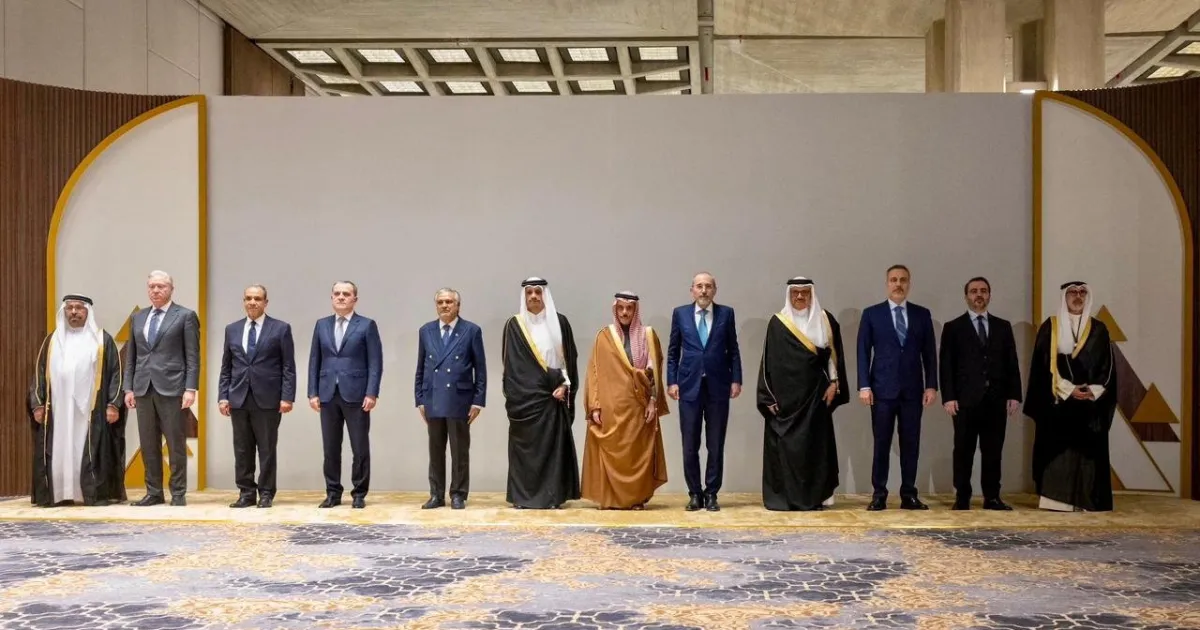
In light of the intensifying conflict involving Iran, the United States, and Israel, a significant diplomatic meeting took place in Riyadh, drawing foreign ministers from over a dozen Arab and Muslim countries. This assembly, marking an important moment in regional diplomacy, aimed to collectively address the implications of the ongoing hostilities, emphasising the necessity for a coordinated response to Iran’s actions and pressing issues of security in West Asia. The discussions culminated in a unified appeal to curb the escalating tensions while asserting national sovereignty.

Attendee Diversity Highlights Shared Regional Concerns

The gathering included representatives from Saudi Arabia, the United Arab Emirates, Qatar, Egypt, Türkiye, Pakistan, and several other nations. The diverse array of participants reflected the rampant concerns over the widespread effects of the conflict, which range from military threats to potential disruptions in energy supplies. The foreign ministers underscored the need for a cohesive stance, given that the war’s ramifications extend beyond military confrontations, posing threats to regional stability and civilian safety, as well as raising fears of widespread displacement due to continued violence.

Joint Statement Condemns Hostilities, Advocates for De-escalation

A joint statement, released following the meeting, included a notable condemnation of Iran’s recent aggressive actions, particularly those targeting crucial infrastructure such as energy facilities and airports. While the language employed was firm, the call for de-escalation overshadowed calls for retaliatory actions. The collective message from the ministers sought to reinforce stability, signifying a shared commitment to avoid exacerbating the conflict’s scope and to maintain dialogue as a primary avenue for resolution.

Balanced Criticism: Addressing Iran’s Role Without Alienation

The Riyadh meeting showcased a reserved yet clear critique of Iran, emphasizing that attacks on infrastructure are unacceptable and must cease to uphold national sovereignty. However, the ministers refrained from severing diplomatic ties with Tehran, highlighting the necessity of keeping communication channels open. This attitude reflects a complex regional reality, where even amidst rising tensions, nations acknowledge that dialogue is crucial for preventing a wider conflict.

Energy Security Underline Urgency of Collective Response

Discussions prominently addressed the threat posed to global energy resources, with growing concerns that assaults on oil and gas installations could lead to severe disruptions in global supply chains and economic instability. The ministers recognized that the situation has broader implications given the Gulf region’s significant role in global energy supply. They reiterated the right to self-defense under international law as a strategic deterrent against further hostilities while stopping short of endorsing offensive measures, underscoring their emphasis on defensive posturing.

Diplomatic Message Advocates for Ongoing Dialogue and Stability

Beyond the immediate focus on military actions, the collective message emerging from the Riyadh meeting stressed the importance of avoiding a prolonged war and the necessity for open dialogue. This aligns with ongoing international efforts to de-escalate the situation and return to negotiations among involved parties. The meeting served as a lens into a broader trend in regional diplomacy, where there is a consistent call for prioritizing communication to mitigate conflict risks.

Context of Heightened Tensions and Future Implications

The timing of the Riyadh meeting coincided with significant tensions in the region, characterized by missile attacks and energy disruptions, which have significant implications for global markets and security. The collaborative effort among various Arab and Muslim countries not only demonstrated a unified regional response but also illustrated the fragility of this unity. Balancing relationships with Iran and negotiating ties with global powers while addressing internal security challenges remain significant tests for regional cohesion.

Long or Short, get news the way you like. No ads. No redirections. Download Newspin and Stay Alert, The CSR Journal Mobile app, for fast, crisp, clean updates!

App Store –  https://apps.apple.com/in/app/newspin/id6746449540 

Google Play Store – https://play.google.com/store/apps/details?id=com.inventifweb.newspin&pcampaignid=web_share

Latest News

Popular Videos