


app-store-logo
play-store-logo
February 24, 2026

Ancient Gold Tomb Discovered in Panama Reveals Insights into Pre-Hispanic Society
The CSR Journal Magazine

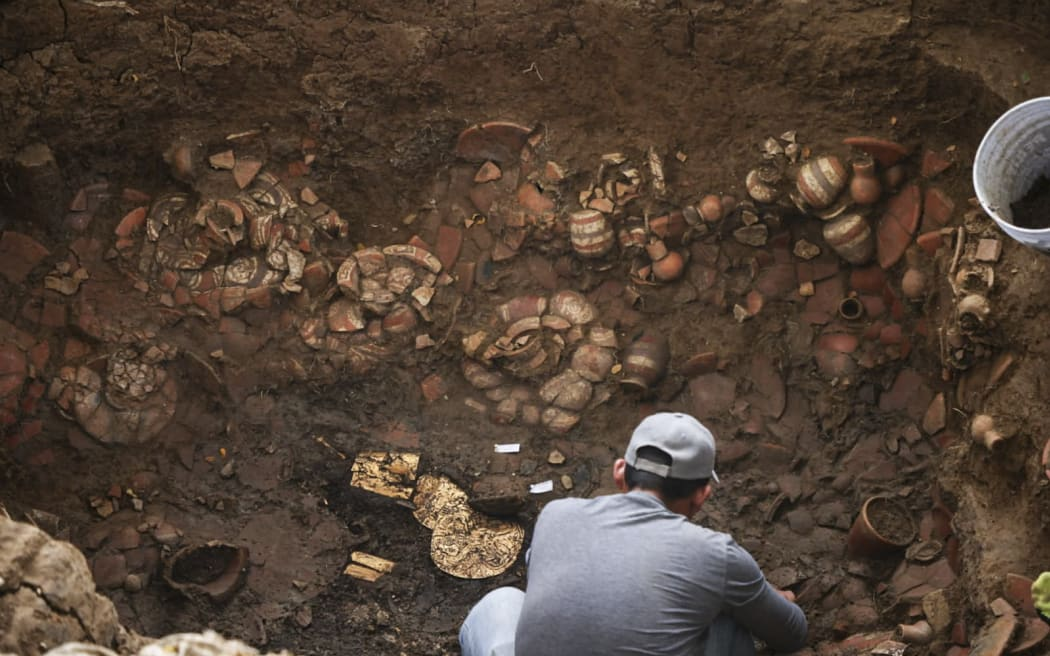
In a remarkable archaeological discovery, researchers in the Natá district of Panama have unearthed a tomb that dates back over a millennium. The 1,000-year-old burial site features human remains along with an array of gold jewelry and ornately designed pottery. Experts assert that the findings could significantly alter existing understandings of social hierarchies and rituals in Central America prior to Spanish colonization. This tomb is part of the El Caño archaeological site, where excavations have been ongoing for the past two decades, revealing burial grounds primarily reserved for individuals of high status.

Timeline and Significant Findings

The tomb has been dated to the period between 800 and 1000 AD. The skeletal remains were found accompanied by an assortment of gold artifacts, including pectorals, bracelets, and earrings. Notably, some jewelry depicts images of bats and crocodiles, which held significant symbolic value in the local cultures. Initial observations suggest that the individual buried with these items likely occupied a position of authority within their community. Alongside the body, pottery adorned with traditional designs was also discovered, suggesting that these objects held deeper meanings related to beliefs surrounding the afterlife or maintained social standings.

Continued Excavation Sheds Light on Cultural Practices

The El Caño site is located approximately 200 kilometers southwest of Panama City, where archaeologists have been actively digging for nearly twenty years. To date, nine similar high-ranking tombs have been located at this significant archaeological site. As excavations progress, researchers continue to uncover new artifacts each season. The tombs offer vital insights into the social structures, trade interactions, and ritual practices of pre-Hispanic societies. The presence of gold artifacts indicates that gold was a material of considerable value, and shared designs across various tombs imply a common cultural and spiritual framework among these ancient communities.

Gold Craftsmanship and Symbolic Significance

The skill required to create gold jewelry in this era, alongside the materials necessary for their production, indicates that access to gold was likely limited to specific individuals. The tomb contained various gold pieces, each embodying artistic craftsmanship along with symbolic meanings. Notably, the motifs of bats and crocodiles found in the jewelry correspond with similar patterns observed in other archaeological sites in the vicinity. These complementary designs could suggest underlying shared myths or religious ideologies that transcended individual communities. Experts propose that such items served as indicators of rank and status during the individual’s life and beyond.

Insights into Pre-Hispanic Beliefs and Rituals

Valuable items interred with the deceased provide important clues about the prevailing beliefs concerning the afterlife in pre-Hispanic cultures. Archaeologists believe that the El Caño site offers an exceptional insight into the cultural practices of Central American societies prior to European contact in 1492. Currently, investigations are ongoing to determine the precise age of the tomb and analyze the composition of the gold artifacts. Detailed results and further findings may take several months to be published in scholarly journals.

Long or Short, get news the way you like. No ads. No redirections. Download Newspin and Stay Alert, The CSR Journal Mobile app, for fast, crisp, clean updates!

App Store –  https://apps.apple.com/in/app/newspin/id6746449540 

Google Play Store – https://play.google.com/store/apps/details?id=com.inventifweb.newspin&pcampaignid=web_share

Latest News

Popular Videos
