


Amid Oil Market Volatility, Russia To Ban Gasoline Exports From April 1
The CSR Journal Magazine

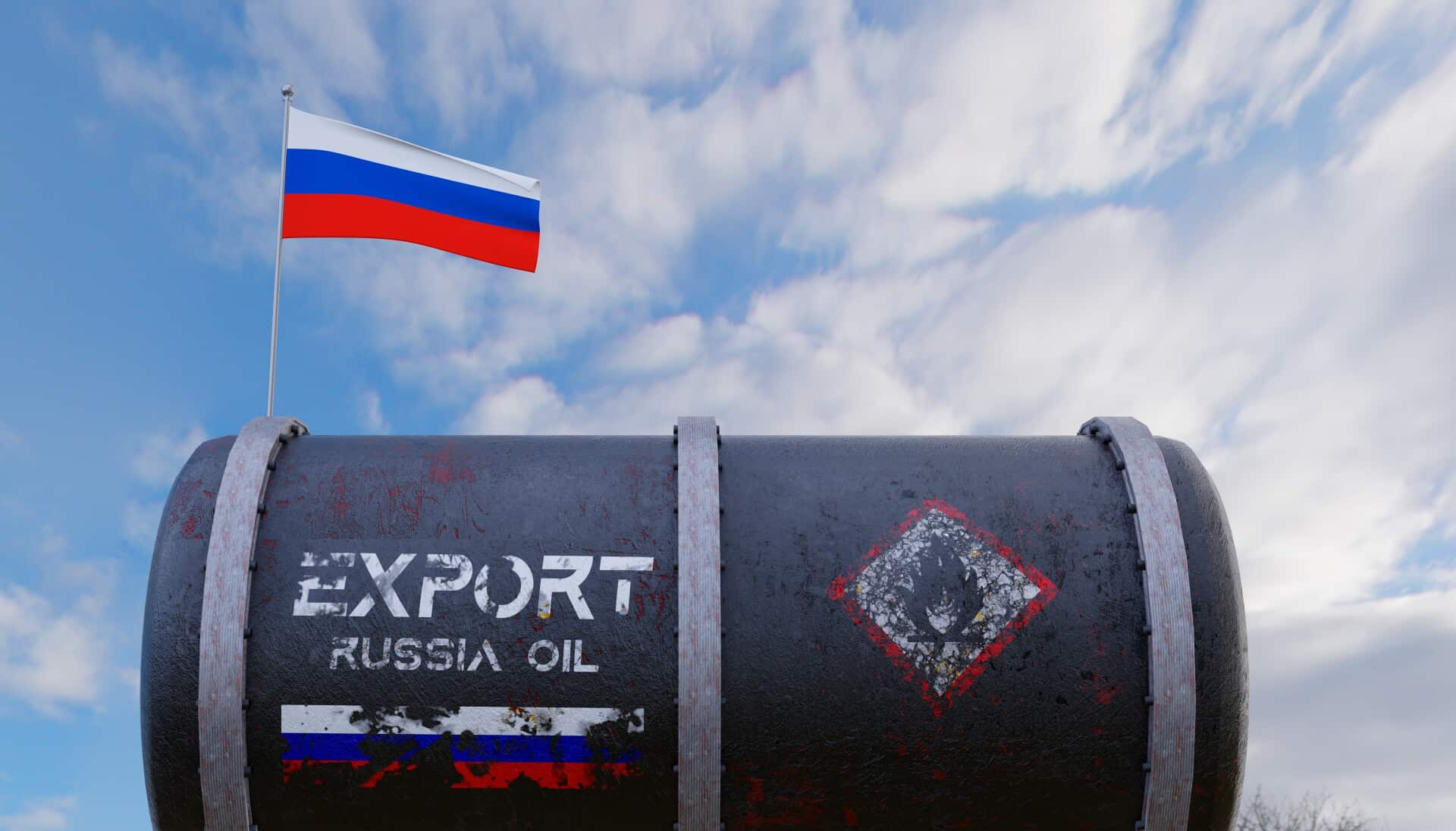
Russia has announced a ban on gasoline exports starting April 1, in a move aimed at stabilising domestic fuel prices and ensuring adequate supply within the country amid ongoing global market disruptions.

The decision, directed by Deputy Prime Minister Alexander Novak, comes as volatility in global oil markets intensifies due to the ongoing conflict in West Asia, which has led to fluctuations in fuel prices and supply chains.

Move Aimed At Protecting Domestic Fuel Supply

According to the Russian government, the primary objective of the export ban is to prioritise domestic consumption and prevent fuel shortages. Authorities have stressed that ensuring stable gasoline availability within Russia remains a top priority.

Officials noted that despite strong international demand for Russian energy, internal supply concerns and price pressures have necessitated the restriction.

The Ministry of Energy has indicated that refinery output remains consistent with previous levels, suggesting that domestic production capacity is sufficient to meet internal demand.

The ban is expected to remain in place until at least July 31, although timelines could be adjusted depending on market conditions.

Global Conflict Driving Market Volatility

The move comes against the backdrop of heightened geopolitical tensions, particularly the ongoing conflict involving Iran, which has disrupted global energy markets and key supply routes such as the Strait of Hormuz.

These disruptions have contributed to rising oil prices and increased uncertainty in fuel markets worldwide, prompting major producers like Russia to take protective measures.

Russia has highlighted that while global demand for its energy exports remains strong, market instability requires a cautious approach to avoid domestic shortages and price spikes.

Previous Fuel Shortages And Export Curbs

This is not the first time Russia has imposed restrictions on fuel exports. Similar measures have been implemented in recent years to control domestic prices and address supply disruptions.

In 2025, several regions in Russia experienced gasoline shortages, partly due to increased attacks on oil refineries and seasonal demand spikes.

Export bans have historically been used by Moscow as a tool to stabilise internal markets, particularly during periods of economic or geopolitical stress.

Russia exported nearly 5 million metric tonnes of gasoline last year, making it a significant player in global fuel markets.

Impact On Global Energy Markets

The export ban could have ripple effects on international fuel markets, especially in regions that rely on Russian gasoline supplies.

With global energy flows already under strain, any reduction in exports from a major producer like Russia is likely to contribute to tighter supply conditions and potential price increases.

Analysts suggest that the move reflects a broader trend of energy-producing nations prioritising domestic stability over exports in times of crisis.

As the situation in West Asia continues to evolve, Russia’s decision underscores the fragile balance between global demand and national energy security, with further policy shifts possible depending on how market conditions develop.

Long or Short, get news the way you like. No ads. No redirections. Download Newspin and Stay Alert, The CSR Journal Mobile app, for fast, crisp, clean updates!

App Store –  https://apps.apple.com/in/app/newspin/id6746449540 

Google Play Store – https://play.google.com/store/apps/details?id=com.inventifweb.newspin&pcampaignid=web_share

Latest News

Popular Videos
