


app-store-logo
play-store-logo
March 12, 2026

Amazon Calls on US Government to Deny SpaceX’s Satellite Deployment Proposal
The CSR Journal Magazine

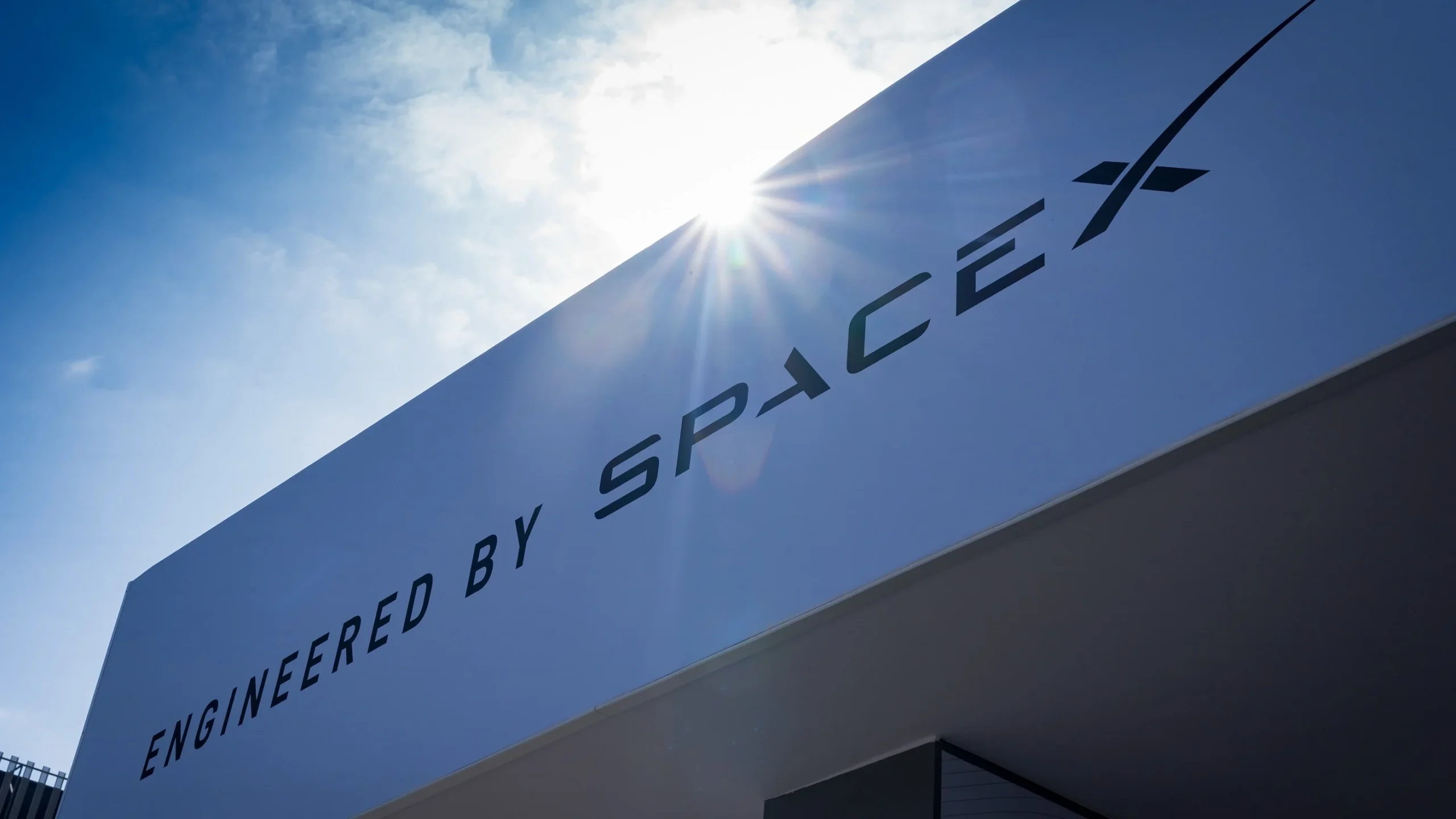
A dispute within the space industry intensified as Amazon has submitted a formal request to the Federal Communications Commission (FCC) urging against SpaceX’s proposal to launch a constellation of up to one million satellites. This initiative is aimed at establishing orbiting data centers. In its filing with the FCC, Amazon cited the scale of SpaceX’s project as unrealistic, asserting that even under the rosiest scenarios, the deployment of such a vast constellation could take “centuries.” The company argued that even if the entire global launch capacity were utilized, the feasibility of the plan remains dubious. Amazon’s submission indicated that deploying the proposed million-satellite network is more of an aspirational vision than a realistic strategy.

Amazon’s Perspective on SpaceX’s Application

Amazon’s comments were made through its satellite division, which is developing the low-Earth orbit system known as Project Kuiper. The filing suggests that SpaceX may be seeking clearance for a larger number of satellites than it realistically plans to deploy, raising questions about the legitimacy of the application. Amazon criticized the proposal, claiming that it represents a speculative ambition rather than a concrete plan that meets the FCC’s regulatory requirements.

FCC Chair Responds to Amazon’s Criticism

The remarks from Amazon were met with a swift rebuttal by FCC Chair Brendan Carr, who defended SpaceX’s launch frequency and dismissed Amazon’s concerns. In an interview, Carr suggested that Amazon focus on improving its own satellite initiatives rather than worrying about competitors that are actively deploying satellites at a significant rate. He expressed skepticism that Amazon’s objections would resonate with the FCC.

Current Status of SpaceX and Amazon’s Projects

SpaceX currently operates the world’s largest satellite network through its Starlink internet service, which consists of approximately 10,000 satellites in low-Earth orbit. This network provides broadband connectivity to over six million users across more than 140 countries, including households, businesses, governments, and military entities. In contrast, Amazon’s Project Kuiper remains in the early stages of deployment, with just over 200 satellites currently in orbit.

Future Implications of SpaceX’s Proposal

SpaceX’s proposed next-generation satellite constellation aims to significantly broaden orbital infrastructure capabilities. According to the company’s filing, the new satellites are designed not only for communication purposes but also to support space-based data centers powered by solar energy, capable of handling artificial intelligence tasks. Industry experts note that it is common for satellite operators to seek regulatory approval for larger constellations than what they ultimately deploy. This trend highlights the growing competition to establish internet connectivity and computing resources in outer space. If authorized, SpaceX’s initiative would represent the most ambitious satellite deployment plan ever proposed, potentially redefining the scope and utility of orbital networks.

Long or Short, get news the way you like. No ads. No redirections. Download Newspin and Stay Alert, The CSR Journal Mobile app, for fast, crisp, clean updates!

App Store –  https://apps.apple.com/in/app/newspin/id6746449540 

Google Play Store – https://play.google.com/store/apps/details?id=com.inventifweb.newspin&pcampaignid=web_share

Latest News

Popular Videos
