


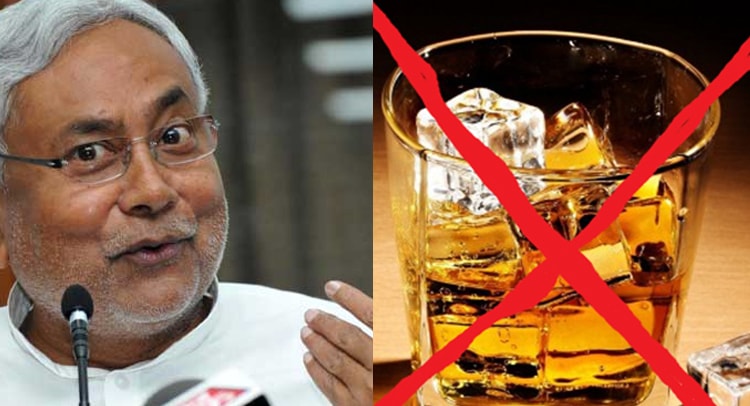

Chief Minister Nitish Kumar’s 2016 alcohol prohibition in Bihar has delivered an unexpected nutritional gain, according to a recent study conducted by IIT Kanpur. An analysis of NSSO Consumer Expenditure Survey data comparing 2011–12 and 2022–23 reveals that households recorded higher consumption of calories, protein, and healthier fats, suggesting that reduced alcohol spending translated into better food choices. The research underlines a shift in household priorities toward nutrition, with stronger improvements seen where the ban’s implementation was more effective.
Total prohibition of alcohol was implemented in Bihar on April 5, 2016, following an announcement by Chief Minister Nitish Kumar to ban all types of liquor, including Indian Made Foreign Liquor (IMFL) and country spirit. The ban was later reinforced by the Bihar Prohibition and Excise Act, 2016, which came into effect on October 2, 2016.
The prohibition on alcohol in Bihar in 2016 has led to higher intake of calories, protein, and healthy fats from nutritious food sources, according to a study by researchers at the Indian Institute of Technology (IIT) Kanpur earlier this month.
The study finds that alcohol prohibition enacted under the Bihar Prohibition and Excise Act, by the Nitish Kumar-led government, significantly increased caloric, protein, and fat intake from healthy food sources such as pulses, dairy products, and nut-based oils. Importantly, the move led to a decline in consumption of packaged and processed foods, which are often complementary to alcohol use.
However, there has been a rising concern because lack of access to alcohol has encouraged other forms of ‘dry’ addiction in the state. Studies indicate that while the ban was intended to help the poor, it pushed some towards cheaper, more dangerous intoxicating substances or illegal “hooch” (spurious liquor) along with other dry forms of addiction.
While the ban improved household savings and reduced alcohol-related violence for many families, it created a parallel illegal market for alcohol, which often led to the use of dangerous alternatives. Reports suggest that the high demand for intoxicants, coupled with the unavailability of legal alcohol, has made marijuana (known locally as “Andhra” or “Manipuri” ganja) easier to procure and often more affordable.
‘Sukha nasha’ with weed and other drugs rising in Bihar?
Reports from de-addiction centres in Bihar have shown a significant increase in patients hooked on drugs, ranging from cannabis and inhalants to sedatives and opioids. A 2017 survey indicated that after the ban, about 25% of cases in de-addiction centres were related to substances other than alcohol, with users switching to readily available, cheaper alternatives like cannabis (ganja), opioids (drugs made from the opium poppy plant), and pharmaceutical drugs.
Latest data from the Narcotics Control Bureau shows a massive jump in the seizure of drugs like cannabis/marijuana and bhang, with one report indicating a 1000% rise in ganja seizures in the year immediately following the ban.
While consumption levels for ganja and charas in Bihar are reported as significantly lower than the national average. However, 2024 data shows substantial seizures, including a large haul of Ganja and 3.9 kg of charas. The state ranks at the bottom for opioid consumption at 0.1% (vs. 0.7% national average) and sedative use at 0.01% (vs. 0.2% national average).
In the first half of 2024, the NCB reported seizing 2.24 kg of Heroin, 1 kg of Methamphetamine, 2 kg of Opium, and 90,000 bottles of Codeine-based Cough Syrup (CBCS) in Bihar.
Rise in alcohol smuggling and ‘Liquor Mafia’ in Bihar
Ever since implementing a total alcohol ban in 2016, Bihar has seen a massive surge in illegal smuggling and the rise of a thriving black market as per news reports. While the policy was designed to improve public health and reduce domestic violence, it has inadvertently turned the state into a hub for illicit trade.
The ban has created a lucrative opportunity for organized crime networks, often referred to as the “liquor mafia,” who supply unregulated and often dangerous spurious liquor (hooch). Smugglers take advantage of Bihar’s geography, transporting alcohol from neighbouring states like Uttar Pradesh, Jharkhand, and West Bengal, as well as across the nearby Nepal border.
Bihar Prohibition and Excise Act, 2016 a ‘draconian’ law: Patna High Court
The Patna High Court recently noted that the ban has encouraged smuggling, suggesting that some officials in police and excise departments benefit from the high-value illegal trade. The Patna High Court has heavily criticised the implementation of the Bihar Prohibition and Excise Act, 2016, describing it as a ‘draconian’ law that has failed to stop the flow of illegal alcohol. The court noted that the ban has empowered police to work with smugglers, creating ‘big money’ for officials, while the poor suffer, and the state’s judicial system is overwhelmed by, with few cases targeting the true kingpins.
Smuggling networks have been known to use juveniles and the poor as ‘carriers’ to transport illegal stock, exposing them to criminal records and exploitation. Neighbouring states have reported a significant increase in excise revenue, indicating that Bihar’s demand is simply being met across the border or through illegal channels.
Apart from the above, the Bihar Prohibition and Excise Act has placed an immense burden on the legal system. Hundreds of thousands of cases are pending, leading to overflowing jails primarily filled with people caught in possession of small quantities. Significant police resources are diverted to raids and border checks, which critics argue reduces the capacity to handle other serious crimes.