


app-store-logo
play-store-logo
February 8, 2026

AI-Generated Content Misleads Tourists to Non-Existent Hot Springs in Tasmania
The CSR Journal Magazine

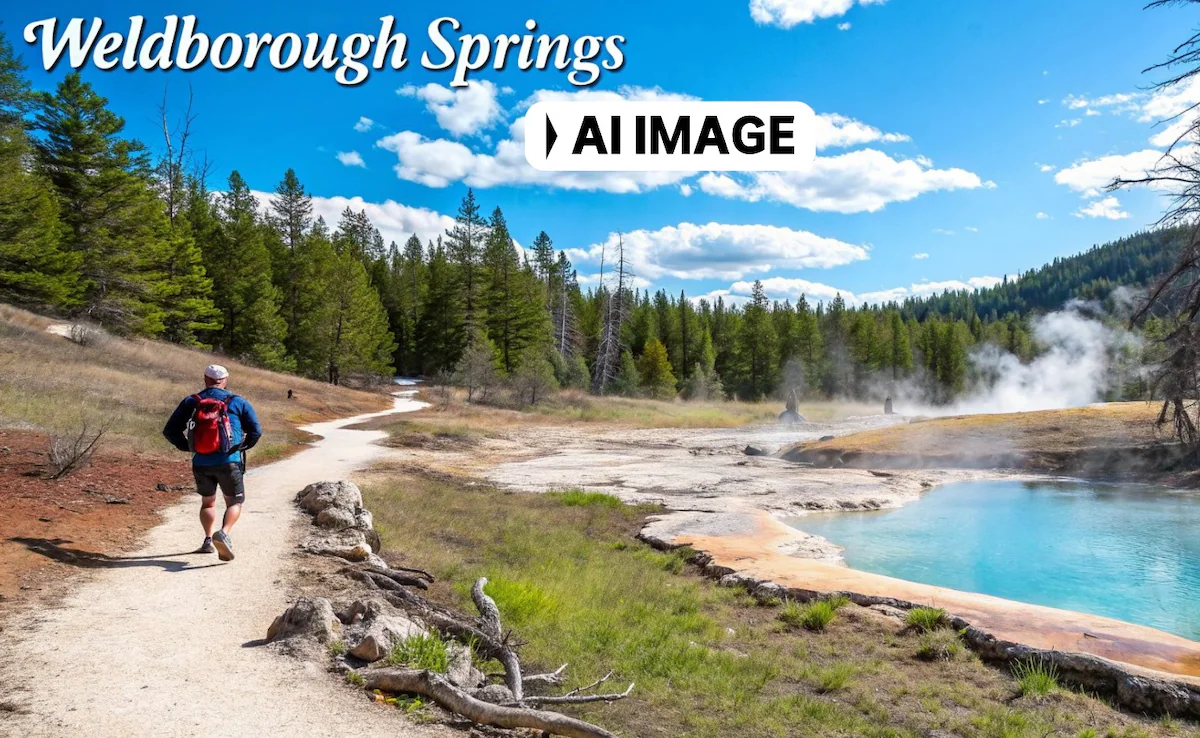
An Australian travel website has come under scrutiny after it published misleading content generated by artificial intelligence, leading tourists to a fictional hot springs destination in Tasmania. The site, Tasmania Tours, has since removed the content and issued warnings following an influx of visitors searching for the non-existent Weldborough Hot Springs.

AI-Generated Hot Spring

The fabricated location first appeared in an article titled “7 Best Hot Springs Tasmania Experiences for 2026,” which described Weldborough as a secluded retreat offering therapeutic mineral pools. This portrayal of the site was completely fictional, yet it was presented as a must-visit attraction.

Weldborough, a small settlement in north-east Tasmania, is primarily known for its local pub and accessibility to natural landscapes, rather than any hot springs. After the article went live in July 2025, numerous tourists began arriving in the area with inquiries about how to access the advertised pools, frequently stopping at the Weldborough Hotel, the town’s most recognizable feature.

Tourist inquiries rise

Kristy Probert, who runs the Weldborough Hotel, reported that tourist inquiries had become a daily occurrence. She recounted an incident where a group of 24 visitors arrived, having traveled from the mainland specifically for the hot springs.

Probert had to inform them that the closest body of water, the Weld River, was “freezing cold” and not a hot spring. In a light-hearted manner, she offered free drinks to anyone who could find the mythical pools, but no one returned with news of their discovery.

Owner acknowledges the error

Scott Hennessy, the owner of Tasmania Tours, acknowledged the error after mounting complaints from visitors and local residents. He stated that the problematic article, along with other AI-generated content, has been taken down. Hennessy explained that the company had outsourced some marketing work to a third party that utilized AI, neglecting to review some posts before they were published. He emphasized that while some content produced by AI may meet expectations, other instances have resulted in significant inaccuracies.

Hennessy reassured the public that Tasmania Tours is a legitimate business, actively selling real travel experiences. He described the company as a couple trying to operate ethically in the industry, and he mentioned that all AI-generated posts would now undergo thorough audits before publication.

The incident in Weldborough reflects a wider trend in the travel industry, where reliance on AI for destination guidance can lead to “AI hallucinations.” These occurrences often involve confident but erroneous information being presented as fact, resulting in tourists being misled about their travel plans. Travel expert Anne Hardy from Destination Southern Tasmania noted that research indicates about 90 percent of AI-generated itineraries contain at least one error.

Furthermore, more than a third of travelers have begun depending on AI for trip planning, which can lead to incorrect opening hours, false descriptions, and even entirely fabricated destinations.

Similar incidents reported

Similar incidents have been reported around the world, such as tourists in Peru who attempted to locate a non-existent canyon and travelers in Malaysia seeking an AI-generated cable car. The situation has not only attracted unwanted attention to Weldborough but has also raised awareness among travelers about the potential pitfalls of relying too heavily on AI-generated travel content.

Long or Short, get news the way you like. No ads. No redirections. Download Newspin and Stay Alert, The CSR Journal Mobile app, for fast, crisp, clean updates!

Latest News

Popular Videos
