


Nigerian Artisans Preserve Handwoven Fabric Amid Rising Global Demand
The CSR Journal Magazine

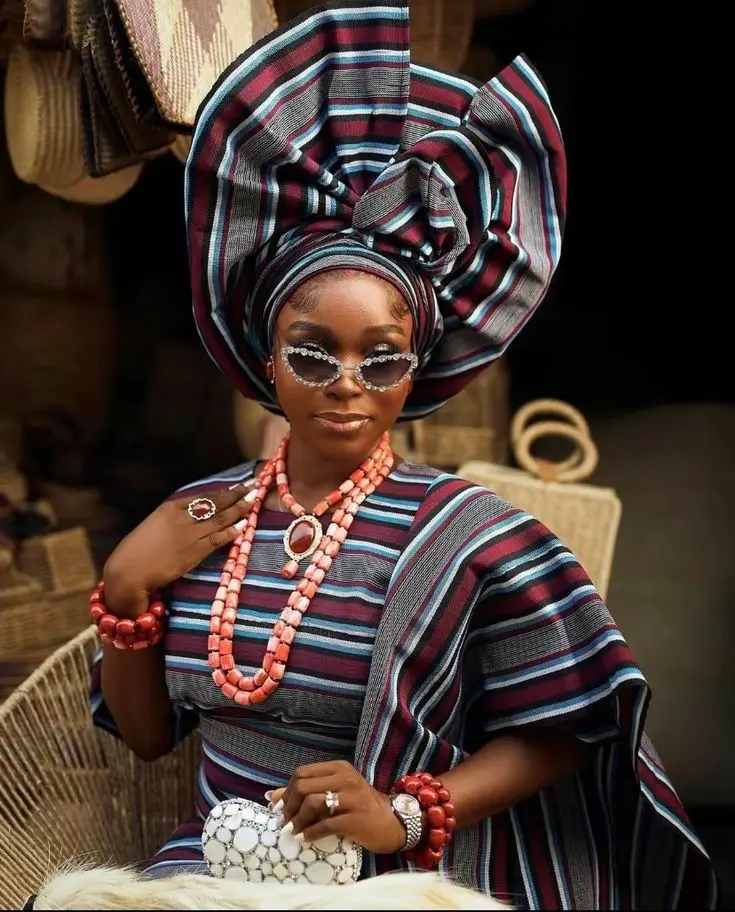
Nigerian artisans are firmly committed to preserving the handwoven fabric known as aso-oke, even as global demand continues to rise. This fabric has become a significant part of international fashion markets, largely due to the influence of the Nigerian diaspora and a growing appreciation for the country’s cultural expressions. In Iseyin, a town located in southwestern Nigeria, artisans craft aso-oke under makeshift conditions that maintain the fabric’s authenticity.

The Impact of Global Popularity on Local Artisans

The burgeoning popularity of aso-oke has created numerous economic opportunities for artisans in Iseyin, which lies approximately 200 kilometres from Lagos, Nigeria’s primary fashion centre. Despite the increasing demand, artisans remain committed to traditional handweaving methods, rejecting mechanisation in favour of preserving the unique qualities of the fabric. The town has become a gathering place for young individuals, including university graduates, eager to learn this time-honoured craft.

Among the artisans is Waliu Fransisco, who shifted from a career as a nightclub singer in Lagos to devote himself to weaving aso-oke. He describes his initial struggles with the physicality of the work but expresses satisfaction with his choice, noting that he now enjoys a stable income from his craft. Fransisco’s experience highlights how the tradition not only serves as a means of livelihood but also enhances the cultural identity of the region.

Aso-oke, which translates to “the cloth from up country,” is a multifaceted fabric known for its rich texture and bright colours. It is commonly used in traditional ceremonies, fashion statements, and casual attire across Nigeria. The fabric’s versatility allows it to be integrated with other materials, enhancing its appeal. Notably, public figures such as Meghan Markle have showcased aso-oke during high-profile events, further elevating its status on a global platform.

Transformation and Tradition in Weaving Techniques

Iseyin’s artisans continue to rely on ancient practices while adapting some modern elements. The traditional methods involve a meticulous process of preparing threads, which includes cleaning, spinning, and dyeing fibres using age-old techniques. However, contemporary weavers have started employing pre-prepared threads from abroad, primarily sourced from China, leading to a broader palette of colours available for use.

Artisans such as Abdulhammed Ajasa, 42, have remarked on the evolution of materials utilised in the weaving process. This innovation enables the creation of intricate patterns and designs that appeal to a wider audience. The enduring sound of the wooden looms signifies a connection to ancestral practices, ensuring that tradition remains a core part of the production process.

Artistic identity is a vital aspect of aso-oke’s creation, with each artisan contributing their unique imprint to the fabric. Kareem Adeola, aged 35, reflects on the legacy of this craft, noting its intergenerational significance. The pride in their work is evident, as artisans continue to reinforce their cultural heritage through the creation of aso-oke, aiming to meet both domestic and international demands.

Long or Short, get news the way you like. No ads. No redirections. Download Newspin and Stay Alert, The CSR Journal Mobile app, for fast, crisp, clean updates!

App Store –  https://apps.apple.com/in/app/newspin/id6746449540 

Google Play Store – https://play.google.com/store/apps/details?id=com.inventifweb.newspin&pcampaignid=web_share

Latest News

Popular Videos
