


Understanding Meal Patterns: Big Meals Versus Small Snacks
The CSR Journal Magazine

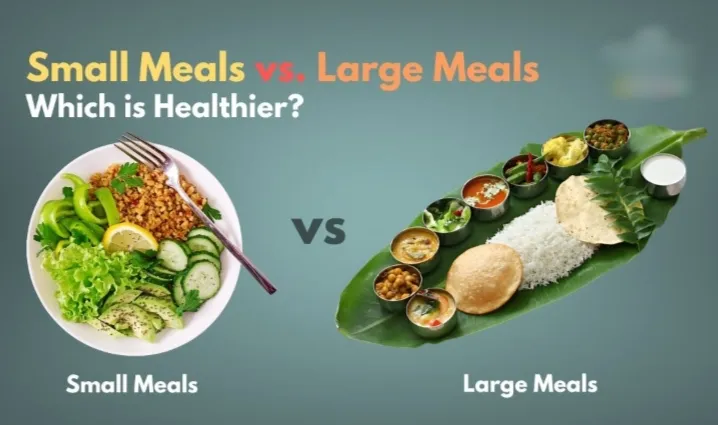
The comparison between big meals and small snacks is an ongoing discussion in dietary habits. Big meals typically refer to consuming three substantial meals daily, such as breakfast, lunch, and dinner, which are generally eaten at set times. These meals usually involve larger portions that provide a sense of satisfaction. Conversely, small snacks involve dividing food intake into four to six smaller portions throughout the day, offering a different approach to nutrition.

Both styles of eating are aimed at sustaining energy levels and fulfilling nutritional needs, yet each adopts a distinct methodology. It is essential to understand that the choice between these two habits is not solely about nutrition; lifestyle, routine, and personal convenience play a significant role in the decision-making process.

Reasons People Prefer Big Meals

Some individuals find big meals more manageable, allowing them to eat substantial portions at predetermined times. This approach provides several advantages. Firstly, fixed meal timings create a clearer routine, making meal planning straightforward. Secondly, it eliminates the need for continual decision-making regarding food choices, as meals are designated for specific times. Finally, many people find that a full plate offers a sense of completion and satisfaction, aligning well with traditional eating patterns in various cultures.

Moreover, those who favour big meals might appreciate the time saved by preparing larger portions, reducing the need for frequent cooking. This can be particularly advantageous for individuals with busy schedules who prefer focused meal times rather than sporadic eating throughout the day.

The Appeal of Small Snacks

On the other side of the debate, small snacks draw attention from those with unpredictable daily schedules. This method aligns well with lifestyles that necessitate flexibility around meal times. One of the primary advantages of small snacks is their adaptable timing; individuals can eat as per their availability rather than adhering to fixed meal hours. This is especially useful for those with a hectic and dynamic work environment.

Moreover, small snacks often lead to lighter eating, which can help prevent the discomfort associated with large meals. They facilitate easier management of food intake during busy days, allowing individuals to consume quick bites during meetings or while travelling. This method is perceived as advantageous for those constantly on the move, as it promotes ongoing energy levels without the heaviness of a large meal.

Determining Your Ideal Meal Strategy

Ultimately, the question of which eating style is better depends largely on an individual’s daily routine. For those with a structured day, opting for big meals may provide better consistency and ease, streamlining meal planning. In contrast, individuals with irregular schedules might find continuous snacking to be a more suitable option, providing the flexibility needed to adapt to their varying commitments.

It is crucial to recognise that there is no universal solution to the big meals versus small snacks predicament. Each person’s lifestyle influences their dietary choices. Those navigating an office routine might align better with traditional meal times, while individuals whose days are less predictable may benefit from a snacking approach. Ultimately, the recommendation is to choose a strategy that feels sustainable, simple, and stress-free, which is likely to result in the most beneficial long-term eating habits.

Long or Short, get news the way you like. No ads. No redirections. Download Newspin and Stay Alert, The CSR Journal Mobile app, for fast, crisp, clean updates!

App Store –  https://apps.apple.com/in/app/newspin/id6746449540 

Google Play Store – https://play.google.com/store/apps/details?id=com.inventifweb.newspin&pcampaignid=web_share

Latest News

Popular Videos
