


Supreme Court Urges States to Address Child Trafficking with Urgency
The CSR Journal Magazine

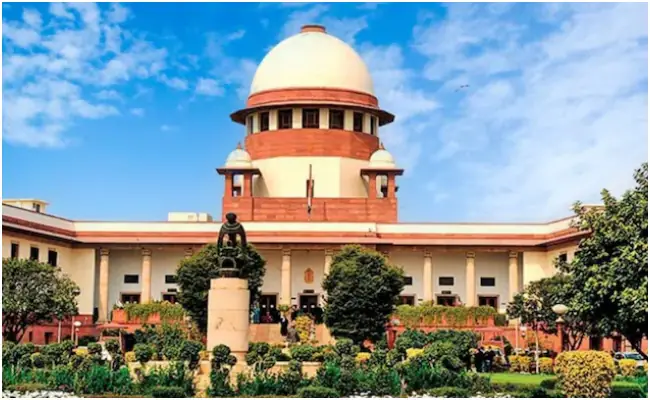
The Supreme Court of India has expressed serious concerns regarding the escalating incidents of child trafficking across the nation. In light of this troubling trend, the court has advised states and Union Territories not to underestimate the severity of the situation. During a recent hearing, a bench comprising Justices JB Pardiwala and KV Viswanathan highlighted that various trafficking gangs are allegedly operating throughout the country, necessitating prompt and effective measures from government authorities.

The Justices emphasised that immediate action is essential to prevent the crisis from spiralling out of control. They stated that only the state governments and their respective Home Departments possess the authority to enact vigilant measures against these trafficking networks. The court reaffirmed its role in monitoring the situation but underscored that the responsibility for action ultimately lies with local authorities, law enforcement, and other relevant agencies.

Mandatory Compliance with Court Orders

During the proceedings, the Supreme Court reiterated its previous directive from its verdict on April 15, 2025, which was aimed at dismantling organised child trafficking networks. The court has provided a final opportunity for several states and Union Territories to implement the measures outlined in this verdict. The importance of compliance reports was underscored, with the court warning that failure to meet these obligations could lead to states being classified as “defaulting.” This classification could potentially provoke further legal consequences.

The April 15 verdict mandated significant institutional reforms, which include ensuring the swift completion of trafficking-related trials within a timeframe of six months, conducted on a day-to-day basis. The court also directed the establishment of state-level committees responsible for monitoring regions identified as vulnerable to trafficking activities. Furthermore, it instructed that cases involving missing children be treated as trafficking unless proven otherwise.

During the hearing, the amicus curiae, appointed to assist the court in the matter, reported that fifteen states have yet to form the essential committees. In response, the Supreme Court granted these states an additional chance to submit detailed plans regarding the establishment and functioning of these committees by April 18, 2025. The court’s continued pressure highlights the urgency of the matter and the necessity for organised action to combat child trafficking.

Future Proceedings and Updates

The Supreme Court has now scheduled a follow-up hearing on April 29, 2025, to assess the progress made by the states in addressing the court’s concerns. This upcoming session is expected to focus on the responses from various states regarding implementation of required reforms and the establishment of monitoring committees. The court’s intervention marks a significant step in the effort to confront child trafficking in India, reinforcing the need for accountability and proactive measures within state administrations.

The focal challenge remains the collective action required at the state and local levels to curb this pervasive issue. As the court continues to monitor the situation, it is imperative that authorities remain vigilant and responsive to the directives established in the legal framework aimed at eradicating child trafficking.

Long or Short, get news the way you like. No ads. No redirections. Download Newspin and Stay Alert, The CSR Journal Mobile app, for fast, crisp, clean updates!

App Store –  https://apps.apple.com/in/app/newspin/id6746449540 

Google Play Store – https://play.google.com/store/apps/details?id=com.inventifweb.newspin&pcampaignid=web_share

Latest News

Popular Videos
