


Iran Voices Objections to US Involvement in Ceasefire Negotiations
The CSR Journal Magazine

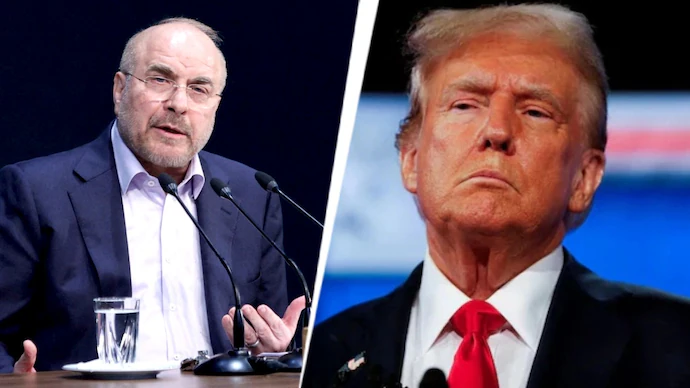
Iran’s Parliament Speaker Mohammad Bagher Ghalibaf has expressed significant reservations regarding the ongoing negotiations aimed at ceasing hostilities. He described discussions with the United States as “unreasonable” given what he alleged to be breaches of Iran’s fundamental conditions for peace. Ghalibaf specifically referenced three violations of a ten-point framework presented by Tehran, which he claims the US has not adhered to.

In his statements, Ghalibaf highlighted the issue of ongoing Israeli military strikes in Lebanon and a reported incursion of drones into Iranian airspace following the onset of a truce. He asserted that the lack of acceptance of Iran’s uranium enrichment activities further complicates the situation, undermining trust in the negotiations.

Ceasefire Shows Signs of Strain

The ceasefire, which is barely a day old, is reportedly facing challenges as both sides assert claims of territorial or military advantages. Disagreements over the central terms of the truce have surfaced, creating a precarious environment for potential dialogue. This turmoil came just as a White House announcement indicated that JD Vance would lead the American delegation to forthcoming talks set to commence in Islamabad on Saturday.

Iran is expected to be represented by Ghalibaf along with Foreign Minister Abbas Araghchi at the Islamabad discussions. Araghchi reiterated Iran’s stance that the agreement should extend beyond its borders, claiming that the situation in Lebanon must be addressed for peace to be genuinely achieved. He accused the US of failing to recognise the urgency of halting aggressions occurring in Lebanon.

However, both Washington and Israel have rejected the notion that Lebanon should be included in the existing framework for a ceasefire. US President Donald Trump communicated his belief that the incidents between Israel and Hezbollah should not factor into the negotiations, deeming them a distinct matter requiring separate considerations.

US and Israeli Perspectives on the Conflict

The White House has reinforced this view, with Press Secretary Karoline Leavitt emphasising that Lebanon is not part of the ceasefire accord as communicated to involved parties. She downplayed any suggestions that Israeli Prime Minister Benjamin Netanyahu was seeking to disrupt the ongoing truce through military actions against Lebanon, reaffirming Israel’s position as a crucial ally for the US.

In a similar vein, Netanyahu underscored that the truce does not apply to Hezbollah forces, signalling Israel’s intention to continue military operations in the region. He claimed that Israel has made significant progress in diminishing Iran’s missile capabilities and nuclear aspirations, confidently stating, “Iran is weaker than ever; Israel is stronger than ever.” He stressed that this temporary ceasefire should be viewed merely as a pause rather than a definitive end, stating the country remains prepared for further actions as necessary.

As discussions are set to commence in Islamabad, the stark divergences regarding the ceasefire’s terms demonstrate the complexities involved in transition from a temporary cessation of hostilities to a sustainable resolution in the region.

Long or Short, get news the way you like. No ads. No redirections. Download Newspin and Stay Alert, The CSR Journal Mobile app, for fast, crisp, clean updates!

App Store –  https://apps.apple.com/in/app/newspin/id6746449540 

Google Play Store – https://play.google.com/store/apps/details?id=com.inventifweb.newspin&pcampaignid=web_share

Latest News

Popular Videos
