


Iran-US Ceasefire Announced – What does it Mean for RBI’s Monetary Policy?
The CSR Journal Magazine

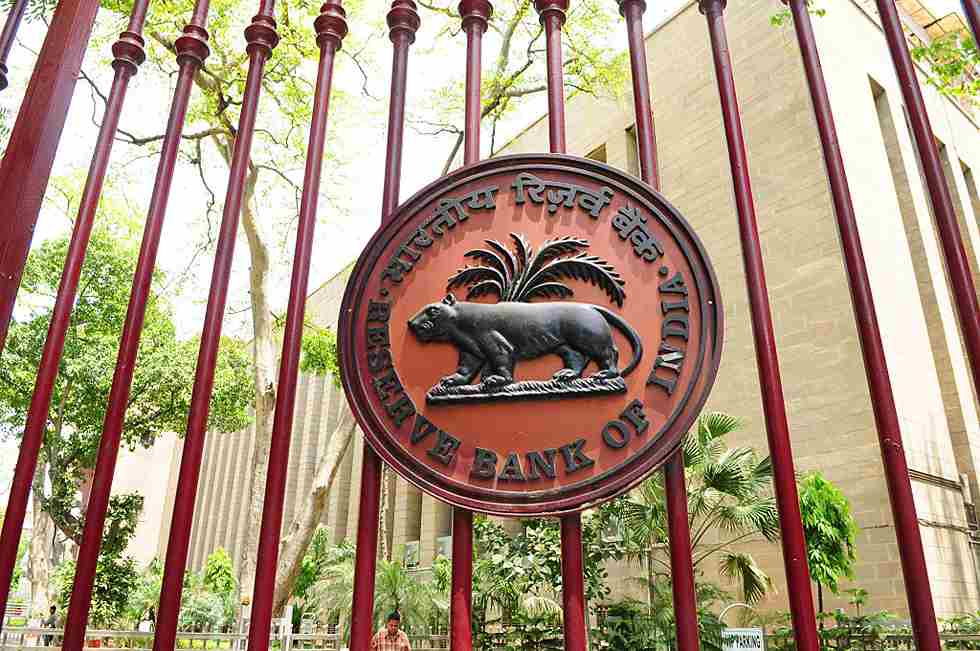
The Reserve Bank of India is anticipated to keep interest rates unchanged during its policy meeting scheduled for 10 am on Wednesday. This decision comes as officials assess the impact of notable global developments, including the newly announced ceasefire between Iran and the United States.

The current repo rate is set at 5.25%, a figure that has remained steady since December 2025, when the central bank last implemented a rate cut. Economists are observing how the ceasefire might influence the RBI’s perspective.

With the ceasefire resulting in a significant downturn in crude oil prices, the RBI’s ability to maintain economic stability may be enhanced. Lower oil prices help relieve inflationary pressures, thus allowing the central bank to adopt a more cautious approach.

Impact of Falling Crude Prices on Inflation

The recent decline in crude oil prices, now below $100 per barrel, addresses one of India’s primary economic vulnerabilities, given that the nation heavily relies on oil imports. Analysts suggest that decreased oil prices may help manage inflation and support the stability of the rupee.

Dr VK Vijayakumar, Chief Investment Strategist at Geojit Investments Limited, expressed the view that the RBI is likely to keep rates steady due to the drop in oil prices. He noted that this situation may lead to a strengthening of the rupee, potentially altering foreign portfolio investments by ending existing selling trends.

In light of these developments, the RBI’s stance is expected to remain neutral, with an emphasis on maintaining balance amid fluctuating global conditions.

Changing Economic Landscape and Challenges Ahead

The economic landscape in India has evolved notably since February, prompting the RBI to carefully reconsider its policy. YES BANK highlighted that the recent geopolitical tensions in West Asia have driven oil prices higher, impacting not only inflation but also the value of the rupee.

The report indicated concerns that economic growth could face setbacks in FY27 due to rising oil prices and supply chain disruptions, which may further complicate matters for domestic manufacturing. Some issues cannot be resolved through monetary policy alone, especially those arising from sector-specific supply chain challenges.

Inflation estimates are also adjusting, with predictions pointing to a potential increase of 35-50 basis points from the base case of approximately 4%, positioning the Consumer Price Index (CPI) between 4.5% and 4.8% going forward. This suggests that April’s policy will likely maintain the status quo while adopting a cautious tone.

Housing Sector Reactions to Policy Outlook

The RBI’s decisions have far-reaching implications for various sectors, particularly housing, where borrowing costs directly influence demand. Atul Monga, CEO and Co-Founder of BASIC Home Loan, remarked that a stable policy rate could sustain housing demand as growth remains resilient and inflation moderates.

Monga suggested that stable interest rates could provide essential support to the housing market, improving borrower sentiment and credit access. Additionally, he mentioned that any pause or slight alteration in the policy stance might further aid in reviving housing demand.

Despite the relief garnered from the ceasefire and declining crude prices, the RBI is expected to approach its future policy decisions with caution. Monitoring inflation rates, growth trajectories, and global economic risks will remain paramount as the central bank navigates the complexities of the current economic environment.

Long or Short, get news the way you like. No ads. No redirections. Download Newspin and Stay Alert, The CSR Journal Mobile app, for fast, crisp, clean updates!

App Store –  https://apps.apple.com/in/app/newspin/id6746449540 

Google Play Store – https://play.google.com/store/apps/details?id=com.inventifweb.newspin&pcampaignid=web_share

Latest News

Popular Videos
