


Iran and Oman to Impose Transit Fees on Hormuz Shipping Under Ceasefire Agreement
The CSR Journal Magazine

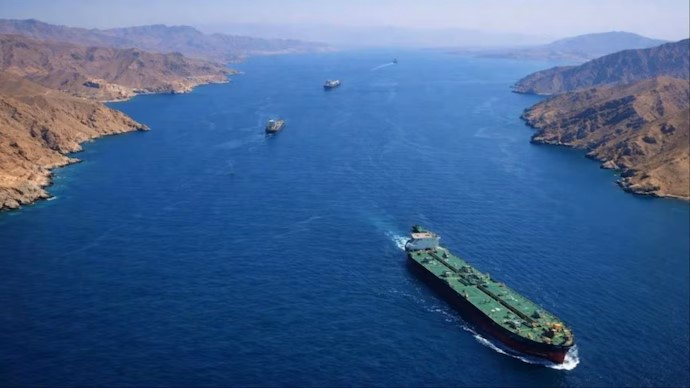
The recent two-week ceasefire agreement between the United States and Iran includes a significant provision that enables both Iran and Oman to collect transit fees from vessels traversing the Strait of Hormuz. This strategic waterway connects the Persian Gulf to the Gulf of Oman and is critical for global oil transportation, accounting for approximately twenty per cent of the world’s oil trade, as reported by a news agency.

Historically, the Strait of Hormuz has been deemed an international waterway, which has always remained free of transit fees imposed by either of its bordering nations. However, the new provisions introduced within this ceasefire could fundamentally alter this precedent, introducing financial liabilities for shipping companies that transit through these waters.

Government officials in Tehran have indicated that the implementation of transit fees is aimed at generating revenue for the Iranian government, particularly for financing post-war reconstruction efforts. The ongoing conflict has reportedly inflicted extensive damage on numerous sectors within the country, including defence and civilian infrastructure.

Financial Implications

The reported introduction of transit fees stands to impact global oil prices and shipping rates, as the Strait of Hormuz remains a vital conduit for oil exports from several key nations. The fees may lead shipping companies to reassess their routing strategies, potentially aiming for alternative passages or re-negotiating terms with cargo consumers.

Analysts suggest that should these fees be implemented, they could result in fluctuations in shipping costs, directly affecting consumers worldwide. The costs associated with transiting through the Strait could create a ripple effect, influencing market prices both regionally and globally.

Furthermore, revenue generated from these fees is expected to facilitate much-needed rehabilitation and reconstruction in Iran. Officials have indicated that the funds would be directed towards rebuilding efforts targeting areas that have suffered the most from the war, hence addressing the pressing needs of the end population in terms of infrastructure and basic services.

Reactions and Future Outlook

The proposed fees have sparked discussions among international stakeholders and maritime organisations regarding potential ramifications on navigation through the Strait of Hormuz. The Strait’s historic status as a toll-free passage has drawn attention, as this change would mark a noteworthy transition in maritime regulations.

Responses to the ceasefire agreement and the accompanying transit fee provision have varied widely. Some industry analysts express concerns that these changes might aggravate tensions in the region, while others argue that the ceasefire itself represents a step towards stability following a prolonged period of conflict. The situation remains fluid as further developments unfold.

The success of these measures will largely depend on international cooperation and adherence to the ceasefire agreements. Both Iran and Oman are likely to monitor ships’ compliance with the new fees while seeking to establish a framework that ensures fair and transparent collection processes for shipping companies.

Long or Short, get news the way you like. No ads. No redirections. Download Newspin and Stay Alert, The CSR Journal Mobile app, for fast, crisp, clean updates!

App Store –  https://apps.apple.com/in/app/newspin/id6746449540 

Google Play Store – https://play.google.com/store/apps/details?id=com.inventifweb.newspin&pcampaignid=web_share

Latest News

Popular Videos
