


Palestinians Queue for Hours in Rain for Bread
The CSR Journal Magazine

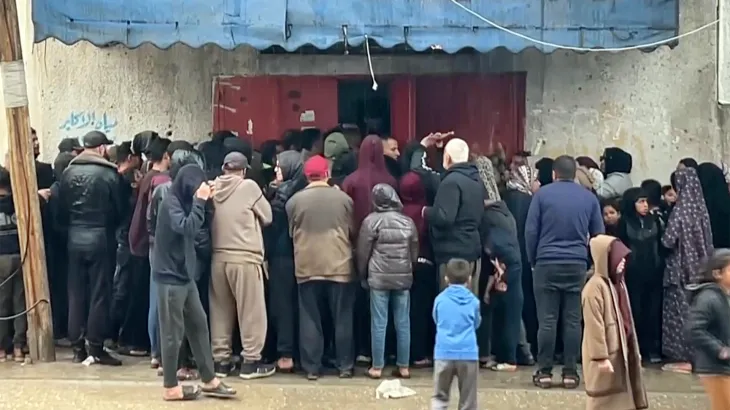
Palestinians in the Gaza Strip recently faced severe challenges as they queued for hours in heavy rain to obtain basic food supplies, particularly bread. This situation has emerged in the context of a growing food crisis, exacerbated by stringent Israeli restrictions on the movement of food and humanitarian aid into the territory.

With the ongoing conflict and restrictions leading to widespread shortages, many residents are struggling to meet their daily nutritional needs. Reports indicate that long lines formed outside bakeries and distribution centres, highlighting the urgent need for basic supplies amid deteriorating conditions. These developments underscore the humanitarian challenges faced by civilians in Gaza.

The situation has reportedly worsened due to limitations on imported goods and disrupted supply chains. Residents, drenched by rainfall, have expressed anxiety over their ability to secure food in the coming days. Furthermore, humanitarian organisations are reportedly advocating for increased access to aid in order to alleviate these pressing issues.

Consequences of Restricted Aid

The restrictions on humanitarian aid entering Gaza have had significant ramifications for the population. As a result of ongoing political tensions and regulation, essential food items are increasingly difficult to procure, leading to rampant inflation and scarcity. Many families are coping with diminished resources, and the economic impact is being felt throughout the region.

Local markets face overwhelming demands with limited supplies, causing prices to soar beyond the reach of many residents. Reports indicate that a growing number of individuals are only able to purchase smaller quantities of food, which raises concerns about long-term food security in the area. The public health implications of sustained shortages are also a subject of concern among health experts.

In light of these challenges, some community-led initiatives have begun to emerge, aimed at supporting those most affected. Volunteers and local organisations are stepping in to distribute food and basic necessities to vulnerable households. However, these efforts face obstacles due to limited resources and the ongoing restrictions imposed by external authorities.

International Community’s Response

The international community has been urged to respond more effectively to the humanitarian needs in Gaza. Multiple organisations have called for an increase in humanitarian assistance and for diplomatic efforts to ensure that aid can flow freely into the territory. Experts suggest that a coordinated approach involving various stakeholders could lead to better outcomes for the affected population.

In the meantime, incidents like the long queues for bread serve as a stark reminder of the challenges faced by the people of Gaza. Observers note that without meaningful intervention, the day-to-day struggles of residents are likely to intensify. Additionally, the effects of the ongoing situation on children’s health and nutrition could have long-lasting implications for future generations.

As the humanitarian crisis continues to unfold, the need for immediate and sustained action from both local authorities and international bodies will be crucial. The situation in Gaza remains tense, and the need for comprehensive solutions to improve access to food and basic needs has never been more urgent.

Long or Short, get news the way you like. No ads. No redirections. Download Newspin and Stay Alert, The CSR Journal Mobile app, for fast, crisp, clean updates!

App Store –  https://apps.apple.com/in/app/newspin/id6746449540 

Google Play Store – https://play.google.com/store/apps/details?id=com.inventifweb.newspin&pcampaignid=web_share

Latest News

Popular Videos
