


China Maintains Neutral Stance Amid US-Iran War
The CSR Journal Magazine

China has adopted a stance of non-involvement as the conflict between the United States and Iran escalates. The country has refrained from deploying troops or making significant military moves, opting instead for a patient observation approach. This strategy has gained global attention, notably featured on the cover of The Economist, which presents the idea of allowing adversaries to make mistakes without interference.

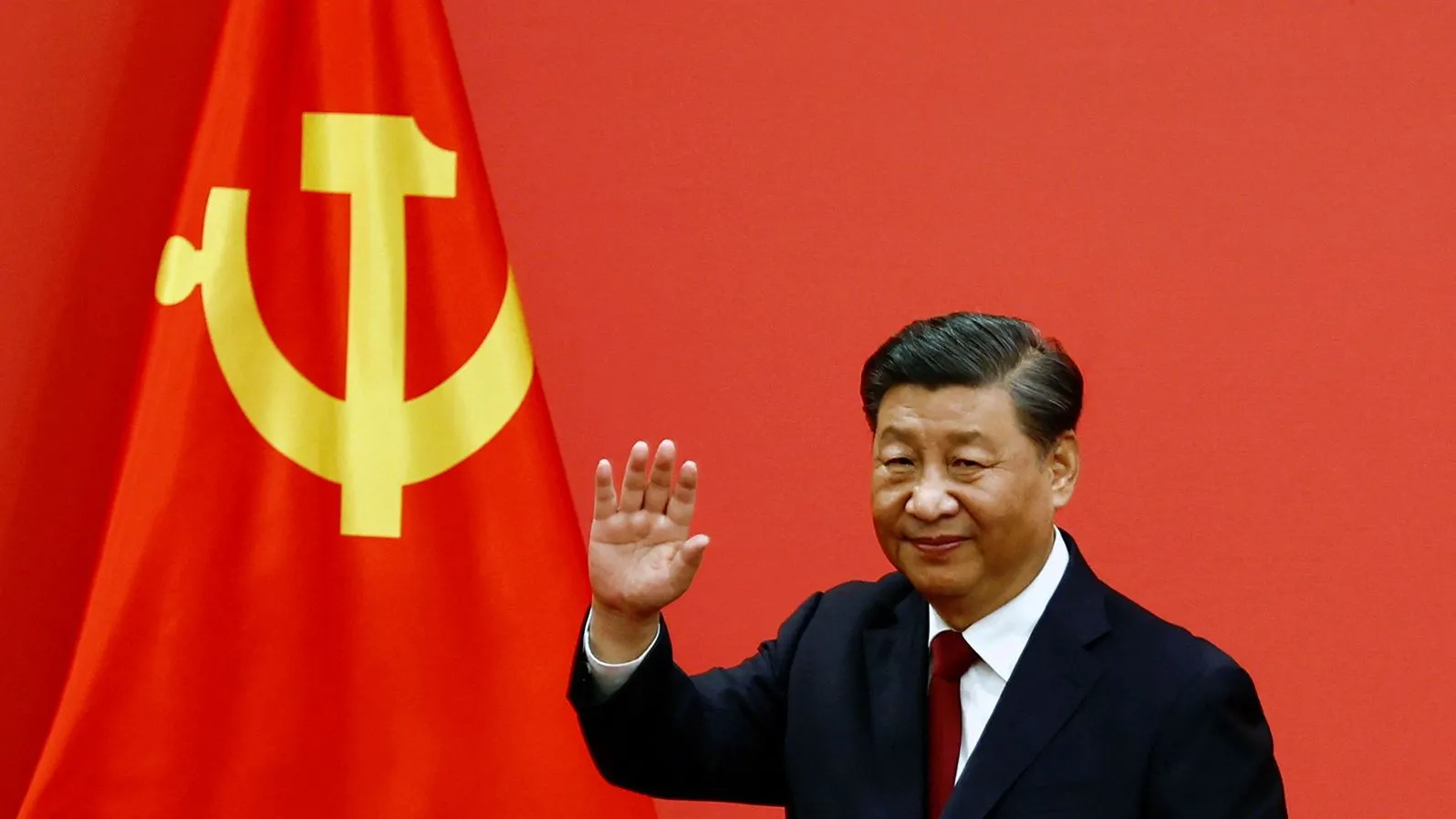
The muted response from President Xi Jinping contrasts sharply with the active involvement of the US. While Washington aims for regime change in Iran and seeks to curb its nuclear ambitions, China has strategically avoided entanglement in the ongoing hostilities. Instead, China has continued to purchase Iranian oil at substantial discounts, taking advantage of the sanctions imposed by the US.

Despite the rising tensions in the Middle East, China’s position appears stable. By not engaging in military actions or issuing loud proclamations, it has recently demonstrated a calculated approach aimed at securing its geopolitical interests.

The Impact of the Strait of Hormuz Situation

The Strait of Hormuz has become a critical point of contention, given that a significant portion of the world’s oil traverses this vital waterway. Iran’s decision to close it has practical implications for global energy supplies, effectively holding the economy at risk. This closure, while challenging for many nations, has seemingly left China well-prepared.

China’s strong partnership with Iran has facilitated access to millions of barrels of Iranian oil via shadow fleets. The nation has diversified its oil sources and built substantial reserves, enabling it to handle potential crises effectively. As a response to the fluctuations in oil supply, China has invested in boosting domestic hydrocarbon production and exploring renewable energy options.

The private “teapot” refineries in China have been instrumental in importing inexpensive Iranian oil while navigating around US sanctions. These independent facilities have provided a stabilising effect on the Chinese economy amid the turbulent global landscape.

China’s Pragmatic Diplomatic Role

China’s low-profile response reflects a broader strategy of positioning itself as a stable alternative amid geopolitical turmoil. Analysts suggest that this approach enables Beijing to leverage geopolitical tensions as opportunities for future advancement.

The recent mediation role taken by Pakistan, which has sought China’s backing in its efforts to bridge discussions between the US and Iran, exemplifies this dynamic. Instead of making bold statements, China has opted to present a five-point plan for a ceasefire and the reopening of the Strait of Hormuz, adhering to a pragmatic diplomatic tone.

China’s actions underscore its intention to avoid direct confrontations with the US while strengthening its diplomatic channels. This measured response aligns with its economic interests, as prolonged conflicts could detrimentally affect China’s trade capabilities. The overarching strategy appears to prioritise economic stability over military involvement, suggesting that sometimes the most strategic action is to remain on the sidelines.

Long or Short, get news the way you like. No ads. No redirections. Download Newspin and Stay Alert, The CSR Journal Mobile app, for fast, crisp, clean updates!

App Store –  https://apps.apple.com/in/app/newspin/id6746449540 

Google Play Store – https://play.google.com/store/apps/details?id=com.inventifweb.newspin&pcampaignid=web_share

Latest News

Popular Videos
