


Unexpected Hailstorm Transforms Rajasthan’s Thar Desert
The CSR Journal Magazine

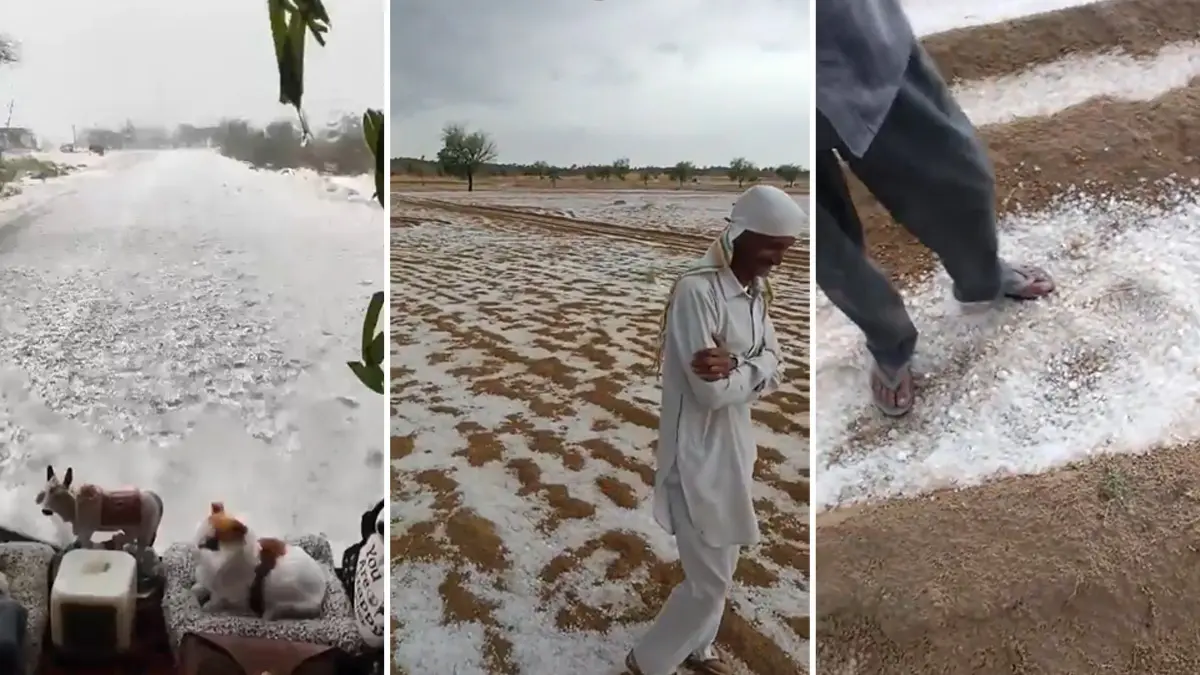
The sands of the Thar Desert experienced an extraordinary change on February 1, 2025, as an intense hailstorm blanketed parts of Rajasthan in a thick layer of ice. Locations such as Arjunsar and Rajiyasar in the Bikaner district were notably impacted, presenting a striking visual akin to the snow-covered valleys of Kashmir. A drastic drop in temperatures accompanied this rare meteorological occurrence, compelling residents to navigate through icy roads and uncharacteristically chilly conditions.

Causes Behind the Unusual Weather

This unique phenomenon was attributed to a severe hailstorm triggered by a Western Disturbance, a weather system emerging from the Mediterranean region. This system travels eastward, bringing moisture and cooler temperatures to northwest India. When the moisture-rich air from the disturbance clashed with the intense heat characteristic of the desert, powerful updrafts formed. These updrafts lifted water droplets into the upper atmosphere, where they condensed into ice pellets.

As these pellets increased in size and weight, they eventually fell to the ground as hailstones, resembling marbles. This process resulted in a spectacular yet damaging transformation of the familiar desert landscape, leaving residents both astonished and alarmed.

Visuals shared by IFS officer Parveen Kaswan illustrated the striking contrast between the golden sands and the newly laid ice. Images from unaffected areas were starkly different, highlighting the intensity of this unusual weather event.

Implications for Local Agriculture

The timing of the hailstorm carried significant implications for local farmers, who were in the process of preparing for the harvest of their Rabi crops, which include winter crops like wheat and isabgol. There has been considerable concern regarding the damage inflicted on these plants, particularly wheat, which is vital to local agriculture.

Marble-sized hailstones reportedly inflicted substantial harm, resulting in potential financial losses for many farmers. Experts suggest exploring crop insurance options as a means to offer some form of relief to the affected agricultural community. These financial protections will be essential for farmers facing the immediate effects of such unpredictable weather.

Local government and agricultural departments are currently assessing the extent of the damage in order to mobilise support for those impacted, reinforcing the need for an adaptive response to changing climate patterns affecting the region.

Weather Patterns and Climate Concerns

Despite Rajasthan’s reputation for extreme heat, hailstorms in April can occur under conditions of high atmospheric instability. This instability manifests when hot ground-level air interacts with cooler, moisture-laden winds from the north. Although occasional March and April hailstorms are not unprecedented, the magnitude of hail experienced recently in Bikaner stands out as unusual.

This incident is indicative of broader concerns regarding increasingly erratic weather patterns across India, as noted by the India Meteorological Department. Their forecasts suggest that instability may persist in various divisions, including Jaipur and Jodhpur, potentially continuing until early April.

The growing occurrence of such severe weather events raises important questions about climate change and its impact on agricultural practices in the region, prompting considerations for adaptation strategies among the farming community.

Long or Short, get news the way you like. No ads. No redirections. Download Newspin and Stay Alert, The CSR Journal Mobile app, for fast, crisp, clean updates!

App Store –  https://apps.apple.com/in/app/newspin/id6746449540 

Google Play Store – https://play.google.com/store/apps/details?id=com.inventifweb.newspin&pcampaignid=web_share

Latest News

Popular Videos
