


Protests Erupt in Pakistan’s Sindh Over Rising Fuel Prices
The CSR Journal Magazine

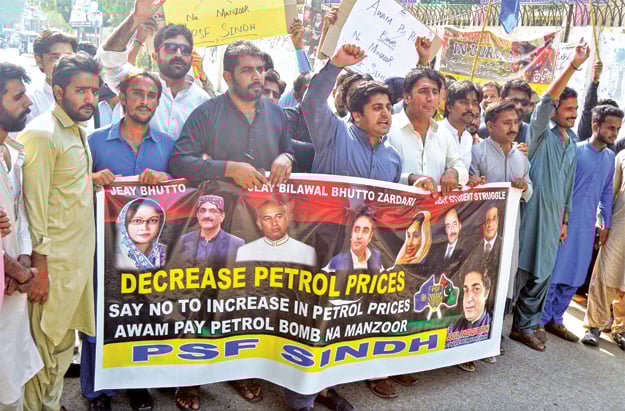
Recent developments in Sindh, Pakistan, have sparked increased public unrest as nationalist leaders mobilize citizens to protest against soaring fuel prices. The dramatic surge in prices, which have reportedly nearly doubled in a matter of weeks, is linked to the ongoing geopolitical tensions involving the United States and Iran. This escalation has led to significant unease regarding its broader implications for inflation and the overall cost of living in the region.

Local Leaders Demand Government Action

Syed Zain Shah, the President of the Sindh United Party (SUP), has been particularly vocal in urging the public to take to the streets. Shah maintains that the recent fuel price increases have created an unbearable financial strain on the everyday citizen. He has called for the government to either reverse these hikes or resign from power altogether. Describing the economic impact of the price surge as “destructive,” Shah has emphasized that the increase exceeds what is sustainable for the populace. He has also urged Prime Minister Shehbaz Sharif and President Asif Ali Zardari to eliminate all taxes and levies on petroleum products to stabilize pricing.

Concerns Over Inflation and Economic Policy

Shah criticized the government’s current economic strategies, contending that the burdens placed on citizens are a result of ineffective policy decisions. In parallel, Ayaz Latif Palijo, a leader of the Qaumi Awami Tehreek (QAT), has also announced a province-wide protest campaign that is set to last for five days. Palijo condemned the uncontrolled inflation attributed to rising fuel prices, asserting that the government is yielding to pressure from the International Monetary Fund (IMF). He specifically pointed to reduction in subsidies and alleged that corrupt elements are influencing policymaking, further exacerbating the situation.

Public Sentiment and Demonstration Plans

Palijo has indicated that if the government does not reverse its decision regarding the price hikes, the public demonstrations will intensify. He highlighted that public frustration is nearing a critical point, which could lead to more organized protests. In addition, Dr. Qadir Magsi, Chairman of the Sindh Taraqi Pasand Party (STPP), has voiced similar concerns, claiming that the government’s policies are driving citizens into economic despair. He noted that even basic necessities, such as securing two meals a day, have become increasingly unaffordable for many families in the region.

Wider Implications of the Crisis

This situation has raised alarms not only among political leaders but also among the general population, who are facing the brunt of rising costs. As protests gain traction in Sindh, the ongoing discourse around economic management and public welfare continues to gather momentum, indicating a potentially pivotal moment in the region’s socio-economic landscape. The unfolding events reflect a growing discontent that could significantly influence future governmental policies and the overall economic climate in Pakistan.

Long or Short, get news the way you like. No ads. No redirections. Download Newspin and Stay Alert, The CSR Journal Mobile app, for fast, crisp, clean updates!

App Store –  https://apps.apple.com/in/app/newspin/id6746449540 

Google Play Store – https://play.google.com/store/apps/details?id=com.inventifweb.newspin&pcampaignid=web_share

Latest News

Popular Videos
