


Telangana Couple Dies by Suicide After Family Opposes to Inter-Caste Marriage
The CSR Journal Magazine

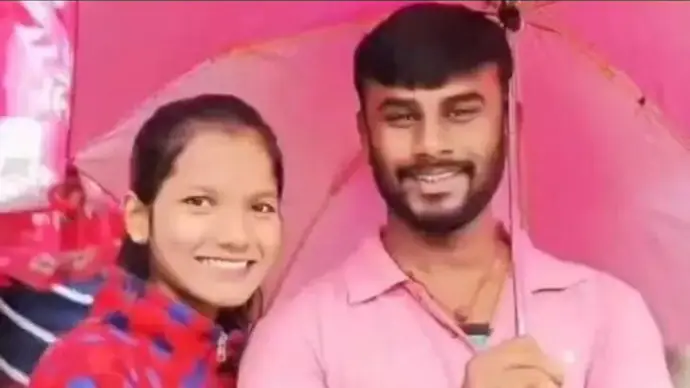
A young couple, Anumula Rakesh Reddy, aged 25, and Tharigoppula Harika, aged 22, have tragically died by suicide in Siddipet district, Telangana. This incident occurred against the backdrop of familial opposition to their inter-caste marriage. Rakesh and Harika, who had reportedly fallen in love and married, moved to Hyderabad prior to returning to their village three months ago. Their relationship faced severe resistance from Rakesh’s family, primarily due to the couple’s different caste backgrounds.

According to local law enforcement, Rakesh Reddy attempted to take his own life by consuming pesticide on March 28. He succumbed to his injuries on March 30 while receiving medical treatment. Following the news of her husband’s death, Harika also took her life on April 2. It was reported that she had previously made a suicide attempt prior to this incident, indicating the emotional toll the situation had taken on both individuals.

Relatives and well-wishers recall that Rakesh’s parents initially did not accept the marriage. Despite this, after discussions and counselling facilitated by the police, the family eventually acquiesced to the union. Unfortunately, this acceptance came too late to prevent the tragic outcomes.

Increased Opposition to Inter-Caste Marriages

Recent statistics suggest a broader societal resistance to inter-caste unions in India. A survey conducted by India Today in 2025 found that 56 per cent of respondents expressed opposition to inter-caste marriages. The results highlighted significant variations across different regions; for instance, 84 per cent of respondents from Uttar Pradesh were against such unions, while a more accepting 91 per cent from Chandigarh showed support.

States such as Rajasthan, Madhya Pradesh, Karnataka, and Haryana have initiated various schemes aimed at promoting inter-caste marriages. These programmes are designed to encourage social integration and diminish caste-based discrimination. Additionally, the central government has developed a social integration scheme that provides financial support to couples where either the bride or groom belongs to a Dalit community.

The emotional burden faced by couples in inter-caste relationships remains a pressing issue in contemporary India. Ongoing societal resistance to marrying outside one’s caste has manifested not only in familial opposition but also in tragic outcomes, as seen in the case of Rakesh and Harika. The societal attitudes about caste and marriage continue to be a crucial topic for discussion and exploration.

Current Investigation into the Incident

Following the tragic deaths of Rakesh and Harika, local police have officially registered a case related to the incident. An investigation is currently underway to ascertain further details surrounding the events leading to their deaths. Authorities are likely to review the family’s history and any previous incidents that may have contributed to this distressing situation.

The police are also expected to examine the broader societal factors influencing attitudes towards inter-caste marriages, as well as any additional support systems that may be beneficial for couples facing similar situations. The hope is to gain insights that might prevent similar tragedies in the future.

As investigations continue, the community is urged to engage in open dialogue about caste-based discrimination and the importance of acceptance. The tragic loss of Rakesh and Harika has sparked conversations about necessary changes in societal perspectives and the creation of supportive environments for inter-caste couples.

Long or Short, get news the way you like. No ads. No redirections. Download Newspin and Stay Alert, The CSR Journal Mobile app, for fast, crisp, clean updates!

App Store –  https://apps.apple.com/in/app/newspin/id6746449540 

Google Play Store – https://play.google.com/store/apps/details?id=com.inventifweb.newspin&pcampaignid=web_share

Latest News

Popular Videos
