


Coal Demand Increases in Hill Regions Due to LPG Shortages
The CSR Journal Magazine

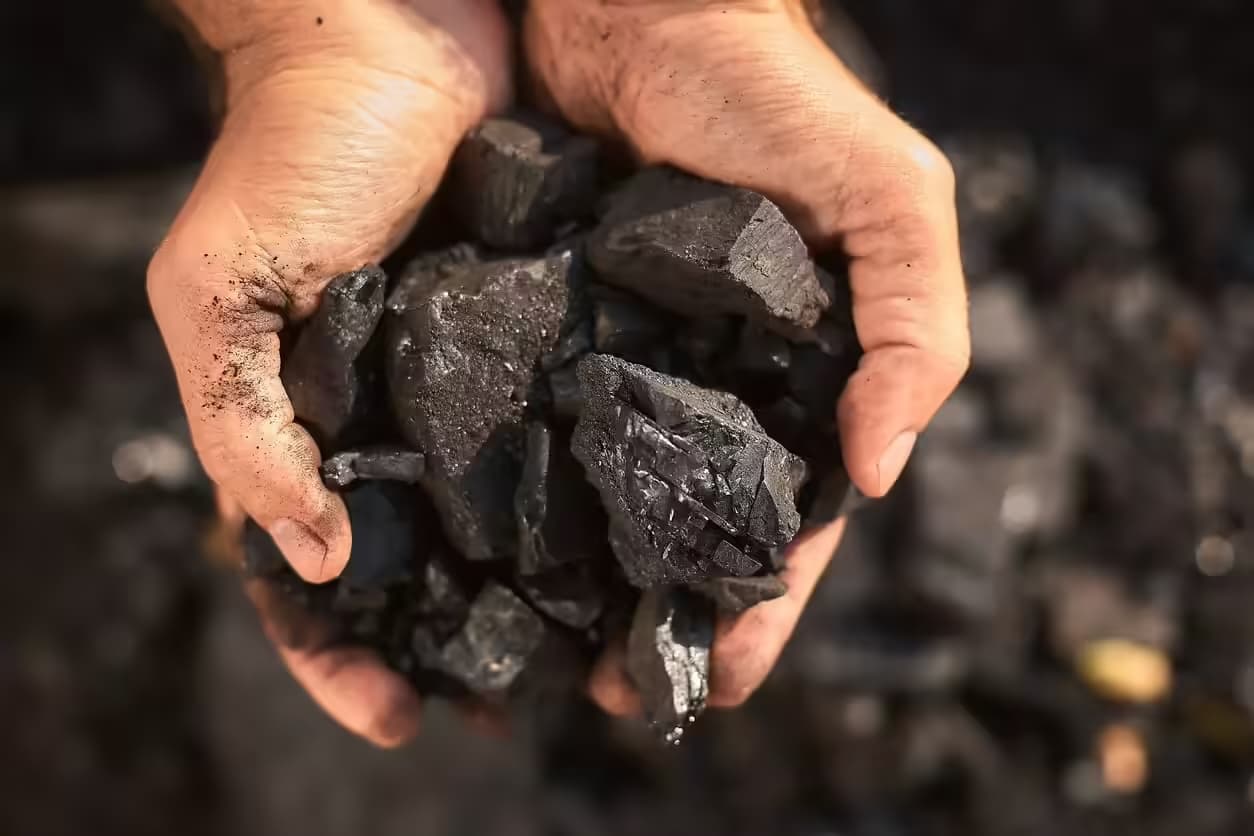
Reports indicate a significant rise in coal demand throughout hill areas, with Shimla experiencing particular effects as the food-service sector faces challenges from a shortage of LPG cylinders. The global disruptions stemming from the Israel-Iran situation are largely responsible for these complications, creating a ripple effect in local markets.

Small restaurants and roadside eateries are compelled to adapt by shifting their cooking methods due to the irregular delivery of LPG cylinders. Local workers have noted a deteriorating situation over recent weeks, where cylinder deliveries are now delayed, complicating daily operations.

Rajkumar, a worker in a local dhaba, described the escalating crisis, stating that previous cylinder deliveries once occurred daily, but have now extended to nearly four weeks. This shift has forced establishments to resort to burning coal instead.

Challenges Faced by Local Eateries

The confusion regarding fluctuating fuel prices adds another layer of difficulty for dhaba owners. Concerns are growing among restaurant operators about the overall sustainability of their business operations. Bhim Singh, also a dhaba worker, remarked on the unprecedented scale of challenges faced, highlighting the impact on customer service.

Delays in cooking and serving have become routine, with customers experiencing longer wait times. As a response to the LPG shortages, coal suppliers have reportedly increased their prices, leading to additional hurdles for restaurant owners attempting to manage their expenditures.

Coal suppliers have noted a sharp increase in demand driven by the escalating prices and erratic supply of LPG. Vikram Bhagra, a local coal supplier, stated that many restaurants, previously reliant on gas, are now switching to coal as an alternative. Even establishments that use electric systems have begun ordering coal for backup cooking solutions.

Sustainability Concerns for the Future

While the increased availability of coal in Shimla offers some temporary relief to affected businesses, experts express concern about the long-term viability of such alternatives. There is a consensus that reliance on coal, kerosene, and wood-fired stoves is neither environmentally sustainable nor economically secure.

Industry analysts assert that this local situation reflects a wider national trend, where the shortage of LPG and rising fuel costs compel eateries to make rapid changes, often at the expense of efficiency. Small businesses in vulnerable areas, particularly hill regions, are left struggling amidst these conditions.

Without a return to stable fuel supply and a resolution to global tensions, the food-service industry’s challenges are expected to persist, affecting the livelihoods of many within local communities. Stakeholders emphasize the need for intervention to support the resilience of small enterprises in the face of ongoing operational difficulties.

Long or Short, get news the way you like. No ads. No redirections. Download Newspin and Stay Alert, The CSR Journal Mobile app, for fast, crisp, clean updates!

App Store –  https://apps.apple.com/in/app/newspin/id6746449540 

Google Play Store – https://play.google.com/store/apps/details?id=com.inventifweb.newspin&pcampaignid=web_share

Latest News

Popular Videos
