


app-store-logo
play-store-logo
January 6, 2026

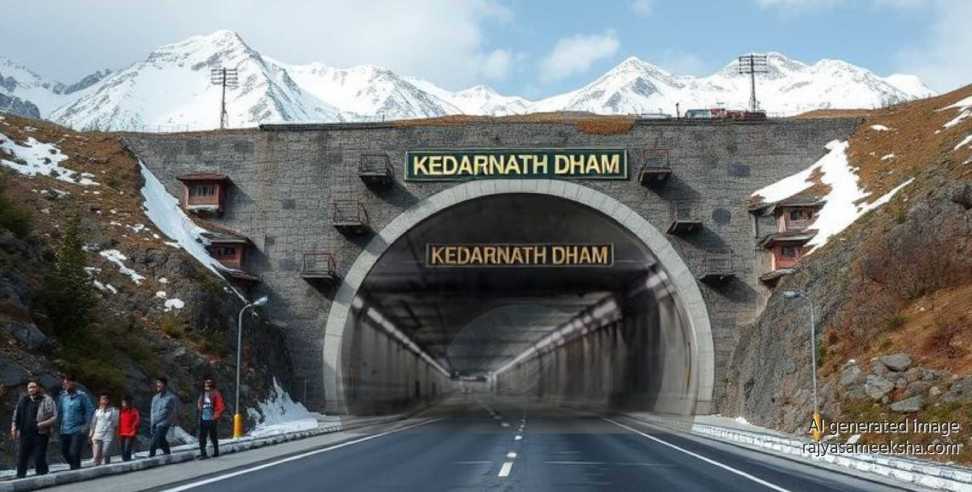
7km Kedarnath Tunnel Approved to Boost Pilgrim Safety and Access
The CSR Journal Magazine

India has approved the construction of a 7-kilometre twin-tube tunnel on the Kedarnath pilgrimage route, a move aimed at improving safety and reliability for lakhs of devotees each year. The decision followed discussions between the Union Ministry of Road Transport and Highways and the Uttarakhand government in late December, as authorities moved to address rising risks along the fragile Himalayan corridor.

The tunnel will connect Chaumasi in the Kalimath Valley with Sonprayag, a key transit point for pilgrims travelling to Kedarnath Temple. Officials plan the structure as both an alternative route and an emergency escape passage. During landslides, heavy snowfall or cloudbursts, the tunnel will allow controlled movement and faster evacuation.

The Centre has also approved a feasibility study for a pedestrian walkway and tunnel from Chaumasi. This proposal aims to separate foot traffic from vehicles and reduce congestion during peak pilgrimage days, when narrow mountain roads often struggle to cope with the surge of devotees.

Rising Pilgrim Numbers Drive Infrastructure Push

Kedarnath has seen a sharp rise in footfall in recent years, placing sustained pressure on existing infrastructure. Government estimates show that around 1.77 million pilgrims visited the shrine in 2025. Authorities expect this number to reach 2.5 million by 2030 and nearly 4 million by 2040.

The current approach via National Highway 107 already faces frequent bottlenecks, especially during the yatra season. Traffic slows to a crawl on several stretches, increasing travel time and raising safety concerns in an area prone to landslides and sudden weather changes.

Located at an altitude of nearly 12,000 feet in Uttarakhand’s Rudraprayag district, Kedarnath remains one of India’s most challenging pilgrimage routes. The road through Kalimath Valley still includes single-lane sections that struggle to handle growing traffic volumes.

To prepare for future demand, the government plans to widen the one-lane road in Kalimath Valley to two lanes once the tunnel becomes operational. Officials believe this expansion will ease congestion and improve emergency response times.

Safety Lessons Shape Tunnel Planning

Authorities have stressed that the Kedarnath tunnel will follow strict safety and geological standards. Engineers will conduct detailed geological, geotechnical and hydrological studies before construction begins.

The government has drawn lessons from the 2023 Silkyara tunnel collapse in Uttarkashi, where 41 workers remained trapped for 17 days. That incident exposed the risks of tunnelling in young Himalayan rock formations and prompted tighter oversight of underground projects.

For Kedarnath, planners intend to use advanced monitoring systems and modern construction techniques. The twin-tube design will allow one tube to serve as an escape route if the other faces disruption. Officials also plan to integrate disaster response protocols directly into the tunnel’s operations.

By prioritising safety at the design stage, the government hopes to reduce risks for both pilgrims and workers during extreme weather or geological events.

Ropeway to Cut Travel Time Dramatically

The tunnel project will work alongside a major ropeway planned from Sonprayag to Kedarnath. Adani Enterprises has secured the contract for the 12.9-kilometre ropeway, which authorities expect to become operational by 2031–32.

Once completed, the ropeway will reduce the current eight to nine-hour trek to just 36 minutes. The system will use tricable gondola technology and carry up to 1,800 pilgrims per hour. This option will particularly benefit older devotees and those unable to undertake the steep climb.

Valued at Rs 4,081 crore, the ropeway project will follow a public-private partnership model and require around six years for construction. Together, the tunnel and ropeway represent the largest coordinated infrastructure upgrade ever planned for the Kedarnath route.

Balancing Devotion and Environmental Responsibility

While the projects promise safer and faster access, officials remain conscious of environmental concerns in the ecologically sensitive region. The government has reiterated that construction will follow environmental clearances, controlled blasting norms and continuous monitoring.

For pilgrims, the tunnel approval signals a shift towards safer and more predictable travel conditions. For policymakers, it brings the challenge of balancing religious tourism with environmental protection.

If executed as planned, the Kedarnath tunnel could set a benchmark for resilient infrastructure in the Himalayas. It aims to ensure that faith-driven journeys remain safe, even as climate risks and pilgrim numbers continue to rise.

Long or Short, get news the way you like. No ads. No redirections. Download Newspin and Stay Alert, The CSR Journal Mobile app, for fast, crisp, clean updates!

App Store –  https://apps.apple.com/in/app/newspin/id6746449540 

Google Play Store – https://play.google.com/store/apps/details?id=com.inventifweb.newspin&pcampaignid=web_share

Latest News

Popular Videos
