


Zomato Implements Ban on Analogue Paneer Amidst Consumer Concerns
The CSR Journal Magazine

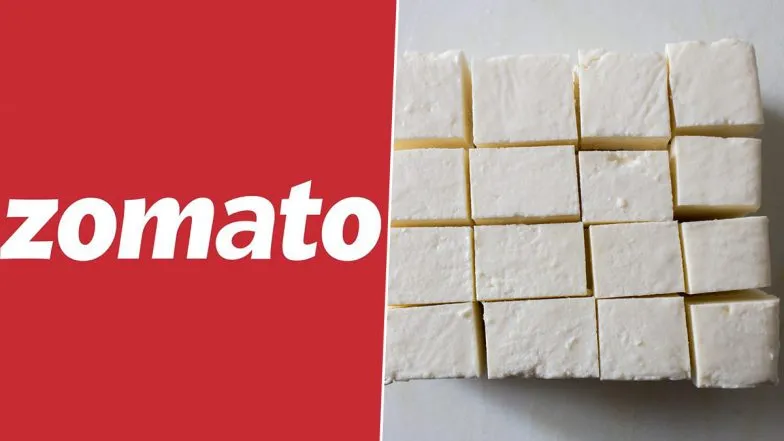
Zomato has announced a stringent policy aimed at curtailing the sale of dishes made with analogue dairy products. This declaration was made on Monday, and the policy takes immediate effect. The food delivery platform has warned that restaurants found in violation of this policy risk removal from the service. Zomato has reportedly begun delisting dishes that restaurant partners have already indicated contain analogue dairy, raising questions about the effectiveness of this self-reporting system.

Concerns Surrounding Disclosure Practices

As Zomato’s announcement generates discussion online, many consumers are questioning the practicality of the self-disclosure requirement. A user expressed doubt, asking, “Why would a restaurant inform the platform if they are using analogue paneer?” Critics on social media highlighted a fundamental concern—the likelihood that some establishments may choose to conceal the use of analogue dairy to avoid repercussions.

Another user raised similar doubts regarding Zomato’s ability to monitor compliance with its new policy. They pointed out that when customers lodge complaints about food quality, the platform frequently responds with disclaimers about its limited control over restaurant operations. This lack of verification raises questions about how Zomato intends to confirm the authenticity of ingredients used in dishes, particularly when it comes to paneer-based recipes.

Consumers are eager to understand the mechanisms Zomato will implement to identify and address potential violations of this policy. Without concrete verification measures, concerns about the authenticity of food served in restaurants may persist, leading to a lack of trust in the platform’s assurances about food quality.

Verification Challenges and Consumer Protections

The introduction of the zero-tolerance policy also shines a light on the limitations of consumer-led testing methods for food authenticity. A viral iodine test, popularised for checking paneer quality, can only detect starch and is unable to reliably determine whether paneer has been adulterated. Experts in food science have commented that this method is insufficient, as starch can be introduced through various ingredients unrelated to the dairy being used.

Analogue paneer itself represents a significant shift away from traditional dairy products, with some versions substituting non-dairy ingredients for genuine milk constituents. These products often employ cheaper vegetable oils in lieu of milk fat, making it difficult for consumers to distinguish between authentic paneer and its analogue counterparts.

With Zomato pledging a zero-tolerance stance, the pressing question remains: what strategies will the platform employ to ensure that restaurants comply with this policy? The absence of a clear verification process could hinder the practical implementation of the announced measures and leave consumers unsure about the integrity of the food they are purchasing.

Awaiting Zomato’s Response

In light of these concerns, India Today has contacted Zomato for clarification on the verification measures that will be put in place to monitor compliance with the ban on analogue dairy products. As of now, no response has been received. This article will be updated as further information becomes available to address the pressing questions surrounding food safety and ingredient transparency in the restaurant industry.

Long or Short, get news the way you like. No ads. No redirections. Download Newspin and Stay Alert, The CSR Journal Mobile app, for fast, crisp, clean updates!

App Store –  https://apps.apple.com/in/app/newspin/id6746449540 

Google Play Store – https://play.google.com/store/apps/details?id=com.inventifweb.newspin&pcampaignid=web_share

Latest News

Popular Videos
