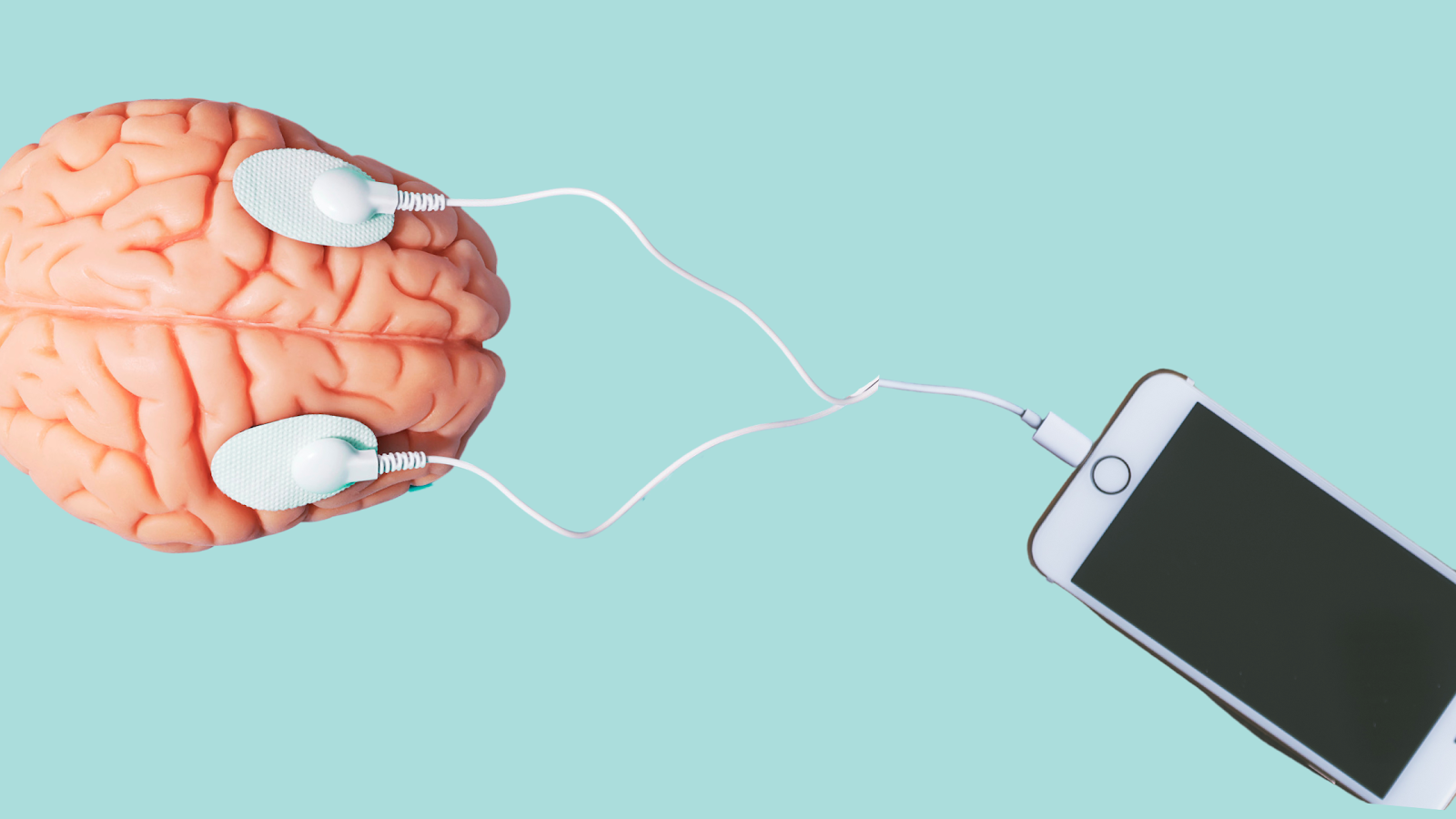
Your Smartphone is Reshaping Your Mind

The CSR Journal Magazine

As screen time exceeds four hours daily, research reveals significant implications for our brains. From diminished focus to memory issues, the effects of prolonged smartphone use are becoming increasingly evident. Contrary to popular belief, difficulties in concentration are not merely due to personal shortcomings; they are also linked to the inherent adaptability of the brain and the pervasive use of smartphones.

The human brain is not a rigid structure; rather, it is highly plastic, constantly adapting to experiences and stimuli. This phenomenon, known as neuroplasticity, is fundamental to learning new skills, mastering a language, or recalling important dates. However, the harmful effects of incessant smartphone usage can also be viewed as a form of conditioning for the brain. With an average global screen time surpassing four hours each day, individuals are inadvertently engaging in an extensive and uncontrolled experiment on their cognitive functions.

The Consequences of Excessive Screen Time

The repercussions of excessive digital engagement can be troubling. The phenomenon of “just one more video” transforms a simple pastime into a potential mental health concern. Clinicians recognize digital addiction—classified as Internet Addiction—as a legitimate behavioral issue that impacts over 7% of the global population. Adolescents are particularly susceptible to this condition, raising concerns about their mental health and well-being.

Digital addiction is not simply a byproduct of a lack of discipline or a strong attachment to technology. Rather, it is a scientific outcome rooted in how the brain functions. The brain’s wiring is shaped by repetition, and compulsive scrolling reinforces pathways that fuel the desire for more screen time. This pattern ultimately undermines the circuits that govern self-control and concentrated focus.

Impacts on Cognitive Function

Understanding the transformation of brain pathways provides insight into why compulsive phone use is increasingly problematic. Engaging with social media or other digital content becomes akin to practicing a musical instrument; just as routine practice strengthens musical skills, compulsive smartphone usage fortifies the desire for immediate digital gratification while simultaneously eroding one’s ability to concentrate.

Neuroscientists have highlighted that conditioning through habitual behavior can diminish the brain’s capacity for deeper cognitive processing. The continuous reinforcement of behaviors associated with smartphone use leads to a cycle where the brain prioritizes quick, rewarding tasks over more complex ones that require sustained attention and effort.

Addressing the Challenge

As the understanding of the brain’s plasticity evolves, strategies to counteract these negative impacts are becoming essential. Techniques such as mindful usage of technology, scheduled breaks from screens, and engaging in activities that promote focus are increasingly recommended by health professionals. These approaches aim to help individuals regain control over their digital habits and reduce the adverse effects of excessive screen time.

In light of the widespread nature of smartphone dependence and its consequences, it is increasingly critical for individuals to recognize the implications of their digital behaviors. Both personal responsibility and awareness of the effects of technology on the brain are crucial in navigating this complex landscape.

Long or Short, get news the way you like. No ads. No redirections. Download Newspin and Stay Alert, The CSR Journal Mobile app, for fast, crisp, clean updates!

App Store –  https://apps.apple.com/in/app/newspin/id6746449540 

Google Play Store – https://play.google.com/store/apps/details?id=com.inventifweb.newspin&pcampaignid=web_share

Latest News

Popular Videos