


app-store-logo
play-store-logo
February 10, 2026

World Pulses Day 2026: Understanding the Significance of Pulses as Nutritional Powerhouses
The CSR Journal Magazine

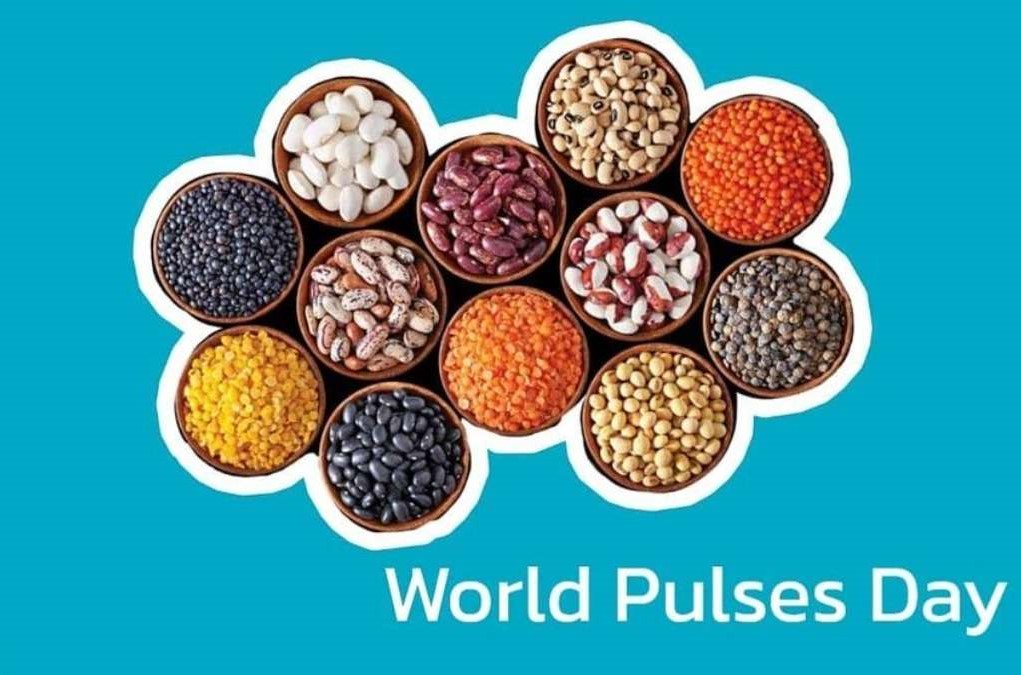
February 10 marks the annual observance of World Pulses Day, an initiative spearheaded by the United Nations to highlight the value of pulses in global nutrition and food security. Established in 2019, this day aims to enhance awareness of how pulses can combat hunger, improve health outcomes, and support agricultural communities worldwide.

Defining Pulses

Pulses refer to the edible seeds derived from leguminous plants, including lentils, chickpeas, beans, peas, and pigeon peas. Unlike legumes cultivated primarily for oil or animal fodder, pulses are rich in protein, fiber, and low in fat. They also provide essential vitamins and minerals such as iron, folate, potassium, and magnesium, making them a primary source of nutrition.

The Label ‘Poor Man’s Protein’

The significance of protein extends to various bodily functions, including muscle development and tissue repair. While protein-rich foods like meat, fish, and dairy can be expensive or challenging to obtain for many people, pulses serve as an affordable alternative. For instance, a mere 100 grams of lentils deliver approximately 9 grams of protein. This makes pulses a practical source of nutrition, earning them the nickname “the poor man’s protein.”

Pulses and Global Food Security

Beyond their nutritional value, pulses play a vital role in sustainable agriculture. They possess the unique ability to naturally fix nitrogen in the soil, which diminishes the need for chemical fertilizers and promotes long-lasting soil health. Due to their low water usage, pulses are classified as climate-smart crops, making them essential for feeding a growing global population while conserving natural resources. Current data indicates that pulses nourish over 3 billion individuals worldwide, establishing their importance in food security, especially in developing regions.

Health Benefits Associated with Pulses

Pulses offer a wide range of health advantages. They are a rich source of plant-based protein, crucial for bodily repair and enhancing immunity. Regular consumption of pulses is also linked to improved heart health, as they help lower LDL cholesterol levels and mitigate cardiovascular risks. Furthermore, the high fiber content in pulses promotes satiety, aiding in weight management and naturally stabilizing blood sugar levels due to their low glycemic index. The fibers are also beneficial for digestive health, preventing constipation. Additionally, pulses contain antioxidants and phytochemicals that may contribute to reducing cancer risk.

Innovative Culinary Uses for Pulses

Pulses can be incorporated into various culinary creations beyond traditional dishes. They are versatile ingredients suitable for soups, stews, salads, snacks, or even desserts. Examples include chana masala or rajma curry for protein-rich meals, moong dal khichdi as a comforting dish, lentil soups to provide immune support, and roasted chickpeas as a crunchy snack.

Interesting Facts About Pulses

Pulses have a cultivation history spanning over 8,000 years. India stands as the world’s leading producer and consumer of pulses. A diet incorporating pulses has the potential to reduce global carbon emissions, underscoring their environmental benefits. World Pulses Day serves as more than just a celebration; it underscores the global significance of pulses in addressing malnutrition, enhancing farmers’ livelihoods, and promoting ecological sustainability. Recognizing the benefits of pulses is crucial not only for health but also for securing a sustainable future in food production.

Long or Short, get news the way you like. No ads. No redirections. Download Newspin and Stay Alert, The CSR Journal Mobile app, for fast, crisp, clean updates!

Latest News

Popular Videos
