


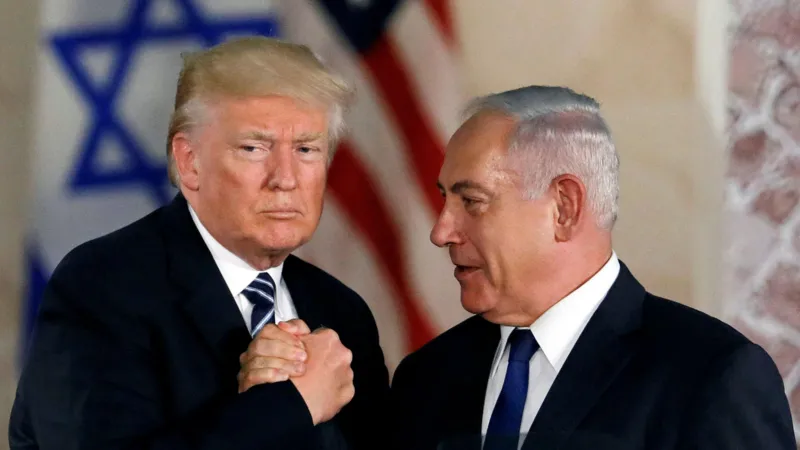

As the conflict in the Middle East escalates into its fifth day, American and Israeli officials are increasingly framing the military operations against Iran as a religious confrontation. This narrative was amplified recently by remarks from US political figures, including US Secretary of State Marco Rubio, who described Iran as governed by “religious fanatic lunatics” with ambitions for nuclear armament. This rising use of theological language has drawn criticism from various quarters, particularly from advocacy groups representing Muslim communities.
Military Language and Implications
The Council on American-Islamic Relations (CAIR) condemned the Pentagon’s rhetoric, warning that such expressions could be seen as inflammatory and anti-Muslim. Reports have surfaced that US military personnel have been informed that the ongoing conflict is part of a divine plan intended to lead to the biblical “end times,” specifically referring to Armageddon. In emails sent to the Military Religious Freedom Foundation (MRFF), service members indicated that commanders had stressed the religious motivations behind the conflict, citing biblical texts as part of this messaging.
Political Leaders Invoke Biblical References
Israeli Prime Minister Benjamin Netanyahu also employed religious narratives, likening Iran to the ancient Amalekites, a biblical group traditionally viewed as an embodiment of evil. This reference aims to justify Israel’s military operations, drawing parallels with historical grievances and divine commands. These remarks have raised alarms, especially among commentators concerned about the ethical consequences of invoking such narratives in modern warfare.
Public Reactions and Critique
Critics, including CAIR, have expressed concern that this type of rhetoric serves to garner public approval for military actions by framing them as righteous battles against evil forces. The implications of using such charged language complicate the perception of the conflict, making it harder to address issues of war and peace in a rational and diplomatic manner. Observers note that religious framing may bolster domestic support but risks escalating tensions further.
Scholarly Perspectives on Religious Framing
Experts in conflict studies have remarked on the multifaceted reasons behind the religious framing of this conflict. Jolyon Mitchell, a professor at Durham University, commented that many actors on both sides manipulate religious beliefs to underscore their actions. Such narratives often foster a dichotomy between good and evil, complicating peace-building efforts after the conflict subsides.
Ibrahim Abusharif, an associate professor at Northwestern University, emphasized that religious rhetoric can energize political support while simultaneously embedding the conflict in an impenetrable moral narrative.
Historical Context of Religious Language in Warfare
The intertwining of religious language with military action is not unique to this conflict. Historically, US presidents and political leaders have invoked such rhetoric during military engagements.
An example from the past includes remarks made by President George W. Bush, who described the war on terrorism in terms that echoed religious crusades. While efforts were made to clarify the intentions behind such language, the use of religious imagery has often made political negotiations more precarious.
The Stakes of Rhetorical Choices in Conflict
As the rhetoric surrounding the US-Israel-Iran conflict continues to evolve, observers caution that this militaristic framing could render future compromises more challenging. The war itself is fundamentally rooted in geopolitical dynamics; however, the language employed by officials could lead to increased expectations and a perception of the conflict as an existential struggle, complicating any diplomatic resolutions. The evolving narrative presents significant risks for sustained peace efforts in the region.