


Why Rajasthan Is Becoming a New Hotspot for Steppe Eagles
The CSR Journal Magazine

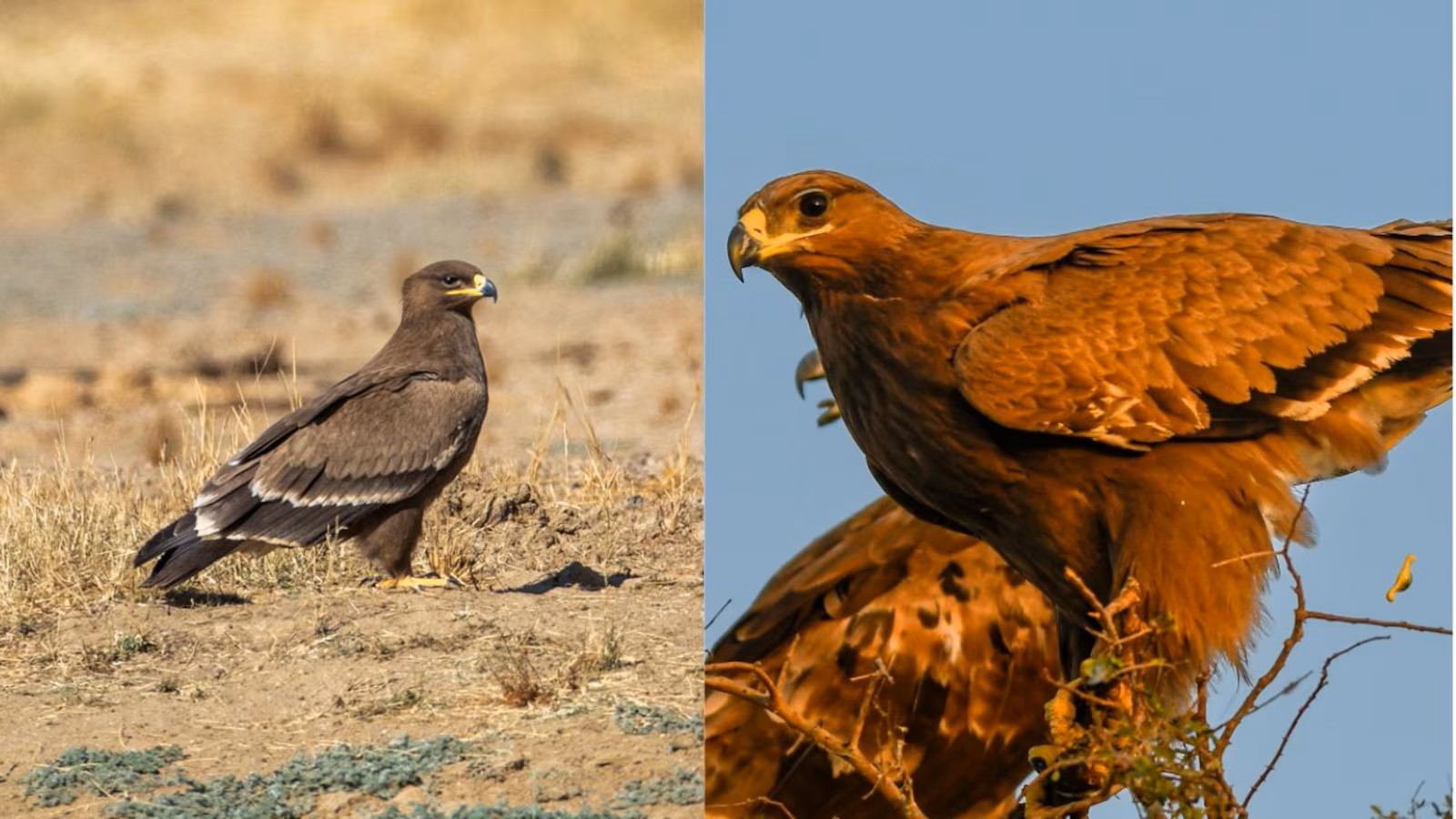
Every winter, a significant number of steppe eagles embark on extensive migrations from the frigid grasslands of Kazakhstan and Mongolia to warmer regions in South Asia and Africa, including countries like Iran and Iraq. This year, wildlife observers in Rajasthan have reported an unusual occurrence: a higher-than-normal presence of these majestic raptors in areas such as Bikaner and Jaisalmer. Researchers suggest that this anomaly may be linked to ongoing conflicts in regions like Iran, affecting the birds’ migratory patterns.

Characteristics of Steppe Eagles

Steppe eagles are large birds of prey with wingspans exceeding two meters. While their breeding grounds are primarily in central Asian nations—including Kazakhstan, Russia, and Mongolia—they undertake annual migrations southward as winter approaches. Due to a significant decline in their populations over recent decades, they are now classified as Endangered on the IUCN Red List. This decline is attributed to various threats such as habitat loss, collisions with power lines, human persecution, and illegal trafficking of wildlife.

Migration Routes of Steppe Eagles

The migratory routes of steppe eagles from central Kazakhstan include two main pathways: the Afro-Eurasian route and the central Asian route. The central Asian route passes through the Arctic and Siberia, moving across Kazakhstan into South Asia. India is strategically located along this flyway, making its protected areas critical buffer zones, especially when conflicts disrupt the eastern sections of their journey.

Reasons for the Increased Eagles in Rajasthan

Each autumn, steppe eagles undertake extensive migrations that can span up to 30 countries throughout Eurasia and Africa. Their flight path typically includes Azerbaijan, Armenia, Iran, and Afghanistan before arriving in India and Nepal. Historically, Iran and Iraq have functioned as essential transit points and wintering grounds for these raptors, where they find ample food in locations like slaughterhouses and wetlands. However, ongoing instability due to conflicts, particularly those related to U.S. military actions, is disrupting their traditional migratory routes. Experts note that heightened aerial activity and unstable conditions on the ground are likely steering the birds eastward into the relative safety of India’s Thar Desert.

Rajasthan as a Sanctuary for Eagles

Rajasthan’s western region has emerged as a vital sanctuary for eagles. The Jorbeer Conservation Reserve near Bikaner and the Desert National Park near Jaisalmer have been incorporated into the Global Action Plan for the Conservation of the Steppe Eagle for 2026–2035, a significant international initiative. Recent surveys have recorded over 2,000 steppe eagles in these areas. The increasing numbers of steppe eagles in Rajasthan can be attributed to the favorable conditions that this region offers, making it an ideal stopover for these migratory birds. This trend underlines India’s growing significance as a host for various migratory bird species, highlighting the necessity of continued conservation efforts to support one of the world’s most at-risk eagle species.

Long or Short, get news the way you like. No ads. No redirections. Download Newspin and Stay Alert, The CSR Journal Mobile app, for fast, crisp, clean updates!

App Store –  https://apps.apple.com/in/app/newspin/id6746449540 

Google Play Store – https://play.google.com/store/apps/details?id=com.inventifweb.newspin&pcampaignid=web_share

Latest News

Popular Videos
