


app-store-logo
play-store-logo
February 28, 2026

Why Electric Scooters Thrive While Electric Bikes Struggle in India?
The CSR Journal Magazine

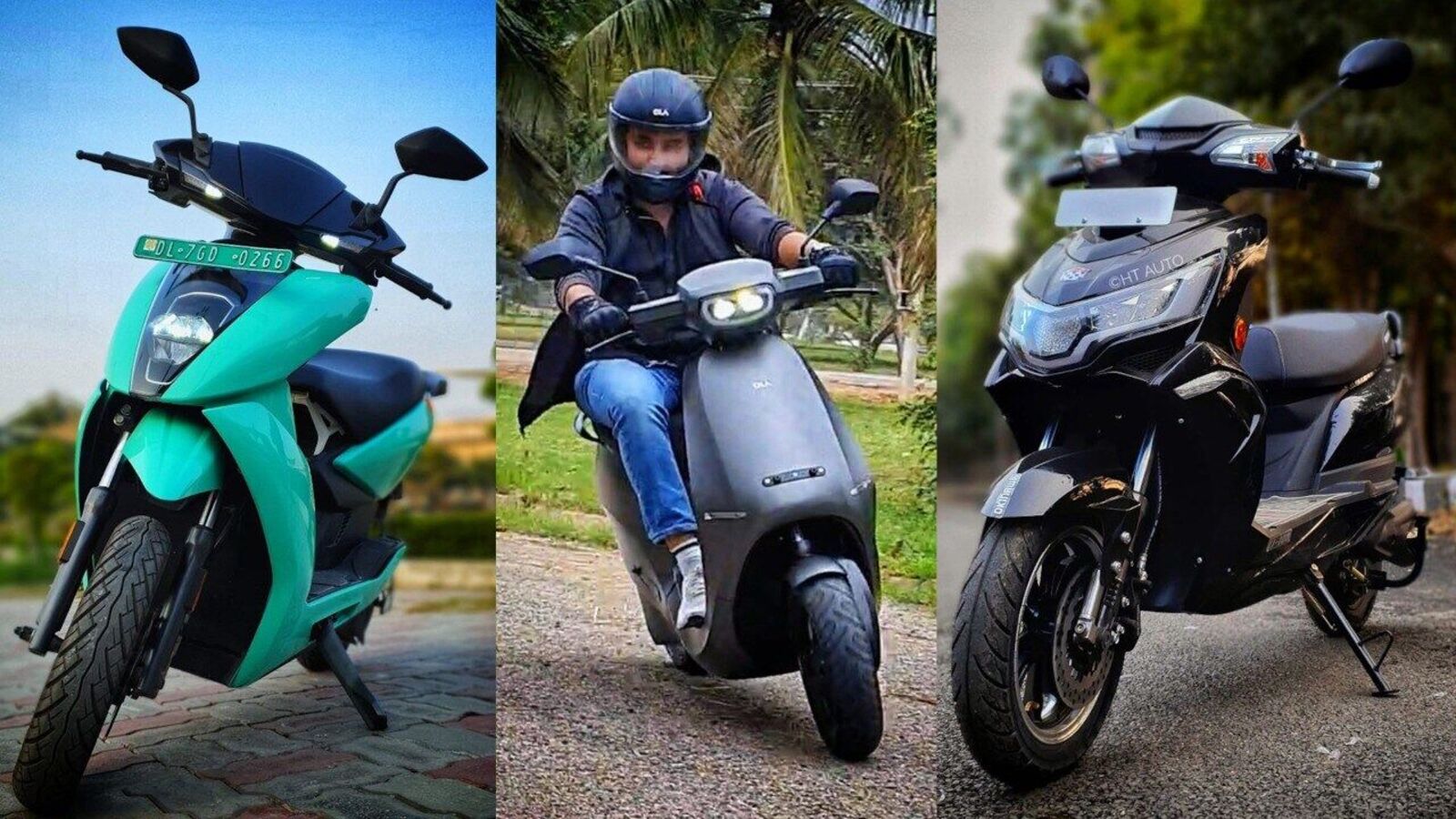
Electric scooters have become a common sight on Indian roads, with a wide range of companies, including startup innovators like Ola Electric and Ather Energy, as well as established players such as Hero MotoCorp, TVS Motor Company, Bajaj Auto, and Honda Motorcycle and Scooter India, adding electric scooters to their offerings.

However, the landscape for electric motorcycles remains quite limited. Apart from a few performance-oriented brands like Ultraviolette Automotive, known for its F77 and upcoming X47 models, and Royal Enfield’s electric sub-brand Flying Flea, which is set to release the Flying Flea C6 and the S6 scrambler soon, there is a noticeable lack of mass-market electric motorcycle plans from major manufacturers.

Challenges in Development

The disparity between electric scooters and motorcycles can be attributed to the greater complexity involved in research and development. Electric motorcycles face more significant challenges in mass adoption due to high R&D demands, cost issues, and limited technology options. These factors lead to cautious strategies adopted by established original equipment manufacturers (OEMs).

The expectations for motorcycle performance differ substantially from those of scooters. While scooters are optimized for city commuting with modest speed and power requirements, motorcycles are expected to deliver superior acceleration, higher speeds, and sustained performance on highways. Niraj Rajmohan, Co-Founder and CTO of Ultraviolette, recently emphasized these technical hurdles, outlining that creating battery packs capable of offering 30kW to 50kW of power is an intricate challenge that requires careful engineering.

Consumer Preferences Shape Demand

Electric scooters have successfully established themselves as practical and utilitarian modes of transport. They are designed for ease of use, making them suitable for daily commuting. A key advantage is their storage solutions, typically located under the seat, which allow riders to carry groceries and other items effortlessly.

Additionally, electric scooters are often more family-oriented, featuring comfortable riding positions and ample seating to appeal to a broad demographic. In terms of economics, electric scooters replace petrol scooters directly used for commuting, offering low running costs while prioritizing savings on fuel and ease of home charging. In contrast, motorcycle buyers focus more on power, range, and emotional appeal. Matching the performance of internal combustion engine (ICE) motorcycles necessitates larger, more expensive batteries that can significantly escalate costs.

Business Considerations Favor Scooters

For legacy automotive manufacturers, investing in electric scooters represents a less risky business venture. The scooter market dominates India’s urban commuting landscape, with electrification aligning seamlessly with city riding patterns characterized by frequent stops.

Existing dealer networks and production lines can be adapted more effectively for electric scooters than for entirely new high-performance motorcycle designs. Motorcycles, especially those in the 150cc and above category, cater to a price-sensitive market, and transitioning to electric within this segment requires substantial technology investments and a rebranding effort that manufacturers prefer to approach gradually.

Range and Performance Expectations

Range anxiety also plays a critical role in consumer decisions. Electric scooters, primarily viewed as urban vehicles, typically possess a range of 100 to 150 kilometers, which is generally acceptable for daily use. Conversely, motorcycles are seen as aspirational vehicles often used for longer journeys, where buyers expect more versatility. Current battery technology struggles to meet these expectations without adding significant weight, which can adversely affect the balance and handling that are essential for a satisfactory riding experience.

Future Outlook for Electric Motorcycles

Many legacy manufacturers appear to be adopting a phased approach to electric vehicle deployment, beginning with scooters to learn the dynamics of the EV ecosystem while stabilizing supply chains and reducing costs. The introduction of Royal Enfield’s Flying Flea indicates that motorcycle manufacturers are preparing diligently for the electric future.

Although electric motorcycles are not absent from the market, their development is more intricate compared to scooters. Startups such as Ultraviolette are concentrating on performance models initially, while established companies solidify their presence in the scooter segment. As battery technology advances and infrastructure improves, the environment for electric motorcycles may enhance; however, scooters continue to dominate India’s electric vehicle landscape. The future of electric bicycles hinges on addressing the technical and economic challenges ahead.

Long or Short, get news the way you like. No ads. No redirections. Download Newspin and Stay Alert, The CSR Journal Mobile app, for fast, crisp, clean updates!

App Store –  https://apps.apple.com/in/app/newspin/id6746449540 

Google Play Store – https://play.google.com/store/apps/details?id=com.inventifweb.newspin&pcampaignid=web_share

Latest News

Popular Videos
