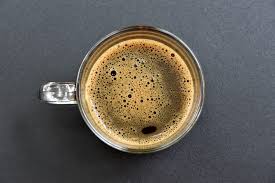
When enjoying a cup of tea or coffee, many people notice the formation of bubbles on the liquid’s surface. This phenomenon leads to a layer of foam that might seem purely aesthetic. However, the presence of these bubbles is rooted in scientific principles, particularly related to the interactions of gases and liquids.
The Role of Surface Tension
Surface tension plays a crucial part in the creation of bubbles. It is the result of cohesive forces between liquid molecules. In beverages like tea and coffee, these forces cause the liquid to form spherical shapes when small air pockets are trapped. As the beverage is poured or stirred, air becomes incorporated into the liquid, leading to the rise of bubbles.
The Impact of Temperature
Temperature variations significantly influence the formation of bubbles in both tea and coffee. Hot beverages hold a larger amount of dissolved gases compared to colder ones. As the temperature rises, these gases are released more readily, leading to an increase in bubble formation. This is especially true for coffee, where the brewing process involves hot water extractive methods that maximize gas solubility.
How Volume and Agitation Contribute
The method of preparation and the volume of the liquid also affect bubble creation. When coffee is brewed, the agitation from bubbling action during brewing enhances gas release and foam formation. Similarly, when tea is brewed, the movement of water and tea leaves allows for the formation of bubbles. The type of tea or coffee beans used can further impact the volume and texture of bubbles due to their unique compositions.
Compounds Affecting Bubble Stability
Various compounds found in tea and coffee contribute to bubble stability and formation. In coffee, oils from the beans interact with air and contribute to the frothy layer. In tea, certain proteins present in the leaves can enhance the foam’s texture and lifespan. This combination of substances establishes a unique foamy surface that varies between different types of tea and coffee.
The Role of Additives
Additives, such as milk or sugar, also affect the bubbling phenomenon. When milk is added to coffee, proteins from the milk can create a richer foam. Sugar, although it can inhibit bubble formation, often enhances the overall texture of the beverage. These interactions can change how the drink appears and influences the sensory experience of consumption.
Scientific Exploration of Bubbles
The study of bubbles in liquids extends into scientific research realms, where it is viewed through physics and chemistry lenses. Researchers investigate how the dynamics of bubbles impact various factors, including flavor perception and aroma release. Understanding these aspects is vital for enhancing the overall drinking experience.
Conclusion on the Phenomenon
Bubbles in tea and coffee serve more than mere visual appeal; they are a fascinating example of physics and chemistry at work. Their formation involves a blend of surface tension, temperature, agitation, and the presence of specific compounds. Each of these elements plays a significant role in creating the signature layer of bubbles that enhances the enjoyment of these beloved beverages.