


app-store-logo
play-store-logo
March 1, 2026

Who is Mojtaba Khamenei? Potential Successor to Iran’s Supreme Leader
The CSR Journal Magazine

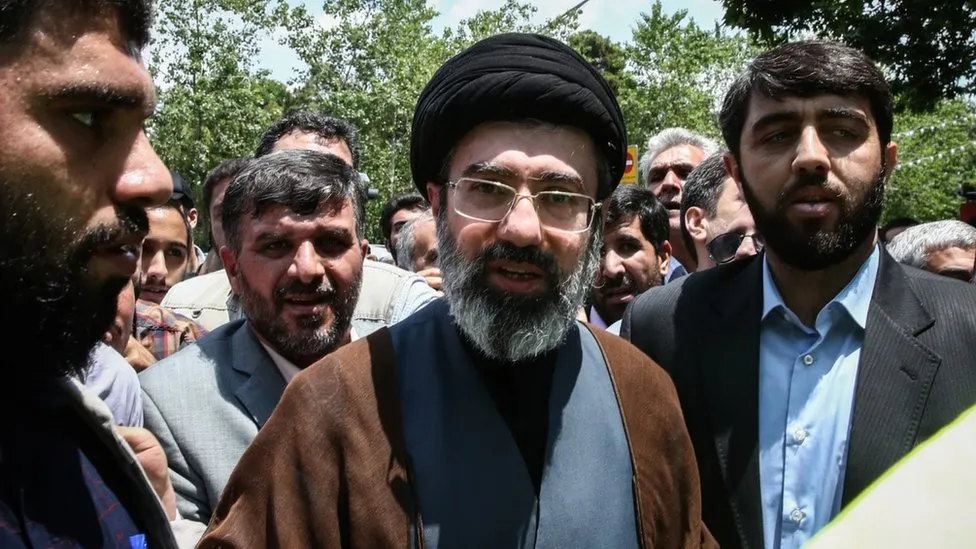
Mojtaba Khamenei, aged 56, has emerged as a significant figure amidst the leadership vacuum following the death of Iranian Supreme Leader Ayatollah Ali Khamenei in recent US-Israeli strikes. The late leader’s passing ignited discussions regarding potential successors, with Mojtaba, his second-eldest son, coming into focus. Known for operating largely behind the scenes, he has been seen as a powerful player within Iran’s political framework. Senior Iranian official Ali Larijani has indicated that a temporary leadership mechanism will be established to maintain order during this transition period. This provisional council will consist of the president, the judiciary head, and a jurist from the Guardian Council until a new Supreme Leader is appointed.

Early Life and Education

Born in Mashhad in 1969, Mojtaba Khamenei grew up during the tumultuous years leading up to the 1979 Islamic Revolution, a time that greatly shaped his political views. His father faced numerous arrests and exiles under the regime of Shah Mohammad Reza Pahlavi. After the revolution, the family relocated to Tehran, where Mojtaba attended the prestigious Alavi High School, known for its association with future political elites. He later pursued theological studies in both Tehran and Qom, where he was mentored by notable clerics, including Ayatollah Mohammad-Taqi Mesbah Yazdi.

Influence in the Iranian Regime

Though Mojtaba has not attained the rank of ayatollah, he is regarded as a significant influence in the Office of the Supreme Leader. His role has often been likened to that of Ahmad Khomeini, the son of the founder of the Islamic Republic, who was an essential advisor during his father’s leadership. Mojtaba’s influence is attributed in part to his connections with the Islamic Revolutionary Guard Corps (IRGC). His service in the Habib Battalion during the Iran-Iraq War allowed him to forge important relationships with key figures in Iran’s security forces.

Political Dynamics and Challenges

Mojtaba Khamenei has faced numerous accusations from political adversaries and external observers regarding his involvement in electoral matters and governmental repression. His status brought him U.S. sanctions in 2019, where he was linked to authority delegation from his father, despite lacking an official elected position. Although he remains close to power, the pathway to succession is fraught with challenges. The Iranian constitution stipulates that the Supreme Leader must be a senior cleric endowed with recognized religious authority. As Mojtaba does not hold the title of ayatollah, this creates a barrier in his bid for succession, especially given the historical context of Iran’s rejection of hereditary rule.

Future Prospects for Succession

Despite the hurdles, analysts suggest that Mojtaba’s established relationships within the IRGC and broader security apparatus could enhance his chances, particularly if influential factions choose to back him. In recent years, there have been unconfirmed attempts to elevate his religious standing within clerical circles. Nonetheless, resistance remains among certain elements within the clerical establishment. Iran’s 88-member Assembly of Experts is designated with the responsibility of selecting the next Supreme Leader. This body will evaluate eligible candidates, ensuring selections meet necessary religious and political criteria. Interim leadership may be employed to maintain governance while the Assembly deliberates on the successor.

Long or Short, get news the way you like. No ads. No redirections. Download Newspin and Stay Alert, The CSR Journal Mobile app, for fast, crisp, clean updates!

App Store –  https://apps.apple.com/in/app/newspin/id6746449540 

Google Play Store – https://play.google.com/store/apps/details?id=com.inventifweb.newspin&pcampaignid=web_share

Latest News

Popular Videos
