


Who Are the Baloch? The 2,000-Year-Old Tribe Few Truly Understand — History, Identity & Untold Story

The CSR Journal Magazine

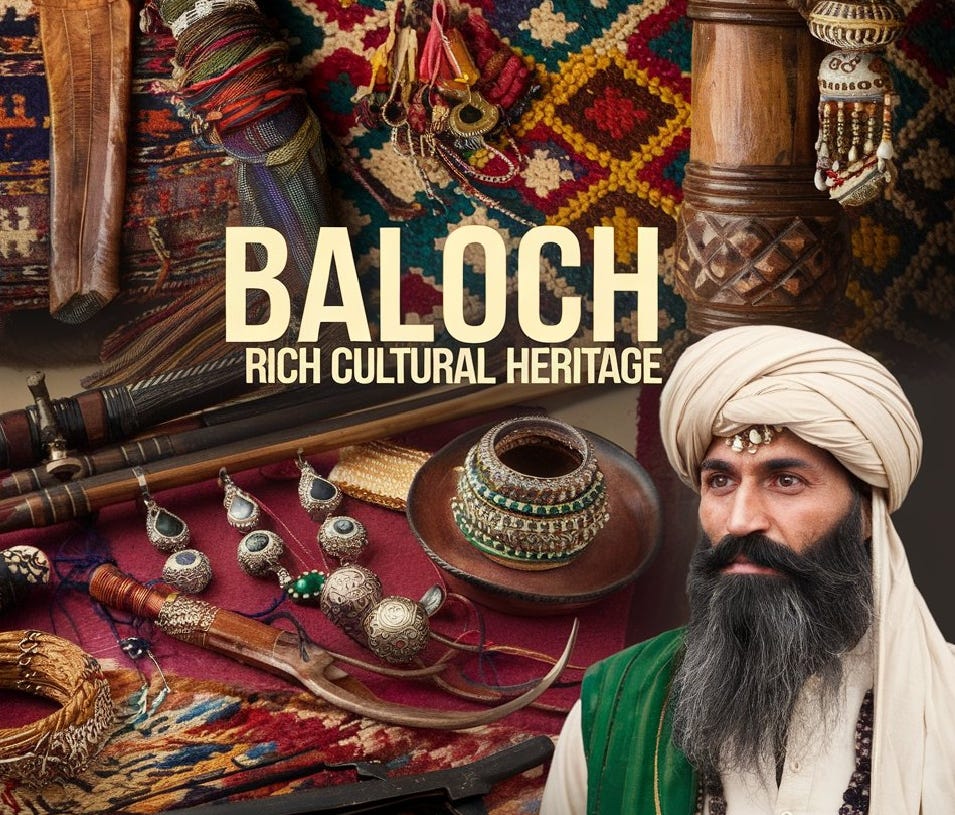
The Baloch community boasts a rich history extending over two thousand years and plays a significant role in the contemporary socio-political landscape of the region. The tribe’s narrative is characterized by consistent migration, tribal conflicts, and a series of invasions. Despite these challenges, the Baloch people have preserved their cultural identity and way of life. Today, they primarily reside in Pakistan and Iran, recognized throughout history for their resilience as fighters and their strong tribal affiliations.

The Baloch are of Iranian ancestry and communicate using the Balochi language. Historically, their migrations initiated from areas surrounding the Caspian Sea, leading them to Sistan, Makran, and eventually to the territory recognized as Balochistan. A considerable population now inhabits Pakistan’s Balochistan province, while others reside in Sindh and Punjab, marking the Baloch as one of the enduring communities in the region.

Origins and Migration

Scholars trace the origins of the Baloch back to the regions near the Caspian Sea, ancient Iran, and Central Asia. The Baloch are often linked with the Medes and were integrated into early Persian tribal and military systems. Historical documentation frequently depicts them as warriors rather than rulers, highlighting their involvement in various Persian military campaigns and literary works like the Shahnama. The continuous pressures from prevailing empires prompted the Baloch to migrate eastward, establishing themselves in Makran, Sistan, and ultimately the Balochistan area.

Impact of the Islamic Era

The advent of Islam in the 7th century marked a significant transition for the Baloch people. Many accepted the new religion and joined Arab military forces, with groups relocating to regions such as Syria and Iraq. Notable leaders from this period, including Siyah al-Sawar, emerged as Baloch factions became integrated into the military and political frameworks of early Islamic society. This integration, however, was not without strife. Following the Battle of Karbala and the rise of Umayyad power, many Baloch faced renewed pressures, which led to further migrations toward Iran and Balochistan.

By the medieval era, they had expanded into South Asia, particularly settling in Sindh and Punjab from the 12th to the 15th centuries. Tribal confederacies began to form during this time, with influential leaders like Jalal Khan organizing communities and figures such as Mir Chakar Rind extending their authority into regions like Multan.

Colonial Era Changes

The arrival of colonial powers drastically altered the political dynamics in the region. The Khanate of Kalat, once a significant center of power, lost its autonomy as British control began to encompass Baloch territories. Even though the British acknowledged certain tribal authorities, they also imposed new borders and governmental structures that undermined traditional power systems. The repercussions of this colonial restructuring contributed to long-standing tensions within the region.

Post-Independence Tensions

The establishment of Pakistan in 1947 marked another pivotal moment for the Baloch. Balochistan was incorporated into the new state, yet this transition was met with resistance, beginning with the accession of the princely state of Kalat, which triggered the first Baloch uprising shortly after independence. Subsequent decades were marked by several insurrections in 1948, the late 1950s, the 1960s, and into the 1970s, primarily driven by aspirations for autonomy, resource control, and political representation. In recent years, the region has continued to face unrest as Baloch groups raise concerns about developmental initiatives, issues of representation, and reports of human rights violations.

Enforced disappearances and military operations have perpetuated instability, maintaining a cycle of tension. The historical identity of the Baloch remains intricately connected to their tribe, land, and a comprehensive memory of displacement and resistance, positioning them as a significant yet contentious community within Pakistan today.

Long or Short, get news the way you like. No ads. No redirections. Download Newspin and Stay Alert, The CSR Journal Mobile app, for fast, crisp, clean updates!

App Store –  https://apps.apple.com/in/app/newspin/id6746449540 

Google Play Store – https://play.google.com/store/apps/details?id=com.inventifweb.newspin&pcampaignid=web_share

Latest News

Popular Videos