


app-store-logo
play-store-logo
January 26, 2026

What Is Thyroid Cancer? Factors You Didn’t Know Could Increase Risk
The CSR Journal Magazine

Thyroid cancer cases are being reported more frequently across the world, but doctors say this rise is largely due to better diagnostic tools, routine health screenings, and growing awareness. Advances in imaging and regular check-ups are helping physicians identify the disease much earlier than before. Experts point out that most thyroid cancers grow slowly and respond well to treatment when caught in time, significantly improving survival and quality of life.

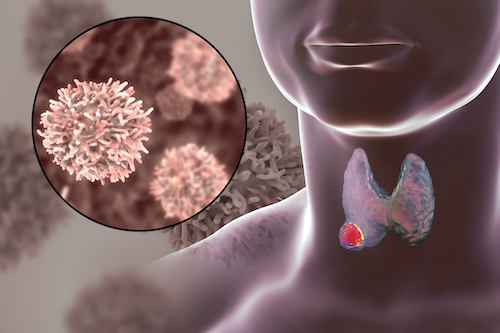
The thyroid is a small, butterfly-shaped gland located at the front of the neck. Despite its size, it plays a vital role in regulating metabolism, heart rate, energy levels, and body temperature. Cancer develops when thyroid cells begin to multiply abnormally, sometimes forming nodules or lumps, a small proportion of which can be malignant.

What Is Thyroid Cancer?

Thyroid cancer occurs when abnormal cells in the thyroid grow uncontrollably. While most thyroid nodules are non-cancerous, a small percentage can turn malignant. Papillary thyroid cancer is the most common form and generally has an excellent prognosis if treated early, according to oncologists.

“Thyroid cancer is one of the cancers where early diagnosis can completely change the outcome,” says Dr. Rajesh Kumar Jain, Principal Director of Surgical Oncology at BLK-Max Super Speciality Hospital. With timely treatment, many patients are able to return to normal, healthy lives.

Key Risk Factors You Should Know

One of the strongest risk factors is past radiation exposure, especially to the head, neck, or upper chest during childhood. This may result from radiation therapy for other medical conditions. People with such exposure are advised to undergo regular thyroid monitoring.

Family history and genetics also play an important role. Individuals with close relatives diagnosed with thyroid cancer, or inherited conditions like familial medullary thyroid carcinoma, face a higher risk and should be under closer medical surveillance.

Gender and hormonal factors matter as well. Thyroid cancer is more common in women, particularly between the ages of 30 and 60. Persistent symptoms such as neck lumps, voice changes, or swallowing difficulties should not be ignored.

Lifestyle, Nutrition, and Other Risks

Long-term iodine deficiency has been linked to thyroid disorders, including cancer. Using iodised salt generally meets daily iodine needs, while experts caution against unsupervised supplementation.

People with pre-existing thyroid nodules or goitre face a slightly higher risk, especially if nodules grow rapidly or hormone levels remain abnormal. Obesity and sedentary lifestyles have also been associated with increased risk in several studies.

Finally, age and environmental exposures may contribute. Thyroid cancer can occur at any age but is often diagnosed in young to middle-aged adults and again later in life. Researchers continue to study the impact of environmental pollutants.

When to Seek Medical Help

Doctors recommend evaluation for new or enlarging neck lumps, persistent hoarseness, difficulty swallowing or breathing, or a strong family history of thyroid cancer. Early awareness and timely medical attention remain the most effective tools against the disease.

Long or Short, get news the way you like. No ads. No redirections. Download Newspin and Stay Alert, The CSR Journal Mobile app, for fast, crisp, clean updates!

App Store – https://apps.apple.com/in/app/newspin/id6746449540

Google Play Store – https://play.google.com/store/apps/details?id=com.inventifweb.newspin&pcampaignid=web_share

Latest News

Popular Videos
