


app-store-logo
play-store-logo
March 13, 2026

What Is Panic Buying? Causes, Effects, and Why People Hoard Supplies
The CSR Journal Magazine

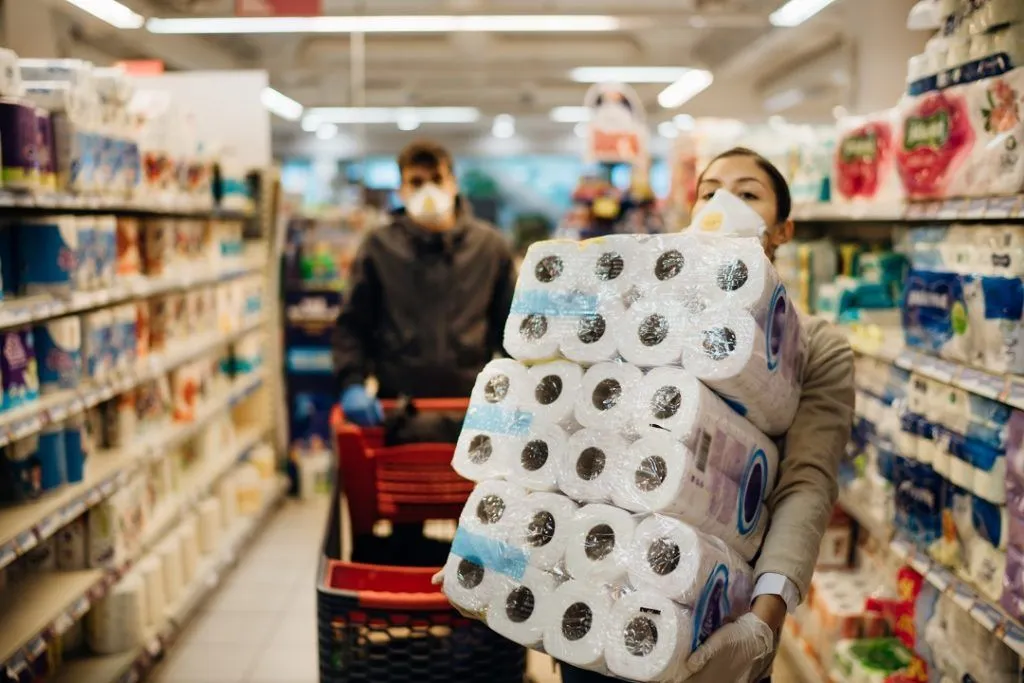
Panic buying is characterized by the sudden and often excessive purchase of essential goods during times of uncertainty, such as crises, natural disasters, or economic upheaval. Individuals frequently react to perceived threats to the availability of supplies by buying more than they typically would. This creates an unexpected surge in demand that can overwhelm standard supply chains, resulting in empty shelves in retail stores. Interestingly, the widespread fear of shortages can lead to actual shortages, as seen during various emergencies, notably the COVID-19 pandemic, when essential items like toilet paper and food items quickly disappeared from shelves.

Reasons Behind Panic Buying

Several factors contribute to the occurrence of panic buying in times of crisis. A primary motivator is the feeling of potential scarcity; the belief that certain products may soon be unavailable prompts consumers to act quickly to secure supplies. Additionally, the ambiguity of a crisis often leads to anxiety, compelling individuals to engage in behaviors that provide a sense of security. Psychologists suggest that panic buying may serve as a coping strategy, granting individuals a feeling of control over an unpredictable situation. Moreover, the influence of social behavior plays a significant role; witnessing others stockpiling can encourage similar actions among individuals. Historical instances, such as the rush for essential products during the COVID-19 pandemic and before severe weather events, exemplify this buying pattern.

The Effects of Panic Buying on Supply Chains

The implications of panic buying extend across the entire supply chain. Retailers frequently face empty shelves as they struggle to restock items in response to unexpectedly high demand. Supply systems are generally structured to handle normal purchasing activity, making it challenging to adjust quickly to sudden spikes in demand. Additionally, prices for essential goods may increase temporarily as a result of heightened demand, placing economic strain on consumers. Moreover, panic buying can generate waste, particularly when individuals purchase more perishable items than they can consume. For businesses, the unanticipated increase in demand can stress logistical operations, inventory management, and workforce efficiency. To mitigate these situations, both retailers and authorities often implement strategies such as purchase limits, improved communication about supply levels, and initiatives aimed at maintaining public confidence in the availability of goods.

Psychological Aspects of Panic Buying

Panic buying is not merely a reflection of consumer behavior but is deeply rooted in psychological responses to uncertainty. Emotions such as fear and the desire for social conformity drive individuals to stockpile items in an attempt to feel more secure during chaotic periods. The need for reassurance during crises often results in collective actions that can exacerbate the very shortages people seek to avoid. Effective communication from both government entities and retailers can play a critical role in alleviating panic and sustaining supply chain stability in times of emergency. By fostering transparency about supply levels and addressing public concerns, the potential for widespread panic buying may be significantly reduced.

Long or Short, get news the way you like. No ads. No redirections. Download Newspin and Stay Alert, The CSR Journal Mobile app, for fast, crisp, clean updates!

App Store –  https://apps.apple.com/in/app/newspin/id6746449540 

Google Play Store – https://play.google.com/store/apps/details?id=com.inventifweb.newspin&pcampaignid=web_share

Latest News

Popular Videos
