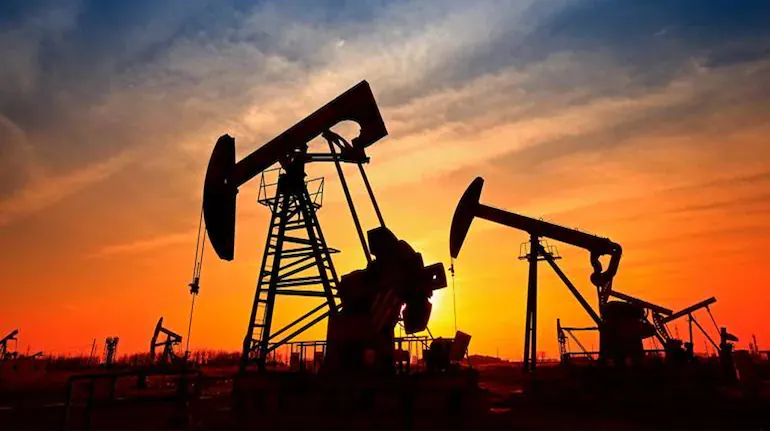
Venezuela boasts the largest proven oil reserves globally, officially estimated at approximately 303 billion barrels, which accounts for about 17 percent of the world’s total crude oil. The majority of these reserves are situated in the Orinoco Belt, an area characterized by dense and heavy oil. The significant size of these reserves can be attributed to geological processes that allowed for an abundant accumulation of organic matter, which transformed into hydrocarbons over millions of years.
Production Challenges
Despite possessing these extensive reserves, Venezuela faces considerable challenges regarding consistent oil production and economic stability. In recent years, the country has experienced a substantial decline in production from historical highs, with active physical infrastructure becoming outdated. Moreover, much of the crude oil extracted requires complex processing before it can enter international markets. Consequently, although the reserve figures remain impressive, various technical, financial, and institutional factors have restricted Venezuela’s actual production capacity and export revenues.
Geological Factors and the Orinoco Belt
The Orinoco Belt’s geological formation plays a crucial role in Venezuela’s oil reserves. This region, located in the country’s southern and eastern areas, consists of sedimentary rock layers that trap significant amounts of organic material. Over millions of years, tectonic plate movements between the Caribbean and South America led to the sinking of parts of eastern Venezuela, creating deep basins. These basins function as natural reservoirs that collected thick layers of sediment, ultimately transforming them into oil-rich deposits.
Additionally, sediment carried by rivers originating from the Andes contributed organic material to these basins, forming substantial oil reserves. Cycles of rising and falling sea levels in the region also preserved this buried organic matter, as low-oxygen conditions in shallow seas inhibited its complete decay. Faults and structural traps caused by tectonic forces further helped in retaining vast amounts of hydrocarbons within these geological formations.
Nature of the Oil Reserves
The majority of Venezuela’s oil reserves consist of extra-heavy crude, known for its density and viscosity, which complicates extraction and refining processes. This type of oil is more challenging to handle compared to lighter crude grades and requires specialized equipment and complex refining methods before it can be marketed. This presents additional challenges, making extraction and processing more costly compared to lighter hydrocarbons.
Decline in Production Capacity
Venezuela’s actual oil production has fallen sharply in recent decades. In the late twentieth century, the country produced approximately 3.7 million barrels per day, but current production levels have dwindled to around 1 million barrels per day. This figure represents only a fraction of Venezuela’s potential output and is minimal compared to the global totals.
The persistent issues of underinvestment, mismanagement, and international sanctions have left Venezuela’s oil infrastructure significantly weakened. Essential components such as pipelines, wells, and refineries are operating far below their capacity and are in dire need of repairs and technological advancements. Furthermore, international sanctions have limited Venezuela’s access to global markets, financing, and advanced technology, which has curtailed production and deterred potential investments.
The Gap Between Reserves and Wealth
While Venezuela’s oil reserves are substantial, the volume of oil remaining underground translates poorly into economic wealth. The challenges associated with extracting and refining heavy crude oil result in a disconnect between the impressive reserve figures and the tangible economic benefits realized from oil production and exports. The technical and economic limitations present a stark contrast between the nation’s substantial underground oil wealth and the actual wealth that can be leveraged above ground.