


app-store-logo
play-store-logo
March 4, 2026

US Navy May Escort Oil Tankers Amid Rising Tensions in the Strait of Hormuz
The CSR Journal Magazine

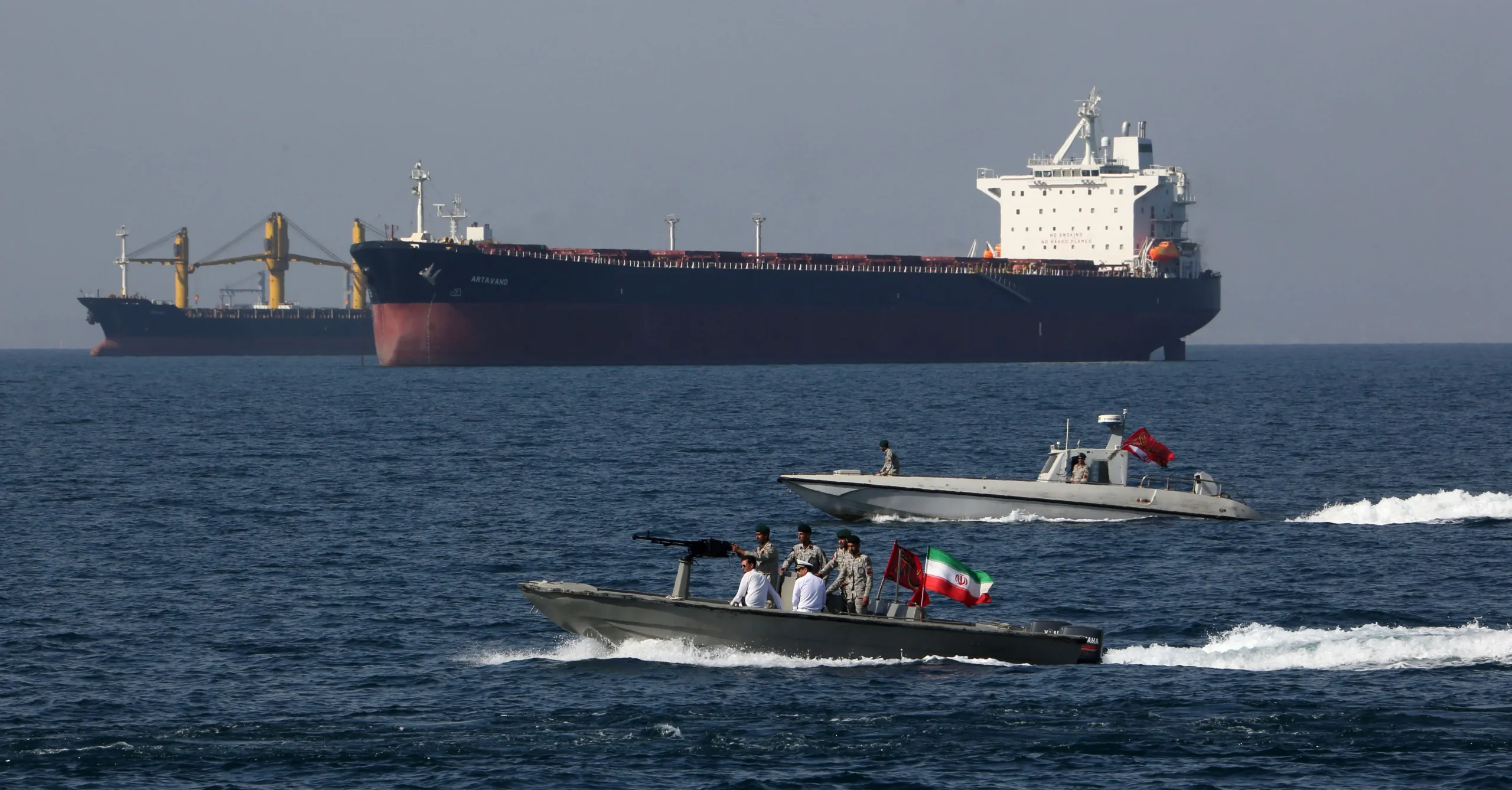
President Donald Trump stated on Tuesday that the US Navy may begin escorting oil tankers through the strategic Strait of Hormuz if required. He also mentioned that he has directed the US International Development Finance Corporation to extend political risk insurance and financial guarantees for maritime operations in the Gulf region.

This development signifies one of the most assertive actions by the administration to address the surging energy prices resulting from escalating conflicts in the Middle East, which have heightened the risks associated with shipping routes in critical waterways.

Impact of Conflict on Global Oil Prices

Global crude oil prices have surged following military actions by Israeli and US forces against Iran, which have disrupted oil tanker operations in the Middle East. The surge in prices has created uncertainty among shipowners and analysts regarding whether military escorts and financial backing from the DFC will be effective in stabilizing the market. The DFC, established in 2019, collaborates with private investors to facilitate projects in developing nations.

Energy Prices and Political Implications

Trump has made reducing fuel costs a key aspect of his economic agenda, indicating a readiness to utilize both financial and military measures to ensure uninterrupted global crude supplies. He conveyed via a social media post, “No matter what, the United States will ensure the free flow of energy to the world.”

On the same day, Treasury Secretary Scott Bessent and Energy Secretary Chris Wright were scheduled to meet with Trump to finalize a strategy in response to the current situation, according to two anonymous sources familiar with the discussions. Trump also stated that while US citizens may face heightened oil prices temporarily, he believes they will decrease significantly once hostilities cease.

Shipping Through the Strait of Hormuz

Significant disruptions have occurred in oil shipping through the Strait of Hormuz, a critical passageway where approximately 20% of the world’s oil is transported. Several tankers have sustained damage due to strikes, leading to a reassessment of risks from shipping companies and insurers alike. Industry sources report that war-risk premiums are rising sharply, with some insurers scaling back their coverage, making voyages through the region increasingly costly. Consequently, operators are postponing trips or exploring alternate routes.

Historical Context of US Naval Support

The provision of insurance for tanker voyages is not a novel measure for the US. During the Iran-Iraq conflict in the 1980s, the US re-flagged tankers and provided naval escorts when private insurers retreated. Furthermore, post-September 11, 2001, the US administration issued insurance policies to maintain shipping activities amid heightened war-risk premiums.

Concerns About Naval Effectiveness

Shipping industry insiders have expressed skepticism regarding the effectiveness of Trump’s proposed plan, emphasizing that the ongoing conflict may continue to deter shippers. As of the recent update, the US Navy had 12 warships, including an aircraft carrier, positioned in the Middle East, which could potentially escort commercial vessels. However, the involvement of these naval assets in offensive operations against Iran could limit their availability for escort duties, raising the risk for vessels navigating the region.

Future Considerations for Shipping

It is plausible that while some vessels may successfully traverse the Strait of Hormuz, attacks could still persist, leaving the shipping industry impacted. Rohit Rathod, a senior analyst at ship-tracking company Vortexa, indicated that while Trump’s initiatives might not guarantee wide-safe passage, individual agreements with Iranian authorities could enable some ships to proceed. Although the Trump administration has been hesitant to utilize the Strategic Petroleum Reserve, officials might reconsider this decision if energy prices continue to escalate.

Broader Implications for Oil Prices

Kevin Book, an energy policy analyst, suggested that solely addressing shipping risks may not effectively halt rising crude prices, as the war could present additional threats to oil production facilities.

Long or Short, get news the way you like. No ads. No redirections. Download Newspin and Stay Alert, The CSR Journal Mobile app, for fast, crisp, clean updates!

App Store –  https://apps.apple.com/in/app/newspin/id6746449540 

Google Play Store – https://play.google.com/store/apps/details?id=com.inventifweb.newspin&pcampaignid=web_share

Latest News

Popular Videos
