


app-store-logo
play-store-logo
March 13, 2026

US Issues License for Purchase of Stranded Russian Oil for 30 Days
The CSR Journal Magazine

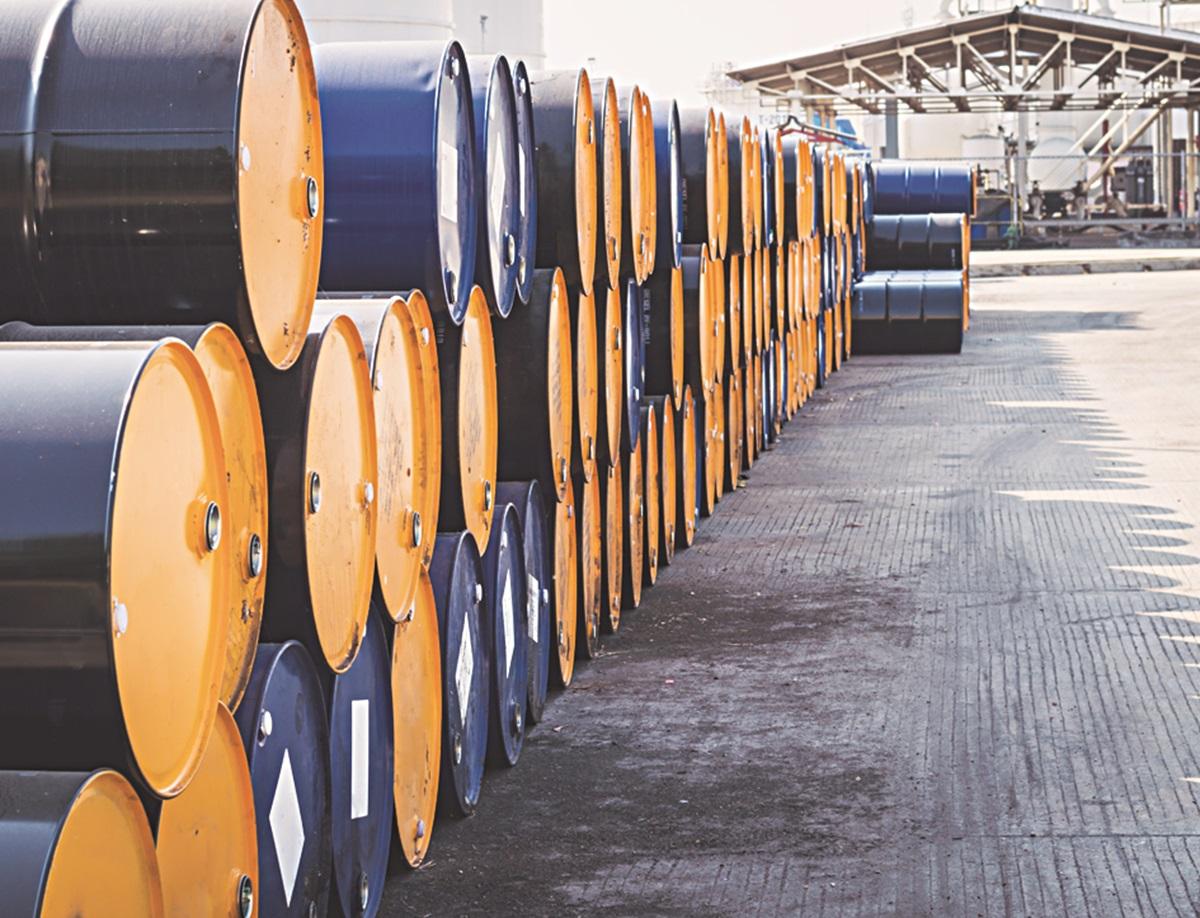
The United States government has announced a temporary 30-day license permitting nations to purchase Russian oil and petroleum products currently stranded at sea. This decision, articulated by Treasury Secretary Scott Bessent, is intended to stabilize global energy markets that have been affected by the ongoing conflict in Iran. The announcement follows the US Energy Department’s earlier statement regarding the release of 172 million barrels of oil from the strategic petroleum reserve, aimed at mitigating soaring oil prices associated with the war in the Middle East.

This release is part of a coordinated action by the International Energy Agency, comprising 32 nations, to deploy a total of 400 million barrels of oil in response to unprecedented disruptions to oil supply stemming from the regional conflict. In a statement released shortly after benchmark oil prices surged past $100 a barrel, Bessent described the newly issued license as “narrowly tailored” and “short-term,” emphasizing that it would not provide a substantial financial benefit to the Russian government.

Bessent remarked that the rise in oil prices represents a temporary situation, claiming that the long-term effects would result in significant advantages for the US economy. The license, applicable to the delivery and sale of Russian crude and petroleum products loaded onto vessels as of March 12, will remain valid until midnight Washington time on April 11, according to official documents from the Treasury Department.

Prior to this announcement, the US Treasury had granted a similar 30-day exemption on March 5, specifically addressing India’s capability to purchase Russian oil held at sea. In addition to this new measure, the Trump administration has taken further action to lower energy prices. It has mandated the US International Development Finance Corporation to offer political risk insurance and financial guarantees for maritime trade in the Gulf region, alongside the possibility of deploying the US Navy to escort shipping vessels.

In an effort to enhance price control, there are considerations within the White House to temporarily waive the Jones Act, which regulates maritime transportation between US ports. This waiver could allow foreign vessels to transport fuel within the US, potentially reducing costs and accelerating delivery times. White House Deputy Chief of Staff Stephen Miller stated that the president is taking comprehensive actions to lower prices, stressing the importance of accessing unsanctioned oil at sea to improve market availability.

As of the latest updates, approximately 124 million barrels of Russian-origin oil are reported to be on various vessels across 30 locations worldwide. The US license is projected to provide about five to six days of supply when considering daily losses through the Strait of Hormuz. Earlier statements from President Trump indicated that the United States could derive considerable revenue from the rising oil prices brought about by the conflict, a sentiment that has drawn criticism from certain lawmakers regarding its implications for wealth disparities.

Escalating regional tensions due to US and Israeli military actions in Iran, coupled with Iran’s threats to block oil shipments from the Gulf in retaliation, have disrupted crucial oil and gas flows from the Middle East. These developments further complicate the already volatile landscape of global energy markets and contribute to rising energy costs worldwide.

Long or Short, get news the way you like. No ads. No redirections. Download Newspin and Stay Alert, The CSR Journal Mobile app, for fast, crisp, clean updates!

App Store –  https://apps.apple.com/in/app/newspin/id6746449540 

Google Play Store – https://play.google.com/store/apps/details?id=com.inventifweb.newspin&pcampaignid=web_share

Latest News

Popular Videos
