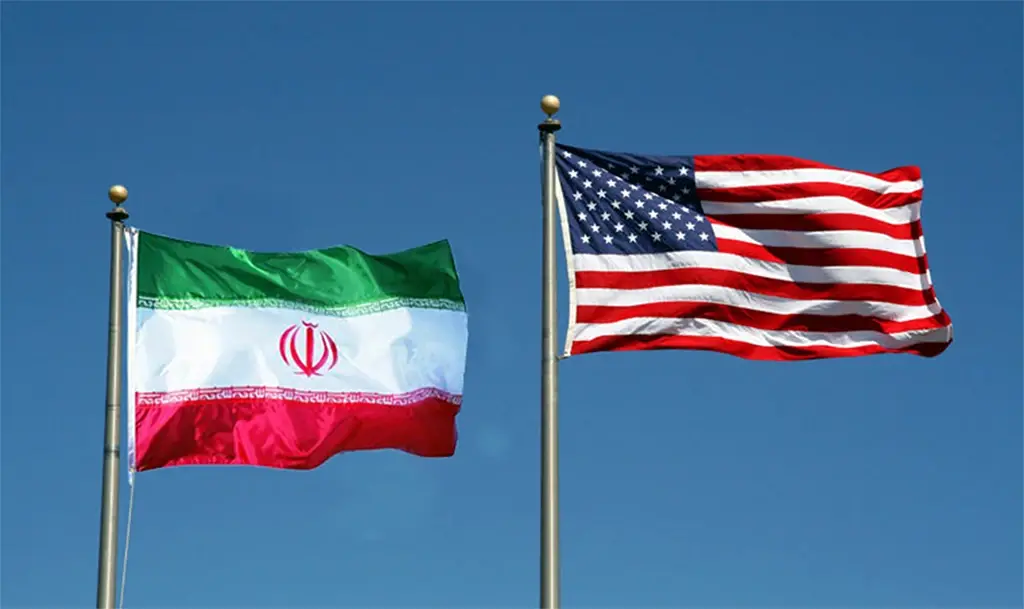
The United States and Iran have resumed indirect negotiations regarding Tehran’s nuclear ambitions in Geneva on Tuesday. This development comes as Iran conducts military drills that include partial closure of the Strait of Hormuz, a strategic maritime passage. Each nation has issued warnings about the repercussions if these diplomatic dialogues do not yield positive results. The discussions, facilitated by Oman, are taking place under strict security measures at the residence of the Omani ambassador to the United Nations. This round of talks represents the latest effort to alleviate escalating regional tensions between the nations.
US Military Presence Grows Alongside Iranian Drills
As the negotiations proceed, the United States has expanded its military footprint in the Middle East. Concurrently, Iran has been engaging in live-fire exercises within the Strait of Hormuz, a crucial conduit for global oil shipments, where approximately 20% of the world’s oil passes. Iranian Foreign Minister Abbas Araghchi, who heads Tehran’s delegation, emphasized his intent for the talks, stating his aim is to achieve a “fair and equitable deal,” while also asserting that Iran will not capitulate to external pressures or threats.
Missile Exercises Coincide with Diplomatic Talks
In a show of military capability, Iranian state media reported the successful launch of missiles from within Iran and its coastal areas directly targeting sites in the Strait of Hormuz. These missile drills were strategically timed to coincide with the ongoing discussions in Geneva. Iranian officials informed that sections of the waterway would temporarily be closed to ensure safety during these live-fire exercises.
Potential for Escalation as Talks Continue
The current negotiations are a continuation of previous discussions held in Oman, reflecting both nations’ apparent readiness for potential escalation. US officials have indicated that military options remain viable should the diplomatic efforts not succeed. President Donald Trump has previously expressed confidence that Iran seeks an agreement, asserting, “I think they want to make a deal. I don’t think they want the consequences of not making a deal.” These statements were made while aboard Air Force One, suggesting a high level of involvement from the US administration within the negotiation framework.
Iran’s Leadership Responds to US Strategies
In response to American rhetoric, Iran’s Supreme Leader, Ayatollah Ali Khamenei, remarked that the United States cannot enforce its will through threats. He noted the challenges posed even by the world’s most formidable military forces, warning that the consequences of miscalculating moves could be severe. Khamenei added that while military vessels are formidable, it is the advanced weaponry that can compromise their operational efficacy that poses a greater threat, cautioning against the expectation of predetermined outcomes from negotiations.