


Union Minister Pralhad Joshi Proposes Electric Stove As Solution During LPG Crisis
The CSR Journal Magazine

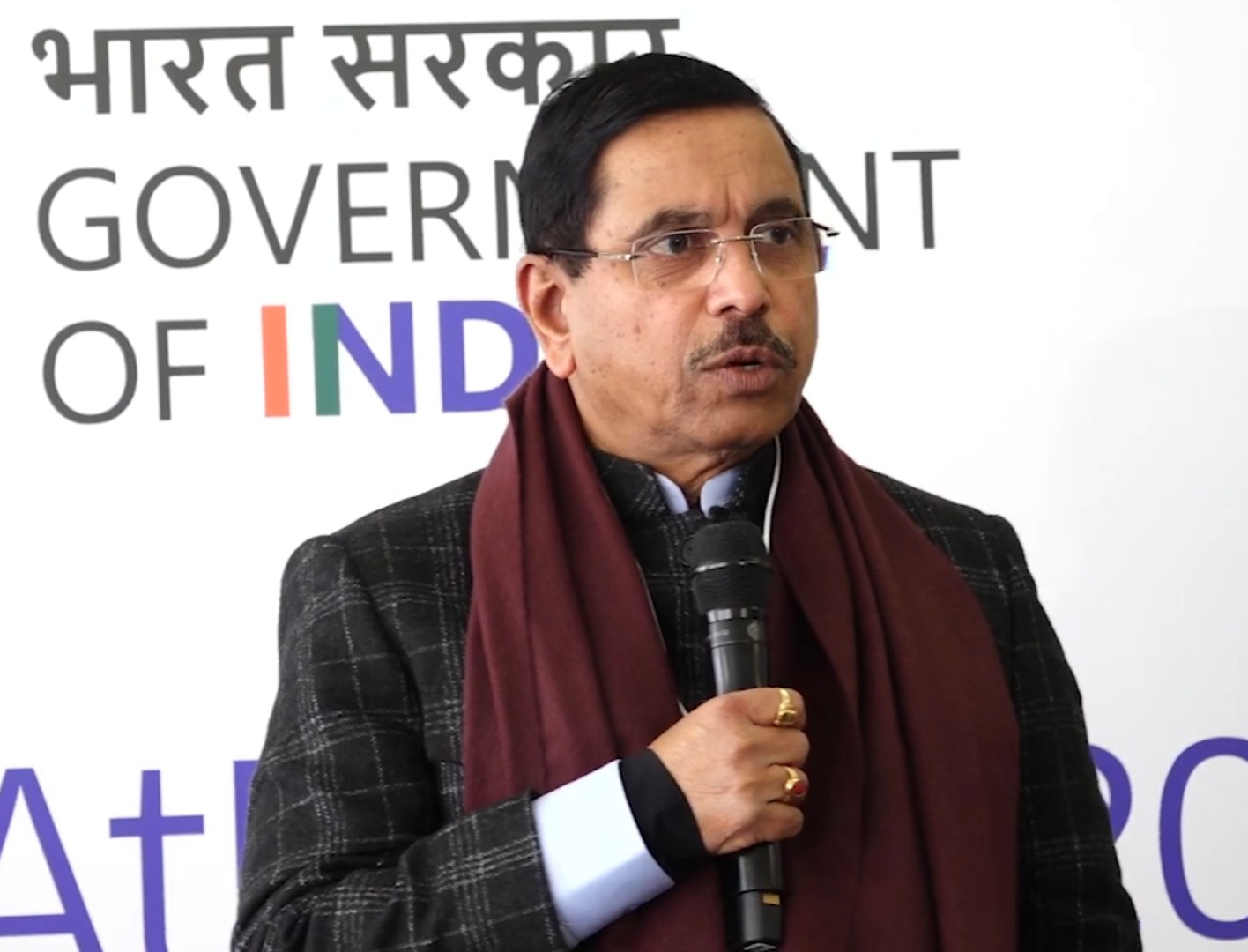
Union Minister Pralhad Joshi has proposed a transition to electric cooking technology as India faces ongoing challenges related to liquefied petroleum gas (LPG) supply. He described an innovative electric stove that mimics traditional LPG burners during a demonstration, labelling it a potential “game changer” for Indian cooking practices. This shift aligns with recent concerns over energy supply vulnerabilities in the nation.

Joshi shared his impressions on social media platform X, expressing enthusiasm for the demonstration of this imported stove, which generates flame-like burners using electricity. He urged Indian manufacturers to consider adopting and scaling this technology domestically to help reduce reliance on LPG, particularly at a time when global supply chains are under stress.

The Minister’s comments highlight a pivotal moment for Indian energy, as the country grapples with substantial import dependencies. India relies on imports for approximately 88 per cent of its crude oil, nearly half of its natural gas, and around 60 per cent of its LPG consumption. This creates significant exposure to external supply shocks, underscoring the importance of national self-sufficiency in energy production.

Current Energy Supply Challenges

India’s energy supply situation has been significantly impacted by geopolitical tensions in West Asia, particularly affecting the flow of oil and gas through the vital Strait of Hormuz. This corridor is crucial for Indian imports, with more than half of imported crude oil, about 40 per cent of natural gas, and up to 90 per cent of LPG transported through this route.

The ongoing conflict involving the US, Israel, and Iran has temporarily hindered operations in the strait, leading to supply disruptions. Consequently, India initially reduced LPG supply to commercial entities, including hotels and restaurants. However, following strategic sourcing adjustments, supplies have reportedly been restored to approximately 70 per cent of pre-crisis levels.

Shipping delays have also contributed to the issue, with a considerable number of Indian-flagged vessels stranded in the vicinity of the strait as hostilities erupted. Out of 28 such vessels, 16 remain on the western side, loaded with LNG, LPG, and crude oil, while efforts to navigate these complicated circumstances continue.

Ceasefire Offers Potential for Stabilisation

Recent developments indicate a potential easing of tensions after the United States and Iran agreed to a conditional ceasefire that could enhance navigational safety through the Strait of Hormuz. This agreement has been perceived as a positive turn, leading to a drop in crude oil prices and raising hopes for a more stable supply of energy resources.

In light of these developments, External Affairs Ministry spokesperson Randhir Jaiswal noted at a recent press briefing that India anticipates improved navigation in the strait, contingent upon the success of the ceasefire. This optimism suggests that the country’s energy supplies might soon attain a level of reliability, alleviating some of the current pressures.

As India explores avenues to enhance its energy independence, Joshi’s advocacy for electric cooking appliances could signal a wider commitment to innovation in energy technologies. The Minister’s push for domestic production might facilitate a shift towards sustainability while reducing reliance on imported fuels, presenting a long-term vision for Indian energy security.

Long or Short, get news the way you like. No ads. No redirections. Download Newspin and Stay Alert, The CSR Journal Mobile app, for fast, crisp, clean updates!

App Store –  https://apps.apple.com/in/app/newspin/id6746449540 

Google Play Store – https://play.google.com/store/apps/details?id=com.inventifweb.newspin&pcampaignid=web_share

Latest News

Popular Videos
