Understanding Why Hair Turns Grey

The CSR Journal Magazine

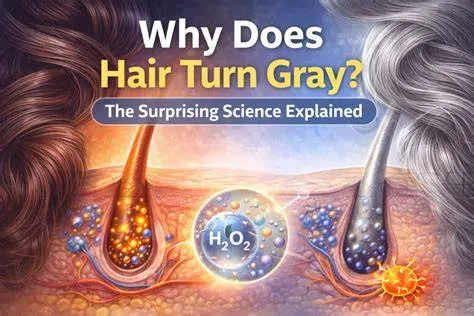
Hair turning grey is commonly perceived as a natural aspect of the ageing process, although many individuals are experiencing this change at a younger age. The pigmentation in hair, known as melanin, is responsible for its colour, similar to how it affects the skin and eyes. As people age, the melanocytes, which are the cells in hair follicles that produce melanin, begin to diminish in their function, leading to a reduction in pigment and resulting in grey or white hair.

Several factors, beyond the natural ageing process, can impact the activity of melanocytes. Conditions such as alopecia areata, certain medications including those used in cancer treatments, and congenital disorders like albinism can affect melanin production. Other factors that may contribute include vitiligo, vitamin deficiencies, and halo nevus, which is characterised by a lighter ring of skin surrounding a mole.

Research indicates that various external and internal factors can also influence hair pigmentation. The Cleveland Clinic highlights that understanding these factors is essential for addressing premature greying.

Factors Leading to Premature Greying

Dr Joyce Park, a dermatologist with training from Stanford and NYU, shared insights on social media regarding the reasons behind premature greying, particularly in individuals in their 20s and 30s. Genetics is identified as a significant contributor; if early greying runs in a family, it is likely that subsequent generations may experience the same. This hereditary aspect is often the most influential factor.

Oxidative stress is another critical element that can accelerate the greying process. Lifestyle choices, such as smoking, chronic stress, and exposure to environmental pollutants, can increase oxidative stress levels in the body, adversely affecting melanin production. Additionally, deficiencies in essential nutrients like vitamin B12, vitamin D, iron, copper, or zinc can further exacerbate the issue.

Medical conditions, including thyroid disorders and autoimmune diseases, have also been linked to premature greying. These health issues can disrupt normal bodily functions, including those related to hair pigmentation.

Strategies to Mitigate Premature Greying

Dr Anil KV Minz, a senior dermatologist at Genesis Skin and Hair Clinic in Faridabad, has provided practical advice on how to potentially slow down the onset of premature greying. One of the primary recommendations is to cease smoking, as both smoking and vaping contribute to oxidative stress, which can hinder melanin production.

A balanced diet rich in proteins is essential. Including foods such as fish, eggs, and dairy products can help increase vitamin B12 levels, while leafy greens like spinach and legumes such as chickpeas are beneficial for folate intake. These dietary adjustments can support overall hair health and potentially slow the greying process.

Furthermore, incorporating foods high in antioxidants, such as berries, nuts, and dark chocolate, may help protect hair follicles from damage caused by free radicals. Managing stress is also crucial; ensuring seven to nine hours of quality sleep each night can help mitigate stress levels, which is linked to accelerated ageing, including the greying of hair. Regular exercise or yoga may also contribute positively to stress reduction.

This article serves purely for informational purposes and should not replace professional medical advice. Individuals with concerns regarding their health should consult a qualified healthcare provider for guidance.

Long or Short, get news the way you like. No ads. No redirections. Download Newspin and Stay Alert, The CSR Journal Mobile app, for fast, crisp, clean updates!

App Store – https://apps.apple.com/in/app/newspin/id6746449540

Google Play Store – https://play.google.com/store/apps/details?id=com.inventifweb.newspin&pcampaignid=web_share

Latest News

Popular Videos