


Understanding the Impact of Cold Weather on Arthritis
The CSR Journal Magazine

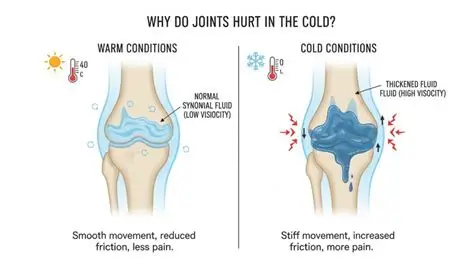
The relationship between winter weather and arthritis pain is significant, as colder temperatures can exacerbate joint discomfort. Individuals suffering from arthritis often report increased stiffness, pain, and difficulty in mobility during the winter months. Simple tasks such as getting out of bed, climbing stairs, or even holding objects can become more challenging. Dr Ashok Raju Gottemukkala, clinical director and senior consultant of orthopaedics at CARE Hospitals in Hyderabad, has provided insights into why these changes occur.

Physiological Responses to Cold Temperatures

One primary factor contributing to heightened discomfort in winter is the body’s physiological response to cold. Dr Gottemukkala explains that as temperatures drop, blood vessels constrict to conserve heat. This narrowing can lead to decreased blood flow to extremities such as hands and feet, resulting in tighter and less flexible muscles. Consequently, individuals with arthritis may experience increased stiffness, particularly in the morning or after prolonged periods of inactivity.

In addition to blood flow changes, the doctor notes that atmospheric pressure variations can also play a role in joint pain. He states, “Some people with arthritis report increased pain when the weather changes.” Fluctuations in air pressure may impact the tissues surrounding sensitive joints, making existing discomfort more pronounced. However, the precise connection between weather changes and joint pain remains an area of ongoing research.

Reduced physical activity during the winter months is another significant contributor to increased joint stiffness. Many individuals prefer to stay indoors due to the cold, leading to a decrease in walking or exercising. Dr Gottemukkala emphasises that prolonged inactivity can weaken the muscles that support the joints, complicating movement. Regular physical activity is essential for maintaining flexibility and promoting joint health. He points out that individuals with rheumatoid arthritis, an autoimmune condition characterised by joint inflammation, may also experience variations in their symptoms during the winter season.

Managing Winter-Related Joint Pain

While winter can bring about discomfort for those with arthritis, Dr Gottemukkala recommends several strategies to alleviate joint pain. Keeping the body warm is crucial; wearing comfortable clothing and taking warm baths can help reduce stiffness. He also suggests engaging in gentle exercises such as walking, stretching, and yoga, which can enhance flexibility and maintain muscle strength. Additionally, applying a warm compress before starting daily activities may facilitate easier movement.

It is vital not to overlook persistent or worsening joint pain, according to the physician. If stiffness, swelling, or discomfort begins to interfere with daily activities, he advises consulting an orthopaedic specialist for a thorough evaluation. Relying solely on painkillers or home remedies may not be sufficient for managing these symptoms effectively.

In summary, the interplay between cold weather, reduced mobility, and joint pain is a critical consideration for individuals with arthritis. Understanding these factors can aid in better management of symptoms during the winter months, allowing for a more comfortable experience. It is always recommended to seek professional medical advice for any concerns regarding arthritis or related conditions.

Long or Short, get news the way you like. No ads. No redirections. Download Newspin and Stay Alert, The CSR Journal Mobile app, for fast, crisp, clean updates!

App Store – https://apps.apple.com/in/app/newspin/id6746449540

Google Play Store – https://play.google.com/store/apps/details?id=com.inventifweb.newspin&pcampaignid=web_share

Latest News

Popular Videos
