


app-store-logo
play-store-logo
March 10, 2026

Understanding White Phosphorus: A Chemical Weapon with Severe Implications
The CSR Journal Magazine

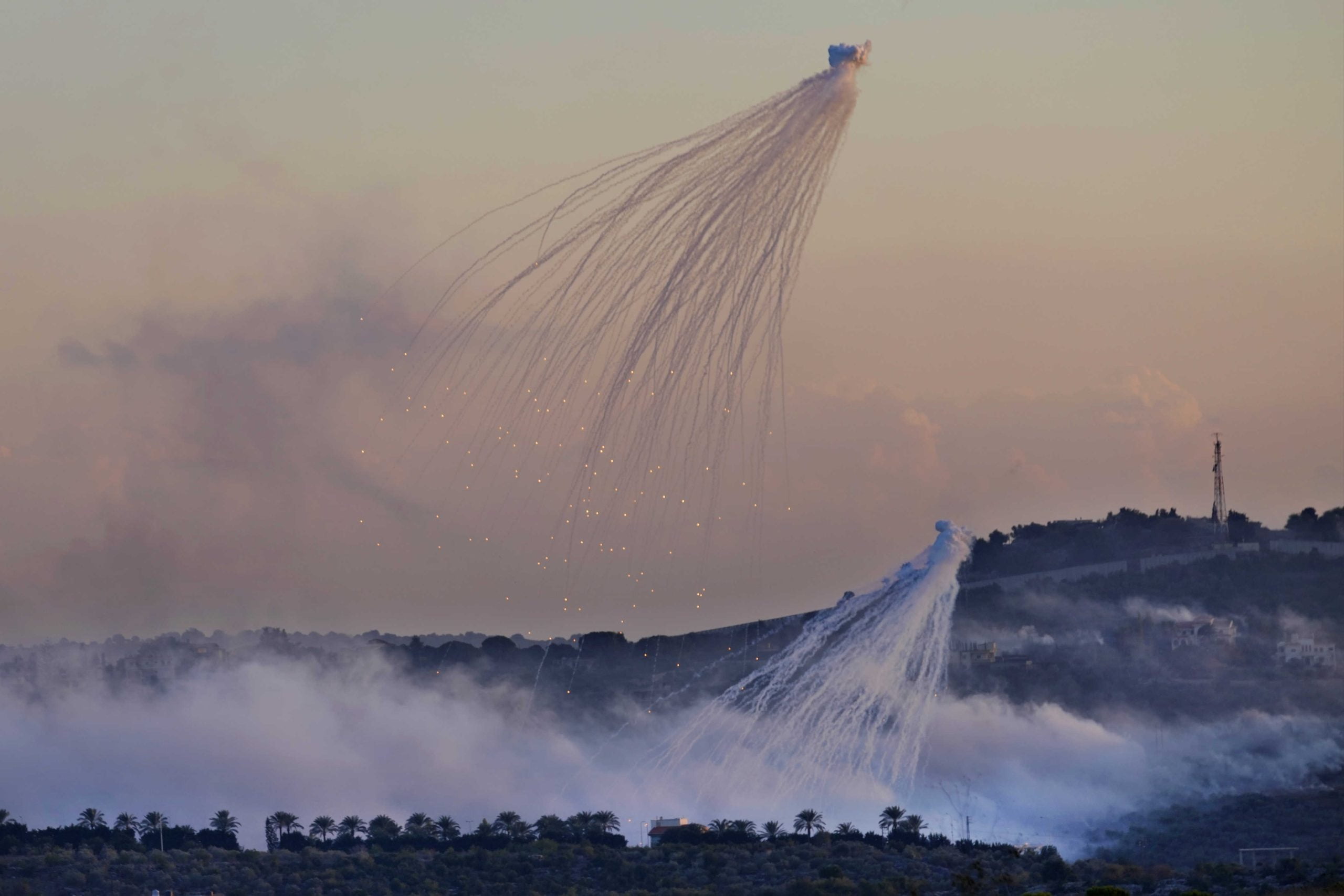
White phosphorus is a chemical compound that is recognizable by its waxy, pale yellow or white appearance and distinct garlic-like smell. Its unique characteristic lies in its reactivity when exposed to oxygen, igniting rapidly at temperatures over approximately 30°C. This ignition leads to the creation of thick smoke and intense heat. Military forces have utilized white phosphorus for its ability to obscure visibility on the battlefield, mark targets, and illuminate areas during night operations. These applications are generally permissible under international law, as the substance is often disseminated through artillery shells that release burning particles over various locations. However, the contentious nature of these shells arises from the potential harm they can cause.

The Dangers of White Phosphorus

White phosphorus poses significant risks to human health. Contact with skin can lead to severe chemical burns that extend deep into tissues. Medical professionals note that remnants of the chemical may continue to harm flesh until the substance is completely consumed or deprived of oxygen. Cases have been documented where fragments can burn through muscle and reach bone, making injuries not only agonizing but also challenging to treat. Medical personnel must extricate any residual phosphorus fragments with caution, as they are capable of reigniting when exposed to air during medical procedures. Additionally, the smoke generated by burning phosphorus can irritate the eyes, lungs, and skin. In severe instances, the chemical may be absorbed through inhalation or open wounds, leading to potential organ damage and, in critical cases, fatality.

Legal Status of White Phosphorus in Warfare

The legality of white phosphorus in military applications is often misinterpreted. While the chemical itself is not outlawed, many nations maintain arsenals of white phosphorus munitions for purposes such as smoke generation and signaling. International humanitarian law focuses on the application of the weapon rather than the chemical composition itself. It is prohibited to employ weapons that would indiscriminately harm civilians. Reports indicate that when white phosphorus is used in densely populated regions—particularly through airburst munitions that scatter burning particles widely—legal experts express concerns over its compliance with wartime conduct. Human rights organizations contend that such deployment can lead to uncontrollable fires and civilian injuries, potentially constituting violations of international law.

Human Rights Watch and Claims of White Phosphorus Use in Lebanon

Human Rights Watch has recently highlighted allegations regarding the use of white phosphorus by Israeli forces in southern Lebanon, particularly in the town of Yohmor. The organization states that it has analyzed images that suggest the presence of white phosphorus artillery bursts in the region. The smoke patterns observed in the footage reportedly align with those typical of airburst phosphorus shells. Following these alleged incidents, local civil defense teams responded to fires affecting residences and vehicles in the vicinity. The Israeli military has yet to verify these claims, stating it has not examined the specific evidence presented. Officials mentioned that their smoke shells may contain minor amounts of white phosphorus intended to create smoke screens, rather than to ignite fires. The Israeli Defence Forces clarified that these shells are generally not utilized in densely populated areas.

Long or Short, get news the way you like. No ads. No redirections. Download Newspin and Stay Alert, The CSR Journal Mobile app, for fast, crisp, clean updates!

App Store –  https://apps.apple.com/in/app/newspin/id6746449540 

Google Play Store – https://play.google.com/store/apps/details?id=com.inventifweb.newspin&pcampaignid=web_share

Latest News

Popular Videos
