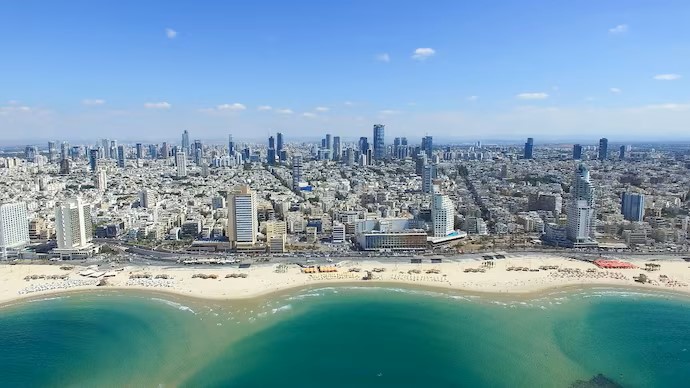
Understanding Tel Aviv: The White City

The CSR Journal Magazine

Tel Aviv, a prominent city in Israel, is often referred to as the ‘White City.’ This designation reflects not only the architectural color scheme but also the historical influences that have shaped its urban landscape. The foundation of this name lies in the contribution of Jewish architects who emigrated from Europe during the 1930s, fleeing political turmoil. These architects, primarily from Germany, were well-versed in modern architectural styles, particularly the Bauhaus movement, which emphasizes functional and minimalist design.

The Characteristics of the White City

The ‘White City’ encompasses a central area in Tel Aviv featuring over 4,000 buildings designed in the Bauhaus or International Style, with most constructions taking place between the 1930s and 1950s. Recognized for its unique designs and planning, this area was designated as a UNESCO World Heritage Site in 2003, making it the largest collection of Bauhaus architecture worldwide. Its significance extends beyond Israel, holding importance in the context of global architectural heritage.

Origins of the Bauhaus Style in Israel

The Bauhaus style originated in Germany but faced challenges during the rise of the Nazi regime, prompting many Jewish architects to seek refuge elsewhere. Among the destinations was Tel Aviv, then a city in the midst of development. These architects introduced their innovative design philosophies, leading to the construction of residential, commercial, and public infrastructure in the city. Although the style derived from European principles, adaptations were made to accommodate local conditions and cultural needs, resulting in a distinctive blend of international design and local adaptation.

Practical Aspects of the White Buildings

The predominantly white exterior of the buildings serves a practical purpose. Lighter colors reflect sunlight, aiding in temperature regulation, which is crucial given Tel Aviv’s warm climate. Architects designed structures with balconies, narrow windows, and open areas to promote airflow. Additionally, flat rooftops were utilized as communal spaces for relaxation, particularly in the evenings. This thoughtful architectural approach underscores a design philosophy that prioritized not only modern aesthetics but also functionality suited to the local environment.

Contemporary Significance of the White City

The White City remains an integral part of Tel Aviv, where residents and businesses continue to operate within these historic structures. Many buildings have undergone restoration to preserve their original architectural elements. The area’s recognition by UNESCO highlights how modern architecture can harmonize with local culture and climatic challenges, featuring organized streets and ample public spaces. Today, this urban district attracts a diverse array of visitors, including tourists, architecture students, and professionals, all eager to explore this unique facet of Israeli culture.

Tel Aviv: The City That Never Sleeps

In addition to being known as the White City, Tel Aviv is often described as the ‘Nonstop City,’ signifying its vibrant and active nature. This designation encapsulates the city’s reputation for a lively atmosphere filled with beach activities, cafes, cultural events, nightlife, and a bustling business scene that continue long after nightfall. The blend of historical significance embodied in the White City and the dynamic modern life exemplifies the multifaceted character of Tel Aviv.

Long or Short, get news the way you like. No ads. No redirections. Download Newspin and Stay Alert, The CSR Journal Mobile app, for fast, crisp, clean updates!

App Store –  https://apps.apple.com/in/app/newspin/id6746449540 

Google Play Store – https://play.google.com/store/apps/details?id=com.inventifweb.newspin&pcampaignid=web_share

Latest News

Popular Videos