


app-store-logo
play-store-logo
February 19, 2026

Understanding Sleep Terrors in Children: Causes and Parental Responses
The CSR Journal Magazine

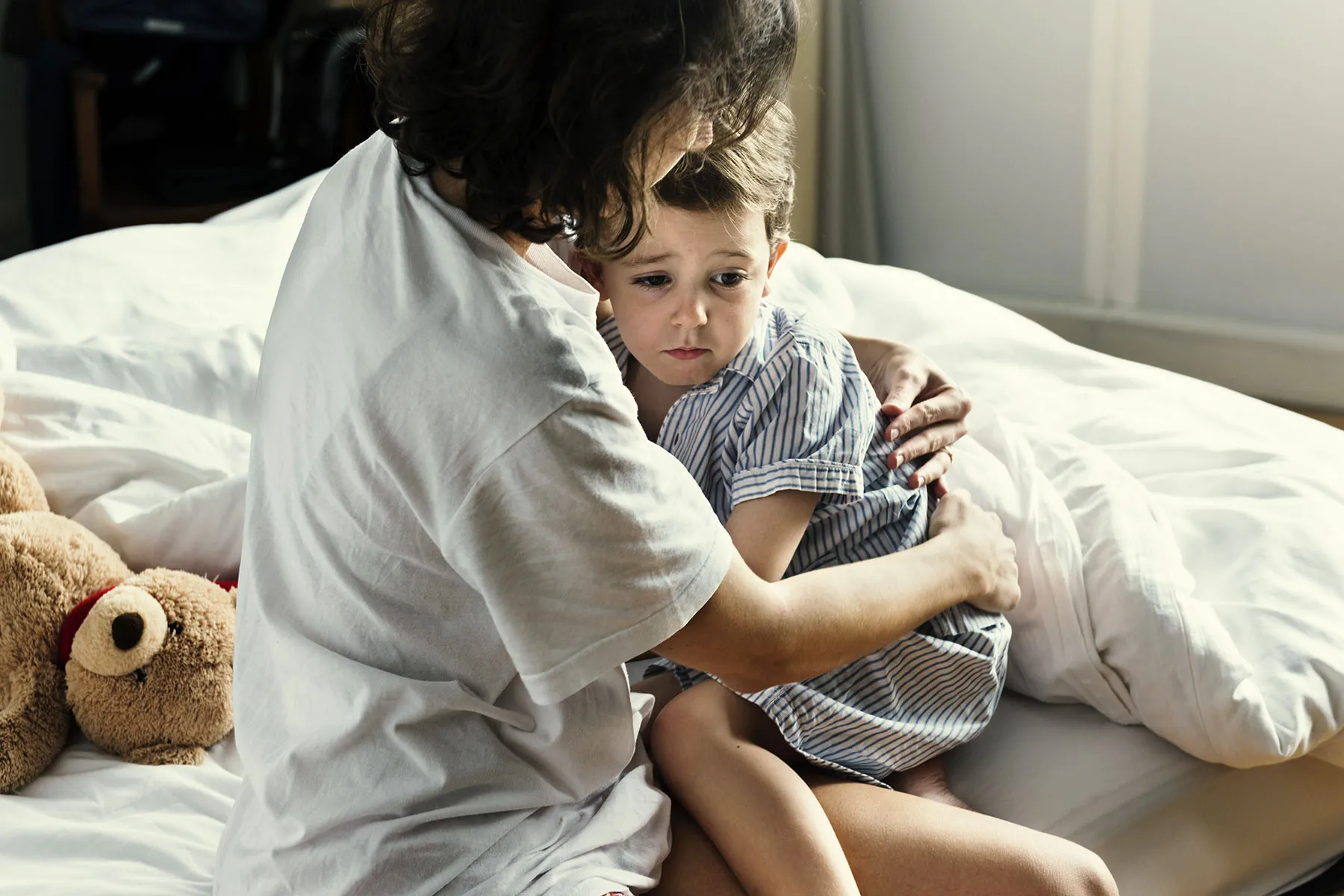
Sleep terrors, or night terrors, are episodes during which a child appears to be in distress while remaining mostly unresponsive. These occurrences typically unfold during deep non-REM sleep, specifically in Stage N3. While they can be alarming for parents, especially when a child suddenly sits up and screams without seeming aware of their surroundings, sleep terrors are generally harmless. They primarily affect children aged three to twelve years and most children grow out of these episodes as they mature.

Identifying Sleep Terrors

Recognizing the signs of sleep terrors can help parents respond effectively. During an episode, a child might abruptly sit up or scream, exhibit physical symptoms such as rapid heartbeat, sweating, and dilated pupils. Unlike nightmares, children experiencing sleep terrors show no recognition of their parents’ presence or any awareness of soothing attempts. They also tend to have no memory of the event the following morning. Typically, these episodes last only a few minutes and occur during the first half of the night.

Effective Parental Responses

Experts recommend that parents should avoid waking a child experiencing a sleep terror, as doing so could lead to increased agitation. Instead, the focus should be on remaining calm and ensuring the child’s safety. If the child wanders during an episode, gently guiding them back to bed can help, especially by removing any objects in the vicinity that may pose a risk of injury. Establishing a consistent bedtime routine can also be beneficial, as overtiredness is often a primary trigger for sleep terrors.

Scheduled Awakening Technique

If a child frequently experiences sleep terrors at the same time each night, a technique known as scheduled awakening may be effective. This method involves waking the child 15 to 30 minutes before the usual onset of the episode over several consecutive nights. This strategy can help reset the child’s sleep cycle, reducing the frequency of the sleep terrors. It is especially effective when coupled with healthy sleep practices and is typically considered a temporary solution.

When to Seek Medical Advice

While sleep terrors are ordinarily benign and self-resolving, there are circumstances where professional guidance may be necessary. These include instances where episodes become frequent or violent, or if the child experiences additional sleep disturbances such as sleepwalking or insomnia. If daytime functioning appears to be affected, a consultation with a pediatric sleep specialist is advisable. Being informed about sleep terrors can help parents manage these occurrences calmly and reduce anxiety associated with nighttime episodes.

Conclusion

In most cases, children eventually outgrow sleep terrors, leading to only memories of the frightening incidents. Awareness and preparation are key for parents in navigating these episodes effectively, ensuring a safer environment for their children during sleep. Establishing a thorough understanding of sleep terrors can ease fears for families dealing with this common sleep phenomenon.

Long or Short, get news the way you like. No ads. No redirections. Download Newspin and Stay Alert, The CSR Journal Mobile app, for fast, crisp, clean updates!

Latest News

Popular Videos
