


app-store-logo
play-store-logo
March 17, 2026

Understanding Imposter Syndrome through a Humorous Duck Story
The CSR Journal Magazine

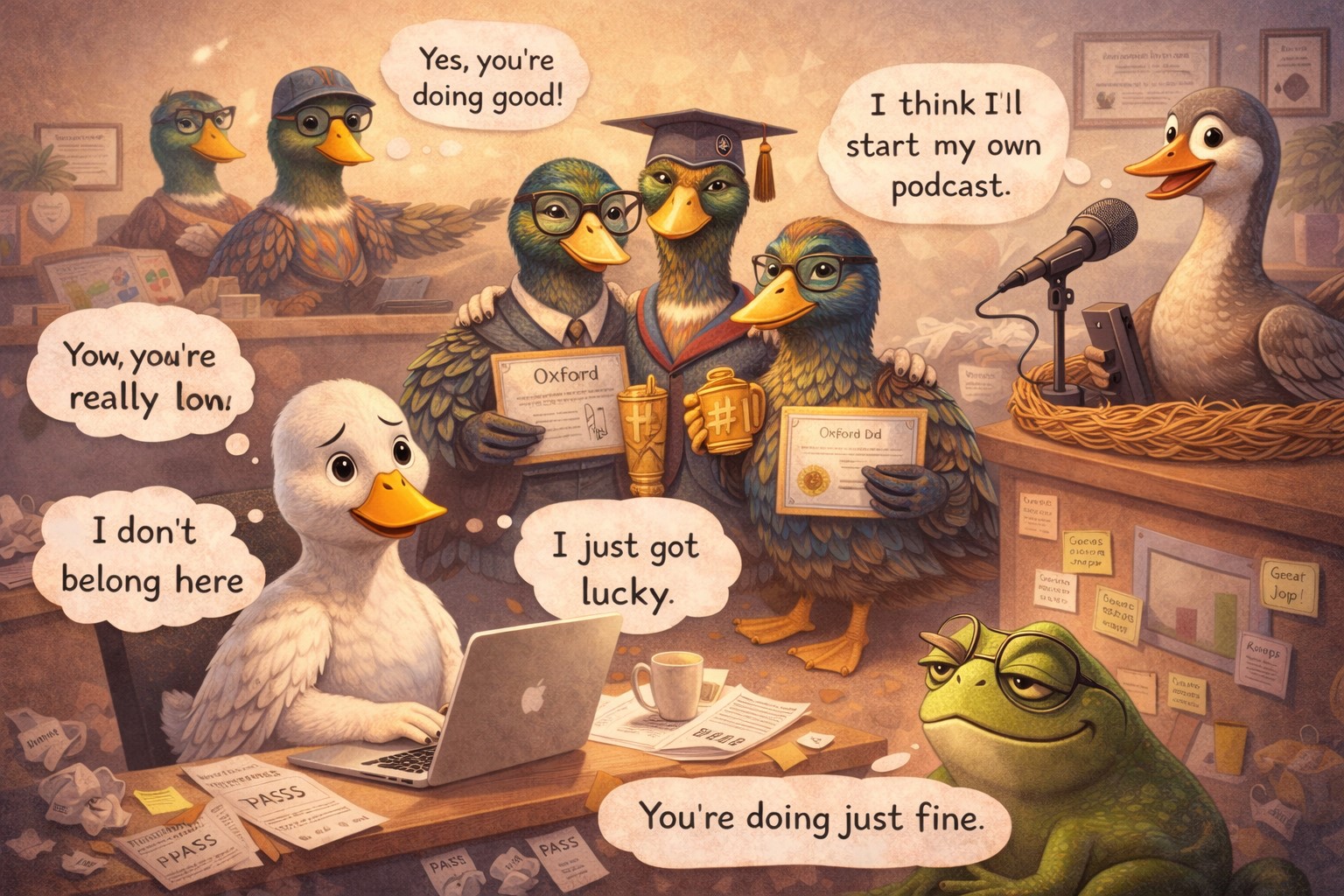
A recent viral video uses a humorous analogy involving ducks to illustrate the concept of imposter syndrome, making it relatable for many viewers. In the short clip, a duck enters a workplace dominated by high-achieving “genius ducks” that possess more impressive feathers and qualifications. Despite successfully passing all assessments, the duck grapples with feelings of inadequacy, constantly questioning its place among these high-performing peers. Each accomplishment is perceived as mere luck, while compliments are brushed aside with skepticism. The duck frequently seeks reassurance from colleagues, asking if its work meets expectations, yet its skills go unrecognized as it genuinely excels in its role.

Defining Imposter Syndrome

Imposter syndrome refers to a psychological pattern where individuals, even when successful, struggle to accept their competencies. These individuals often feel they have deceived others into thinking they are more capable than they truly believe themselves to be. It is essential to understand that this phenomenon is less about inadequate skills and more about a profound lack of self-belief even in the face of achievements.

Manifestations in the Workplace

This psychological pattern manifests in subtle yet impactful ways within professional settings. Individuals may find themselves over-preparing for tasks that do not necessitate such diligence or becoming overly focused on perfecting trivial details. Praise from colleagues can evoke discomfort, while negative feedback tends to resonate more significantly, leading to greater self-doubt. People may hesitate to voice their contributions in meetings, convinced that others have more valuable insights. After a significant accomplishment, there may still linger a thought of randomness or luck rather than a recognition of personal merit.

The Duck and the Goose: A Perfect Illustration

The aforementioned video effectively encapsulates these feelings. While the anxious duck wrestles with self-doubt, a confident “goose” in the adjacent nest achieves promotion and even ventures into new projects, such as starting a podcast, despite possessing less experience. This scenario highlights the common misconception that confidence equates to competency, regardless of actual knowledge or skill.

Roots of Imposter Syndrome

Imposter syndrome often stems from self-perception shaped by various factors. Growing up in environments with high expectations, facing relentless comparisons, or stepping into roles where one feels underqualified can lead to this mindset. This is particularly prevalent during significant life changes such as starting new jobs, receiving promotions, or undergoing career transitions. Essentially, imposter syndrome tends to arise when individuals push themselves beyond their comfort zones. As depicted by a ‘wise frog’ in the video, this syndrome often represents a genuine desire to perform well rather than an actual deficit in capabilities.

Strategies to Overcome Imposter Syndrome

To address imposter syndrome, the first step is to recognize its patterns and understand that self-doubt may not reflect the truth. Acknowledging personal achievements is vital; rather than dismissing compliments, it is crucial to accept them graciously. Taking time to appreciate contributions and successes is beneficial. Engaging in discussions about these feelings is also important, as many who appear confident have grappled with similar emotions at some stage in their lives. Letting go of the perfectionist mindset is essential; not every task needs to be impeccable, as overchecking and obsessing only intensify feelings of uncertainty. Ultimately, focusing on progress, even amidst self-doubt, is crucial. Like the duck in the video, one does not need unwavering confidence to succeed; sometimes, persistence is key, confirming that one may belong more than initially presumed.

Long or Short, get news the way you like. No ads. No redirections. Download Newspin and Stay Alert, The CSR Journal Mobile app, for fast, crisp, clean updates!

App Store –  https://apps.apple.com/in/app/newspin/id6746449540 

Google Play Store – https://play.google.com/store/apps/details?id=com.inventifweb.newspin&pcampaignid=web_share

Latest News

Popular Videos
