


Understanding the Global Significance of Gulf Economies and Impact of Regional Conflicts on Gulf States

The CSR Journal Magazine

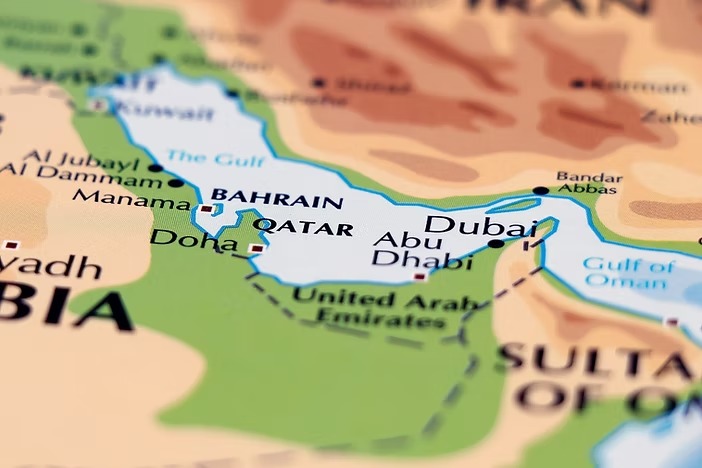
The ongoing conflict involving the US and Israel against Iran is significantly affecting Gulf Arab nations, with implications extending far beyond regional borders. This conflict threatens not only the stability of the Middle East but also poses risks to the intricately connected global economy, particularly in sectors reliant on Gulf oil and gas supplies. The Gulf region is a vital player in energy markets, and any disruption can have a cascading effect on energy prices and availability worldwide.

Strategic Role of Gulf Economies

The Gulf states are crucial for many economies, primarily due to their vast oil and gas reserves. Nations such as Saudi Arabia, the UAE, and Qatar are among the largest exporters of oil and natural gas, which are essential for energy needs across continents. The economic activities in these countries, supported by substantial sovereign wealth funds, also influence international markets, making them significant players in economic stability worldwide.

Energy Supply Risks

With the world increasingly dependent on energy imports, any geopolitical tension in the Gulf region can lead to immediate concerns over supply chains. Fluctuations in oil prices following disturbances can impact inflation and economic growth globally. Analysts have noted that disruptions in Gulf energy supplies could reverberate throughout various markets, affecting everything from transportation costs to consumer goods prices.

Interconnected Global Economies

The global economy is highly intertwined, with Gulf states being integral to supply chains that stretch across multiple sectors beyond energy. Their investment strategies and economic policies influence industries such as technology, construction, and finance globally. As Gulf economies navigate the current geopolitical challenges, they play a pivotal role in maintaining economic equilibrium in various regions worldwide.

Influence of International Relations

The dynamics between Gulf states and superpowers, particularly the US, further complicate the situation. Each governmental decision is scrutinized for its potential impact on international relations, trade agreements, and collaborative efforts in combating global issues. Thus, the health of Gulf economies is not merely a regional concern but a significant factor influencing global diplomacy and economic partnerships.

Expert Insights on Energy Security

Experts highlight the importance of energy security in discussions about the Gulf economies. Nikolay Kozjharnov, a research associate professor specializing in energy security, emphasizes that instability in the Gulf could lead to severe repercussions for energy-dependent nations. Furthermore, the insights from analysts like Torbjorn Soltvedt from the global risk intelligence sector provide a crucial perspective on mitigating risks associated with potential energy supply disruptions.

Future Outlook for Gulf Economies

As geopolitical tensions continue to evolve, the future of Gulf economies remains uncertain. These nations are under pressure to diversify their economies and reduce dependence on oil revenues, prompting discussions about sustainable development and investment in renewable energy sources. The adaptability of Gulf economies in response to both regional challenges and global demand will be essential in determining their ongoing significance on the world stage.

Long or Short, get news the way you like. No ads. No redirections. Download Newspin and Stay Alert, The CSR Journal Mobile app, for fast, crisp, clean updates!

App Store –  https://apps.apple.com/in/app/newspin/id6746449540 

Google Play Store – https://play.google.com/store/apps/details?id=com.inventifweb.newspin&pcampaignid=web_share

Latest News

Popular Videos