


app-store-logo
play-store-logo
February 21, 2026

UN Issues Alert on Global ‘Water Bankruptcy’ Threatening Billions
The CSR Journal Magazine

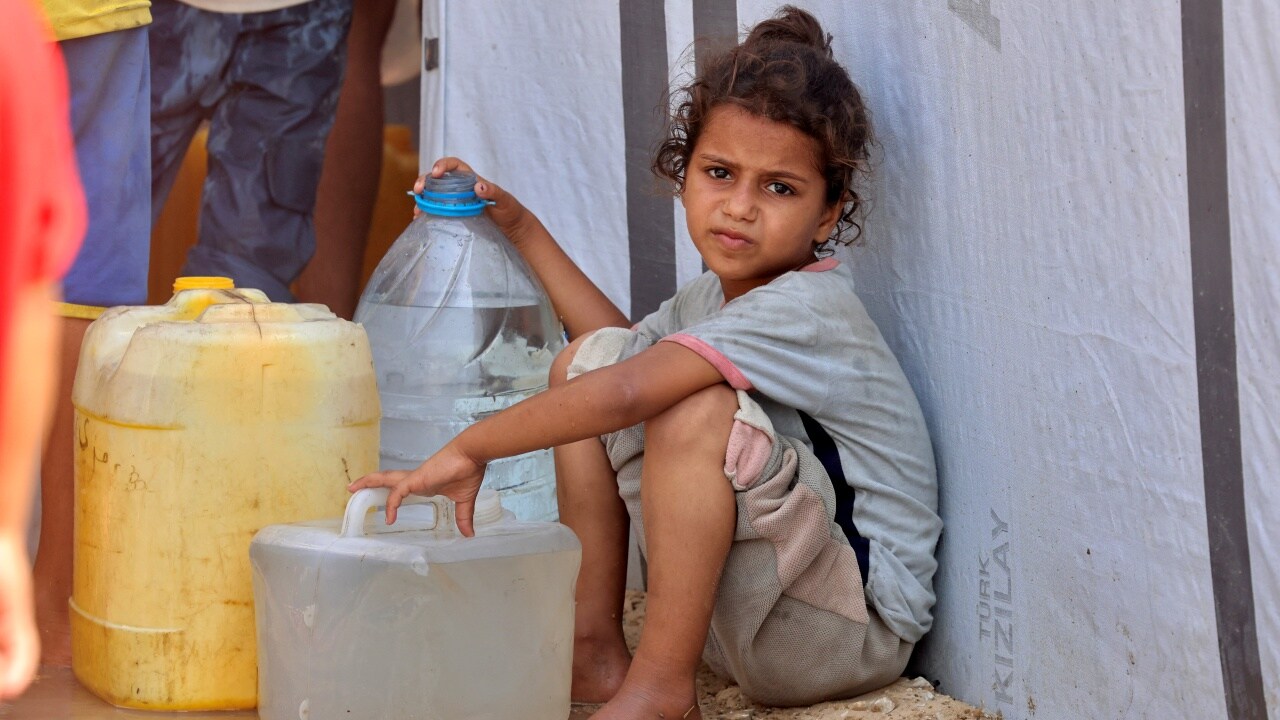
A recent United Nations report indicates that the world is facing an unprecedented crisis referred to as “water bankruptcy.” Many regions are experiencing a mismatch between water supply and demand, with both rivers and rainfall insufficient to meet needs. Countries are increasingly reliant on groundwater, sources that have taken centuries or longer to accumulate. Once these reserves are exhausted, their replenishment may be impossible. Estimates suggest that approximately three-quarters of people inhabit nations grappling with issues related to water shortages, contamination, or drought. Each year, around four billion individuals endure water scarcity for at least one month, highlighting an alarming trend. Furthermore, nearly 70% of major aquifers show signs of decline, raising concerns about irreversible losses. Kaveh Madani, Director of the UN University Institute for Water, Environment and Health, emphasized that the established norms regarding water availability are rapidly disappearing.

Understanding the Situation

Madani elucidates the concept of ‘water bankruptcy’ through an analogy related to personal finance. He explains that the planet’s ‘checking account,’ which consists of surface water bodies like rivers, lakes, and seasonal runoff, is nearly depleted. Concurrently, the ‘savings’ that humanity has inherited, comprising groundwater, glaciers, and other long-term reserves, are being exhausted at an alarming rate. He warns that depending solely on groundwater as a temporary solution is perilous. Just as an individual cannot indefinitely rely on savings to cover monthly expenses, the same applies to global water use. The escalating crises reflect the classic signs of an impending bankruptcy.

Factors Contributing to Water Shortages

The report identifies two primary factors exacerbating water shortages worldwide. The first is the expansion of urban areas and agricultural activities into regions with limited water resources. The second factor is climate change, which exacerbates dryness in already arid areas, increases evaporation rates, and leads to unpredictable precipitation patterns. The ramifications of these issues are becoming increasingly visible in urban centers and agricultural land. Madani advocates for rigorous water monitoring as a foundational step toward effective management. He stresses the need for the installation of meters across various water sources, stating that accurate tracking is crucial for effective management. Innovative solutions like cloud seeding may be rendered futile if countries lack a clear understanding of their water resources.

Impact of Water Scarcity on Societal Stability

Water shortages extend beyond mere access to resources; they have far-reaching implications for social stability. Water scarcities can instigate migration, tensions, and civil unrest. Iran serves as a pertinent example, having endured its driest autumn in five decades. The depletion of Lake Urmia, once the largest lake in the Middle East, due to agricultural demands, has significantly impacted the nation’s groundwater resources. These shortages have played a role in triggering civil unrest, showcasing how swiftly water-related issues can destabilize entire societies. In the Western United States, the Colorado River has experienced a decline in flow by approximately 20% over the past twenty years, with urban centers like Los Angeles and vast agricultural areas largely dependent on it. Current reservoir levels stand at around 30% capacity.

Challenges in Agricultural Water Use

While enhancing irrigation efficiency is often cited as a potential remedy, it is insufficient without comprehensive reductions in total water use. Agriculture consumes the majority of global freshwater, making it imperative to curtail usage, even though this poses challenges, especially in developing countries. The livelihoods of millions hinge on agricultural practices, complicating efforts to reduce water consumption. Additionally, contamination from industrial waste, sewage, fertilizers, and animal manure poses significant risks to water quality. The loss of wetlands, an area equivalent to the size of the European Union, has resulted in substantial economic and environmental costs, including diminished flood protection and reduced carbon storage capabilities.

Long or Short, get news the way you like. No ads. No redirections. Download Newspin and Stay Alert, The CSR Journal Mobile app, for fast, crisp, clean updates!

App Store –  https://apps.apple.com/in/app/newspin/id6746449540 

Google Play Store – https://play.google.com/store/apps/details?id=com.inventifweb.newspin&pcampaignid=web_share

Latest News

Popular Videos
