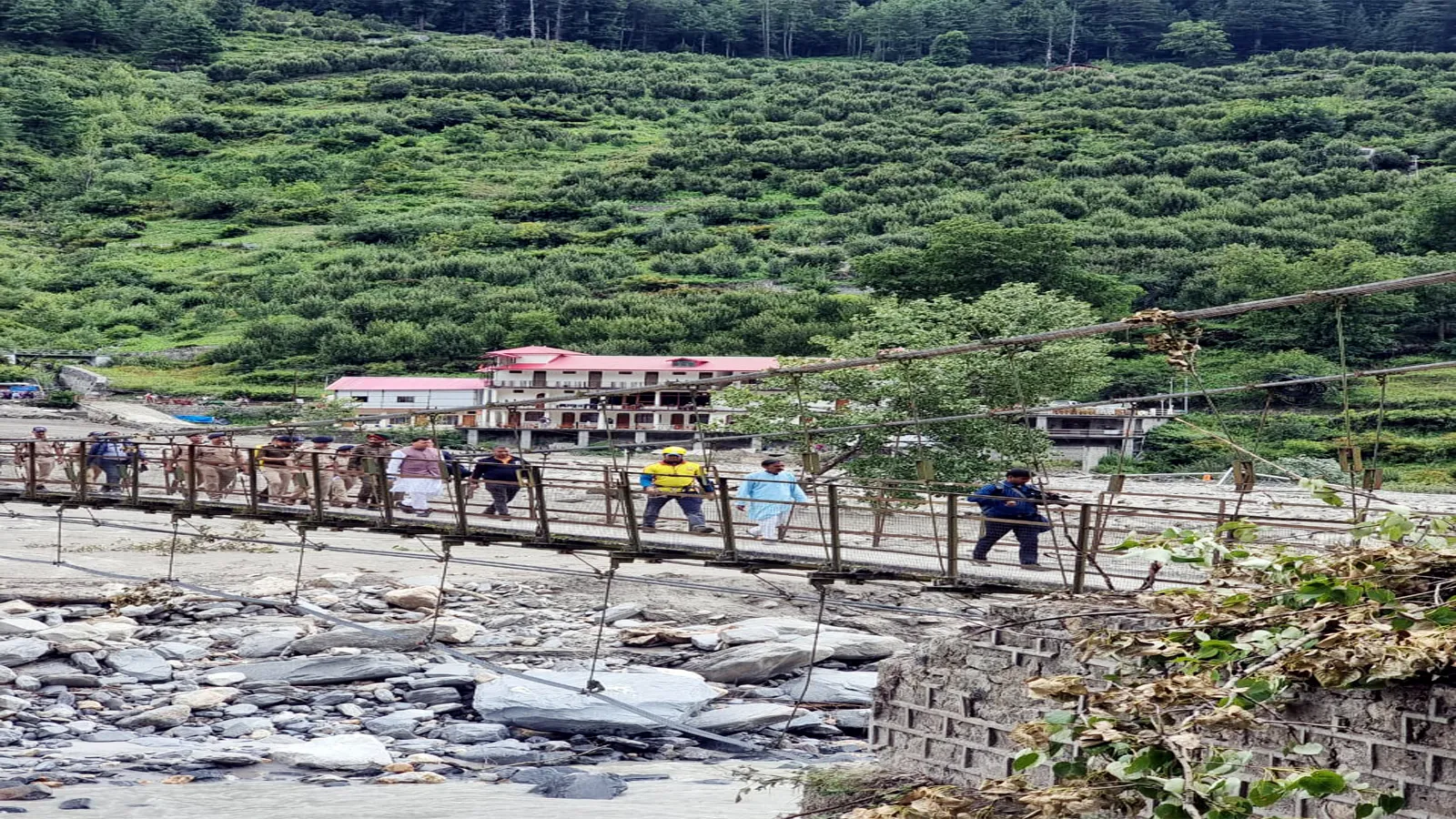
Himalayan satellites are increasingly used to document changes in the mountainous landscape, revealing both revitalized ecosystems and signs of distress. A two-decade analysis of vegetation in Uttarakhand has highlighted the region’s responsiveness to climate factors, while also indicating a significant decline in green cover over time. These changes are critical as mountain regions typically react more swiftly to variations in temperature and precipitation compared to other areas.
As global temperatures rise and precipitation patterns alter, the impacts on plant growth, soil moisture, and snow cover are becoming evident. Experts emphasize the need for ongoing monitoring to equip governments with information necessary for preparing for natural disasters such as floods and droughts, as well as for addressing biodiversity losses.
Research Collaboration Utilizes Satellite Technology for Environmental Assessment
To evaluate these environmental shifts, researchers from the Aryabhatta Research Institute of Observational Sciences (ARIES) in Nainital collaborated with various Indian and international partners. They employed Google Earth Engine (GEE), a platform adept at processing vast amounts of satellite data, which facilitated the analysis of land degradation, urban expansion, dust movement, and temperature dynamics.
The research team analyzed satellite data spanning from 2001 to 2022, utilizing the Normalised Difference Vegetation Index (NDVI) as a key metric. NDVI serves to assess plant health by measuring light reflection from the vegetation, with lower values indicating barren land or snow, and higher values indicating dense forests and croplands. Additionally, the study incorporated the Enhanced Vegetation Index (EVI), effective in regions dense with biomass.
Findings Indicate Seasonal Patterns with an Underlying Decline
The findings, led by Umesh Dumka and published in the journal “Environmental Monitoring and Assessment,” reveal distinct seasonal cycles in greenery. NDVI and EVI values typically peak post-monsoon when the hills become verdant, subsequently declining before the rainy season. Despite following an expected seasonal trend, the long-term analysis shows a gradual reduction in green cover.
This downturn is linked to various factors including deforestation, agricultural expansion, illegal logging, and increased pollution stemming from urban and industrial activities. Notably, the effects of pollution are uneven across the landscape, with certain regions facing severe degradation. These conditions not only threaten wildlife habitats but also disrupt river systems, affecting the livelihoods of countless individuals relying on mountain resources downstream.
Advanced Analytical Techniques Highlight Vulnerabilities in Vegetation
Using time-series mapping generated by GEE, the researchers correlated vegetation trends with climate data to identify areas most affected by the decline in greenery. This advanced approach provided insight into specific districts where ecological deterioration has been most pronounced.
The authors of the study propose that satellite technology can function as a vital early-warning system. By accurately identifying susceptible areas, local authorities can implement measures such as afforestation, regulate construction, and manage emissions, aiming to prevent irreversible ecological losses. According to the researchers, the Himalayan region is conveying critical signals through the data collected, indicating the urgent need for proactive measures to enhance its resilience in the coming decades.